


What's Happening?
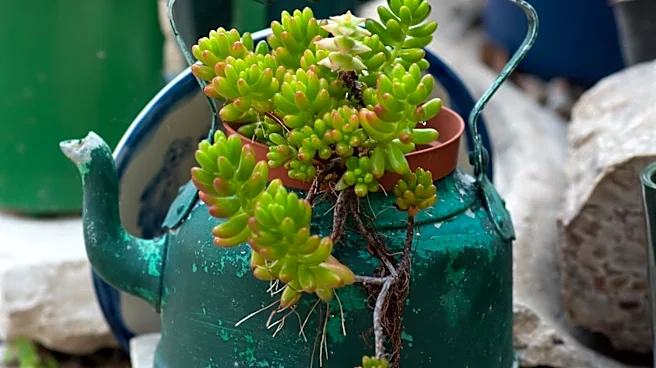
Succulent container gardens are gaining popularity for their aesthetic appeal and minimal care requirements, particularly in regions experiencing challenging weather conditions. One gardener reported that their succulent containers, including a birdbath-turned-planter,
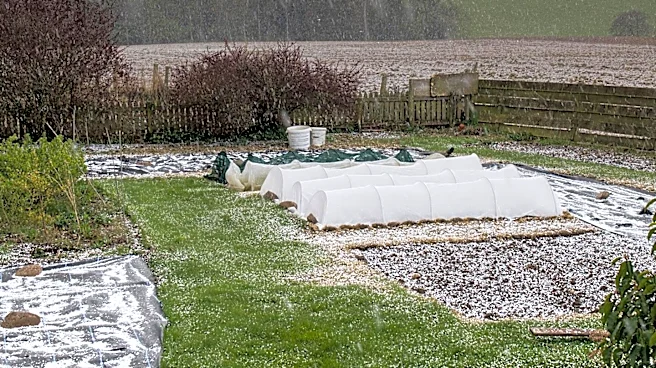
thrived despite storms with 90 mph winds, hail, and nearly four inches of rainfall. These containers required no fertilizing or supplemental watering, offering a resilient and beautiful gardening solution. The appeal of succulents lies in their diverse shapes, textures, and foliage colors, which do not rely on flowers for visual interest. They are also noted for being waterwise, making them an environmentally friendly choice. Specific plants like Skyscraper senecio (Curio ficoides ‘Mount Everest’) and Lemon Coral sedum have been highlighted for their vigorous growth and ability to create stunning displays. Even portulaca, or moss rose, proved to be a successful choice for exceptionally dry hanging baskets, thriving in full sun and attracting pollinators.
Why It's Important?
The increasing interest in drought-tolerant and low-maintenance gardening solutions is significant for U.S. homeowners and gardeners, especially in areas prone to water restrictions or extreme weather. Succulent container gardens provide a practical and beautiful alternative to traditional plantings that often demand more resources. Their resilience reduces the need for constant attention, which can be a major benefit for individuals with busy lifestyles or those seeking to minimize gardening efforts. Furthermore, the waterwise nature of succulents contributes to water conservation efforts, aligning with broader environmental sustainability goals. The ability of these plants to withstand harsh conditions also offers a reliable option for maintaining greenery and aesthetic appeal in challenging climates, potentially reducing plant replacement costs and labor for consumers.
What's Next?
As climate patterns continue to shift, the demand for resilient and water-efficient gardening options is likely to grow. This trend could lead to increased innovation in succulent varieties and container designs tailored for diverse U.S. climates. Garden centers and nurseries may expand their offerings of succulents and related products, such as specialized potting mixes and decorative containers. Educational initiatives promoting water-saving gardening techniques, including the use of succulents, could also become more prevalent. Homeowners and landscape designers may increasingly incorporate succulent container gardens into their plans, recognizing their dual benefits of beauty and sustainability. The continued success of these gardens in varied conditions will likely solidify their place as a staple in modern U.S. gardening practices.
Beyond the Headlines
The rise of succulent container gardening reflects a broader cultural shift towards more sustainable and adaptable living practices. Beyond their practical benefits, these gardens offer a unique aesthetic that resonates with contemporary design trends, emphasizing natural textures and minimalist forms. They also encourage a deeper appreciation for plant resilience and the subtle beauty of foliage over fleeting blooms. This trend could foster a greater connection between individuals and their immediate environment, even in urban settings where space is limited. The ease of care associated with succulents might also democratize gardening, making it accessible to a wider audience, including beginners and those with limited mobility, thereby enriching public spaces and private homes with living art that demands less and gives more.