

What's Happening?
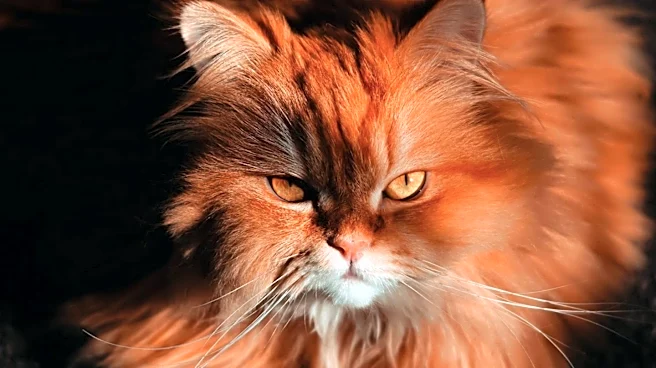
Siberian cats, known for their robust build and thick coats, display a variety of red-toned fur patterns, including solid red, red tabby, and red-and-white. The presence of an orange coat color in cats, including Siberians, is primarily due to a genetic
mutation linked to the X chromosome. This mutation enhances the activity of a gene called Arhgap36 in pigment cells. This genetic factor explains why approximately 80% of orange cats are male, as females require the mutation on both X chromosomes to exhibit a fully orange coat. The Cat Fanciers’ Association (CFA) recognizes a broad spectrum of Siberian colors and patterns, allowing for white in varying amounts and locations. While the CFA's red standard calls for a deep, clear, brilliant red without shading or markings for show cats, pet Siberians may have visible markings that deviate from this ideal. The specific pattern, such as point or lynx-point, further influences how the red color appears on the cat's body.
Why It's Important?
Understanding the genetic basis and phenotypic expression of coat colors in breeds like the Siberian cat is significant for breeders, cat fanciers, and prospective pet owners. For breeders, this knowledge is crucial for maintaining breed standards and predicting coat outcomes in litters. The prevalence of male orange cats due to the X-chromosome linkage highlights a fundamental aspect of feline genetics, which can inform breeding strategies and genetic counseling. For individuals seeking a Siberian cat, recognizing that coat color alone does not define the breed or its temperament is vital. Instead, factors like family history, physical traits, and individual personality are more indicative. This information helps to manage expectations and promotes responsible pet ownership by emphasizing that a cat's care needs and temperament are more critical than its coat color. It also underscores the importance of consulting breed standards from organizations like the CFA for accurate information on recognized traits.
What's Next?
Future research in feline genetics may further elucidate the complex interplay of genes responsible for coat color and pattern variations in Siberian cats and other breeds. This could lead to more precise genetic testing for breeders, allowing for better management of desired traits and the avoidance of certain genetic conditions. For pet owners, continued education on breed-specific characteristics and the individual nature of cats will remain important. Organizations like the CFA and The International Cat Association (TICA) will likely continue to refine breed standards as genetic understanding evolves. The focus will remain on promoting the health and well-being of Siberian cats, irrespective of their coat color, by emphasizing responsible breeding practices and comprehensive veterinary care. As public interest in specific cat breeds grows, accurate information regarding their genetic makeup and care requirements will be increasingly valuable.
Beyond the Headlines
The discussion of coat color genetics in Siberian cats extends beyond mere aesthetics, touching upon broader themes in biology and animal husbandry. The X-chromosome linkage of the orange mutation serves as a compelling example of sex-linked inheritance, a fundamental concept in genetics. This biological detail not only explains the male predominance in orange cats but also illustrates how single gene mutations can have significant phenotypic effects. Culturally, the allure of specific coat colors often drives demand, sometimes overshadowing other crucial aspects of animal welfare, such as temperament and health. This highlights the ethical responsibility of breeders and pet owners to prioritize the overall well-being of animals over purely aesthetic preferences. Furthermore, the distinction between a show standard and a pet cat's appearance underscores the diverse roles animals play in human lives, from competitive exhibition to cherished companionship, each with its own set of values and considerations.