



What's Happening?
UAE stock markets closed higher on Friday, driven by an increase in oil prices. This surge in oil prices was fueled by growing concerns over potential supply disruptions in the Gulf region, following attacks on tankers in the Strait of Hormuz and Saudi
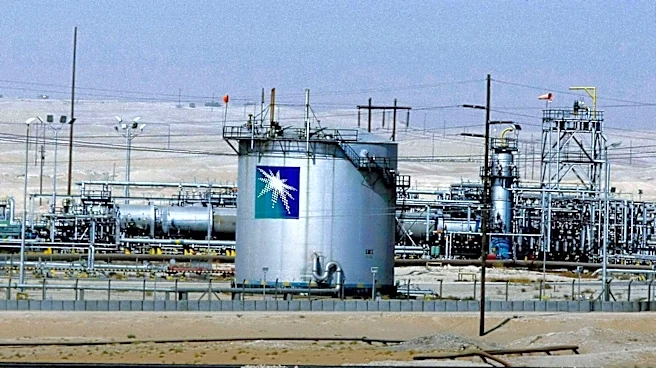
energy infrastructure. Brent crude futures rose by 73 cents, or 0.8%, to $97.30 a barrel, reaching their highest point since November 9 and putting them on track to break a three-week losing streak. The Saudi Aramco's Jazan refinery temporarily halted some operations after a projectile strike, which resulted in the death of a Nepalese worker and injuries to several others, as confirmed by Saudi Arabia's Energy Ministry. In Dubai, the main share index advanced 1.4%, led by a 2% rise in Emaar Properties, while Abu Dhabi's index added 0.5%.
Why It's Important?
The rise in oil prices and the subsequent boost to UAE stock markets underscore the significant impact of geopolitical tensions on global energy markets and regional economies. The Gulf region is a critical source of global oil supply, and any disruption or perceived threat to this supply can immediately affect prices. For the U.S. and other oil-importing nations, higher oil prices can lead to increased fuel costs, impacting consumer spending and inflation. Conversely, oil-exporting nations like the UAE benefit from these price increases, which can strengthen their economies and financial markets. The incident at the Jazan refinery highlights the vulnerability of energy infrastructure to regional conflicts, posing risks to global energy security and stability.
What's Next?
The ongoing tensions in the Gulf region and the potential for further supply disruptions will likely keep oil prices volatile. Investors and market analysts will closely monitor geopolitical developments and their impact on oil production and transportation routes. The UAE stock markets may continue to be influenced by these oil price fluctuations, as well as broader economic indicators such as U.S. core inflation. Energy companies and governments will need to assess and mitigate risks to their supply chains and infrastructure. The international community may also increase diplomatic efforts to de-escalate tensions in the region to ensure stable energy supplies.
Beyond the Headlines
The interconnectedness of global energy markets and geopolitical stability is starkly illustrated by these events. Beyond the immediate economic impact, the attacks on energy infrastructure raise serious concerns about maritime security and the protection of critical global trade routes. The human cost, as evidenced by the death of a worker at the Jazan refinery, adds a tragic dimension to these conflicts. This situation also highlights the ongoing challenge of balancing energy security with regional stability, particularly in areas prone to geopolitical friction. The reliance on fossil fuels continues to expose economies to these vulnerabilities, prompting renewed discussions about energy diversification and resilience.