









What's Happening?
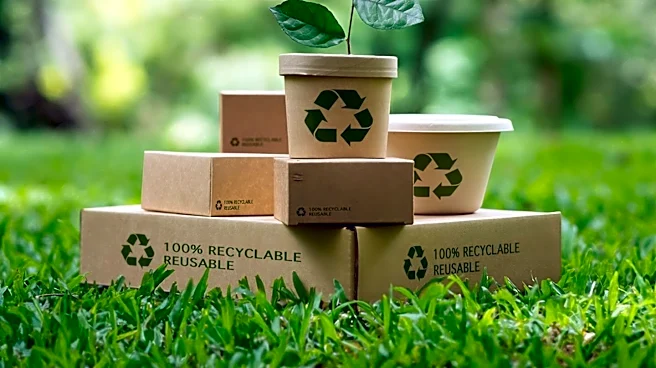
Direct-to-consumer (DTC) brands are increasingly implementing rigorous compatibility testing and post-consumer recycled (PCR) sourcing strategies to prevent packaging failures and product recalls. A packaging failure, such as a leaking bottle or a resin
swap affecting formula behavior, can lead to costly recalls at full production volume. Compatibility testing involves checking how a product's formula interacts with its packaging over time, addressing issues like leaching or weight loss. The shift to PCR sourcing, driven by both environmental concerns and regulatory mandates in states like California and Washington, introduces additional complexities due to greater batch-to-batch variation in recycled resins. Brands are advised to treat any change in resin vendors, especially for PCR, as a new testing exercise to ensure product integrity and compliance.
Why It's Important?
The proactive adoption of compatibility testing and PCR sourcing is critical for DTC brands to maintain consumer trust and avoid significant financial losses associated with product recalls. Packaging failures not only incur direct costs but also severely damage brand reputation, which is particularly vital for DTC companies that rely heavily on direct customer relationships. The increasing regulatory pressure for recycled content in packaging, with mandates in states like California and Washington, means that brands must adapt their supply chains to incorporate PCR materials. This necessitates a more stringent quality control process, as PCR resins can be less consistent than virgin materials. By investing in thorough testing, brands can ensure compliance, reduce environmental impact, and safeguard their products and consumer relationships in a rapidly evolving market.
What's Next?
DTC brands are expected to continue integrating comprehensive compatibility testing into their product development cycles, especially as they scale operations and incorporate more PCR materials. This includes testing specific resin batches and documenting results before committing to bulk orders, and re-testing whenever resin sources or vendors change. The timeline for compatibility testing can range from weeks to months, depending on the product's formula, requiring brands to build this into their launch calendars. As more states are drafting similar recycled-content laws, the compliance landscape will likely expand, further compelling brands to prioritize robust PCR sourcing and testing protocols. Suppliers of PCR are also evolving, with some now offering FDA no-objection letters for food-grade resin, which will help streamline the documentation and quality assurance processes for brands.
Beyond the Headlines
The emphasis on compatibility testing and PCR sourcing reflects a broader industry trend towards sustainability and risk management in the supply chain. Beyond immediate compliance and cost avoidance, these practices contribute to a more circular economy by promoting the use of recycled materials and reducing waste. The challenges associated with PCR, such as batch variability, highlight the need for innovation in material science and quality control processes. This could lead to advancements in resin manufacturing and testing technologies, making it easier for brands to adopt sustainable packaging solutions without compromising product quality or safety. Furthermore, consumer demand for environmentally friendly products is growing, making sustainable packaging a competitive differentiator. Brands that effectively navigate these complexities will not only meet regulatory requirements but also enhance their brand image and appeal to a conscious consumer base, fostering long-term loyalty and market leadership.