





What's Happening?
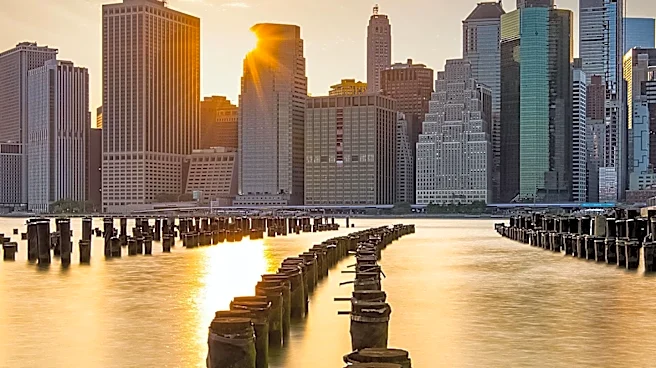
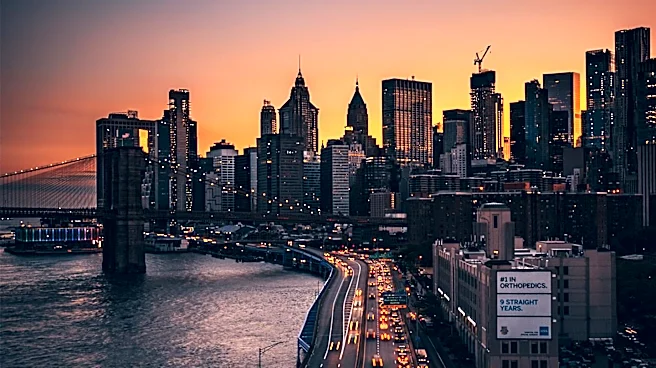
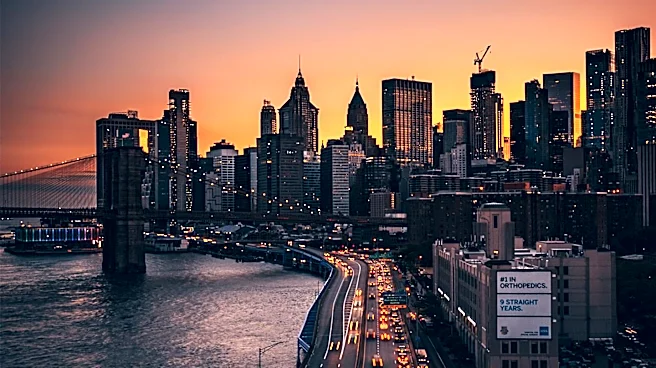
This weekend marks the final occurrence of Manhattanhenge for the year 2026, a phenomenon where the setting sun aligns perfectly with Manhattan's street grid. The event will take place on July 11 and 12, with prime viewing expected around 8:20 p.m. The American
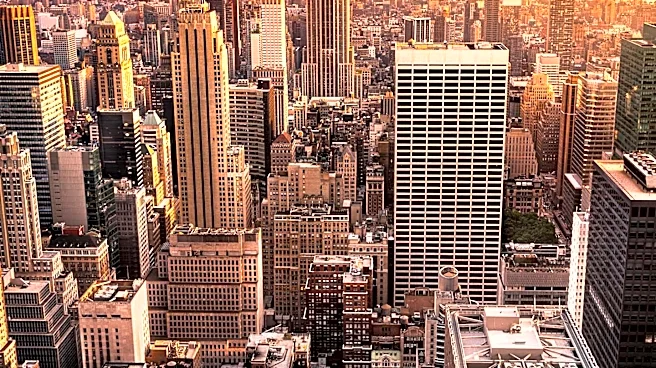
Museum of Natural History is hosting a block party featuring activities such as chess matches and double dutch jump rope, alongside a lecture about Manhattanhenge. The term 'Manhattanhenge' was coined by astrophysicist Neil deGrasse Tyson, drawing a parallel to England's Stonehenge. The alignment occurs twice a year due to the unique orientation of Manhattan's grid, which is rotated 30 degrees east from true north. This alignment allows for a clear view of the sunset across the Hudson River, framed by the city's tall buildings.
Why It's Important?
Manhattanhenge is a celebrated event that draws both locals and tourists, highlighting the unique architectural and geographical features of New York City. It offers a rare opportunity for city dwellers to connect with the natural world, fostering a sense of wonder and appreciation for the cosmos. The event also boosts local tourism and community engagement, as people gather to witness the spectacle and participate in related activities. The phenomenon underscores the intersection of urban planning and natural phenomena, showcasing how human-made environments can harmonize with nature.
What's Next?
Following this weekend's event, the next Manhattanhenge will occur in May 2027. In the meantime, New Yorkers can look forward to the 'Winter Manhattanhenge,' which occurs during sunrise in December and January. The American Museum of Natural History and other local organizations may continue to host events and educational programs to maintain public interest and engagement with astronomical phenomena. As awareness of Manhattanhenge grows, it may inspire similar events in other cities with unique urban layouts.
Beyond the Headlines
Manhattanhenge offers a deeper reflection on the relationship between urban life and the natural world. It challenges city dwellers to look beyond the immediate hustle and bustle and appreciate the broader universe. The event also raises awareness about the importance of preserving clear skies and reducing light pollution, which can obscure such natural spectacles. As cities continue to grow, balancing development with environmental considerations will be crucial to maintaining opportunities for such awe-inspiring experiences.