





What's Happening?
Honda is aiming to cut over $9 billion in costs by 2030, driven by intense competition from Chinese automakers and significant losses in its electric vehicle (EV) sector. The company has informed its suppliers that they must drastically reduce prices
as part of this effort. According to documents cited by Reuters, Honda is targeting a 30% cost reduction across three key areas: pressed and forged components, electrical parts, and software-defined vehicle (SDV)-related parts. Honda has also requested tier-one suppliers to review material procurement and increase the use of standardized parts from second- and third-tier suppliers. Furthermore, Honda managers have urged suppliers to incorporate more Chinese-made components where feasible. The automaker reported its first-ever annual loss in its nearly 70-year history as a publicly traded company in May and anticipates EV-related losses to exceed $12 billion.
Why It's Important?
Honda's aggressive cost-cutting strategy has significant implications for the U.S. automotive industry and its supply chain. As a major global automaker with a substantial presence in the U.S., these measures could lead to increased pressure on American suppliers to lower their prices and potentially shift their sourcing to Chinese components. This could impact U.S. manufacturing jobs and the competitiveness of domestic suppliers. The move also highlights the growing influence of Chinese automakers and the challenges traditional manufacturers face in the rapidly evolving EV market. Honda's substantial EV losses and subsequent pivot away from some North American EV models, partly attributed to changes in U.S. tax incentives and anti-EV rhetoric, underscore the volatile nature of the EV transition and its economic consequences for established players. This situation could lead to a re-evaluation of EV strategies across the U.S. automotive sector, potentially affecting consumer choices and the pace of EV adoption.
What's Next?
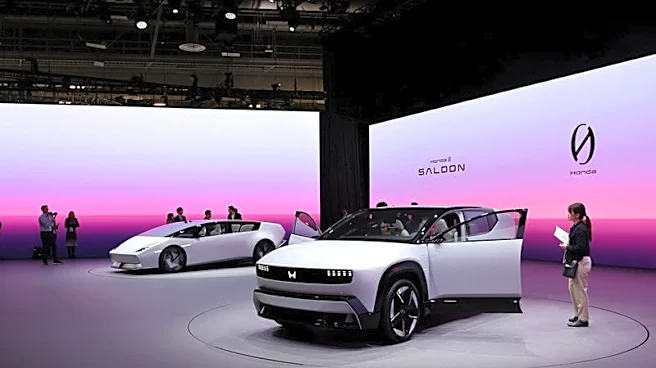
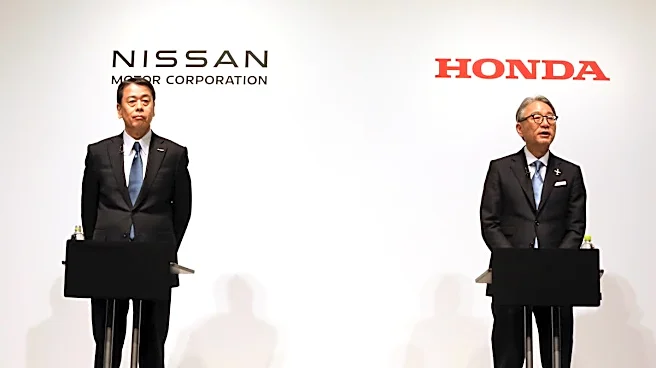
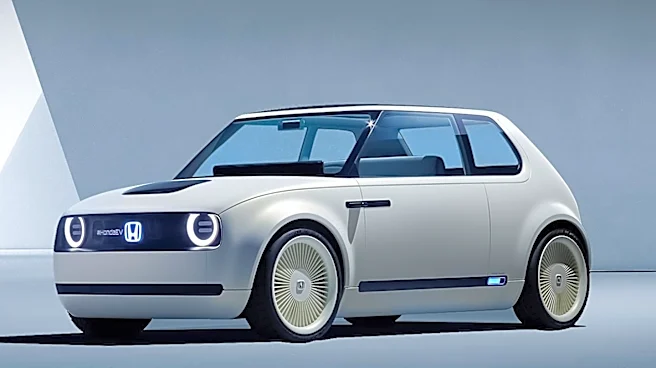
Honda's cost-cutting plan will unfold over the next four years, with suppliers expected to implement significant price reductions. The company's partnership with Nissan to develop computer components and software for vehicles is another step in its cost-saving and competitiveness efforts. Honda will likely continue to adjust its product lineup, focusing more on hybrids for the immediate future, with new Civic and Accord models expected to lean on its e:HEV hybrid system. While some EV models are still planned for 2027, the overall EV push has been scaled back. The success of these measures in improving Honda's financial performance and competitiveness will be closely monitored by the industry. The impact on U.S. suppliers and the broader automotive market, particularly regarding component sourcing and pricing, will be a key area of observation.
Beyond the Headlines
Honda's predicament reflects a deeper struggle within the global automotive industry as it navigates the transition to electric vehicles while facing geopolitical and economic pressures. The call for suppliers to use more Chinese-made components could accelerate the integration of Chinese manufacturing into the global automotive supply chain, potentially leading to increased economic interdependence but also raising concerns about supply chain resilience and national security for the U.S. The substantial EV losses and the shift in strategy also highlight the immense capital investment and technological risks associated with developing new EV platforms. This situation could prompt other automakers to adopt more cautious or diversified approaches to EV development, potentially slowing the overall pace of EV adoption if profitability remains elusive. The long-term implications for innovation, job creation, and the competitive landscape of the U.S. automotive market are substantial.