





What's Happening?
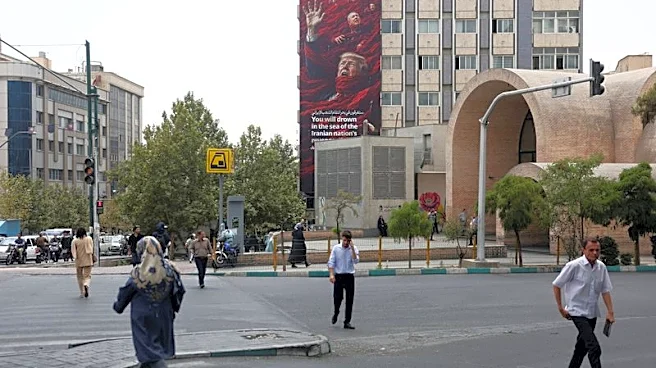
BP has reported a significant increase in second-quarter profits, driven by higher oil prices amid ongoing hostilities between the U.S. and Iran. The company's underlying replacement cost profit reached $5.7 billion, surpassing analyst expectations. The conflict
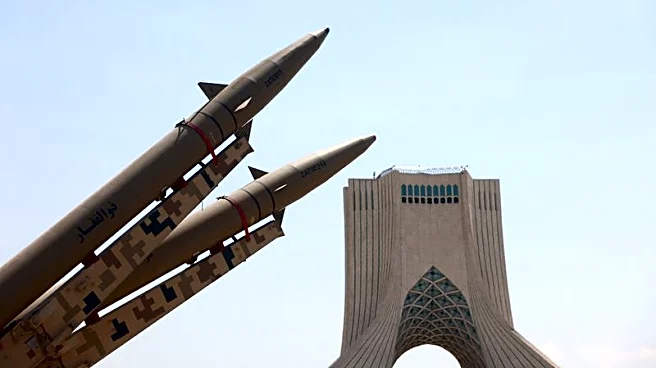
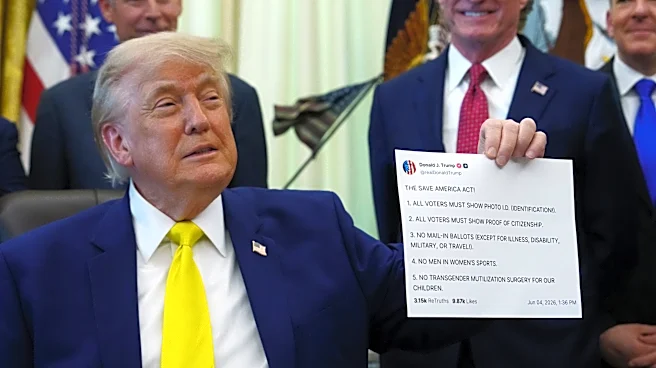
has disrupted shipping through the Strait of Hormuz, a key oil transit route, contributing to the surge in oil prices. President Donald Trump has criticized major oil companies for profiting from the situation, demanding lower gasoline prices for consumers. BP's financial performance reflects the broader impact of geopolitical tensions on the energy sector.
Why It's Important?
BP's profit surge highlights the complex relationship between geopolitical events and energy markets. The conflict in the Middle East has significant implications for global oil supply and pricing, affecting economic stakeholders and consumer costs. The situation underscores the challenges of balancing corporate profitability with political and economic pressures. Trump's criticism of oil companies reflects broader concerns about the impact of high energy prices on inflation and consumer spending. The developments also emphasize the need for strategic energy policies that address both market dynamics and geopolitical risks.
What's Next?
The energy sector will continue to navigate the challenges posed by geopolitical tensions and market volatility. Companies like BP may face increased scrutiny and regulatory pressures as governments seek to address consumer concerns and stabilize energy markets. The situation may also prompt discussions on alternative energy sources and strategies to reduce dependency on fossil fuels, influencing future energy policies and investments. The outcome of these efforts will have far-reaching consequences for the global energy landscape and economic stability.