



What's Happening?
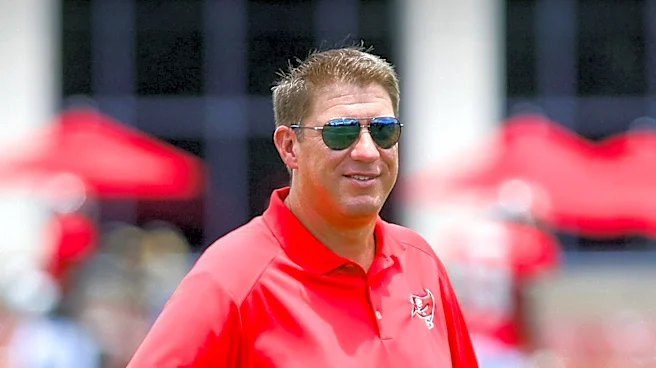
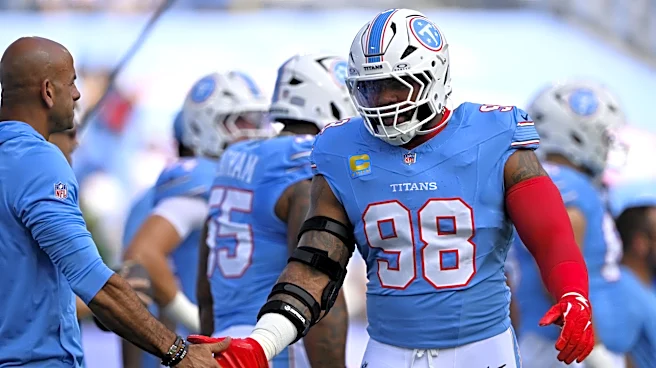
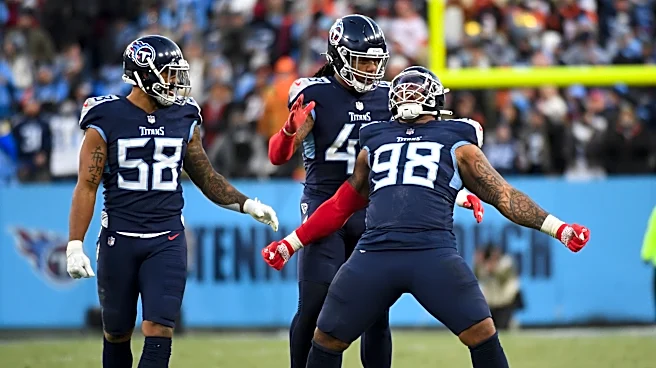
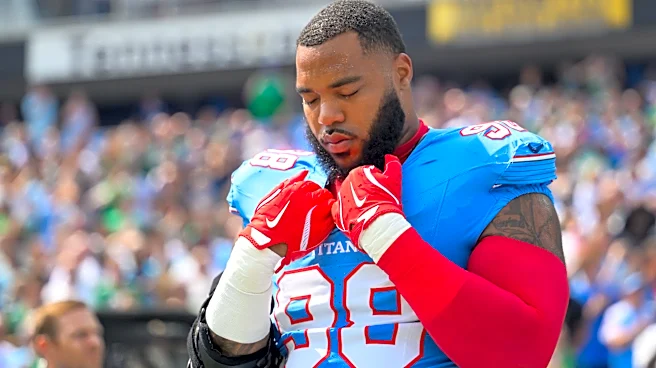
New York Giants head coach John Harbaugh directly contacted Tennessee Titans owner Amy Adams Strunk in an attempt to trade for All-Pro defensive tackle Jeffery Simmons. This move occurred after Giants General Manager Joe Schoen had already been informed
by Titans General Manager Mike Borgonzi that Simmons was not available for trade. Harbaugh's direct appeal to the owner, bypassing the general manager, has been described by sources as 'breaking with traditional NFL trade-talk norms' and reportedly 'angered some around the NFL.' Despite Harbaugh's efforts, Strunk, who has empowered Borgonzi to make football decisions, upheld her general manager's stance. Simmons was ultimately traded to the Chicago Bears in a deal involving two future first-round picks and a fourth-rounder, a package the Giants reportedly could not match.
Why It's Important?
This incident highlights a significant unwritten rule within the NFL regarding trade negotiations: primary football decision-makers are expected to deal only with each other. Harbaugh's decision to circumvent this protocol by contacting an owner directly could strain relationships between the Giants and other NFL front offices. Such actions can lead to a perception of disrespect for established hierarchies and potentially make future trade discussions more difficult for the Giants, as rival general managers might be less inclined to engage with a team perceived to disregard conventional practices. The situation also underscores the authority of team owners in football operations, even when they delegate decision-making power to their general managers, as Strunk ultimately backed her GM's position.
What's Next?
The immediate consequence is that the Giants failed to acquire Jeffery Simmons, who instead went to the Chicago Bears. The Giants, currently leading the NFC East, will now need to explore other options to bolster their defensive line before the November 10 trade deadline. The long-term impact could involve a period of strained relations with other NFL general managers, potentially affecting the Giants' ability to execute future trades. Other teams may view Harbaugh's approach as overly aggressive or disrespectful, leading to increased caution or reluctance in dealing with the Giants' front office. The NFL may also consider whether to address such direct owner-to-owner contacts in future league protocols, especially if similar incidents arise.
Beyond the Headlines
The controversy surrounding Harbaugh's call delves into the ethical and professional conduct within the highly competitive NFL landscape. While the desire to win often drives teams to extreme measures, there's an underlying code of conduct that governs interactions between franchises. Bypassing a general manager to appeal directly to an owner, even if technically permissible, can be seen as undermining the authority of the GM and disrupting the established chain of command. This incident could prompt a broader discussion within the league about the boundaries of trade negotiations and the importance of maintaining professional respect among front-office personnel, potentially influencing how teams approach high-stakes player acquisitions in the future.