

What's Happening?
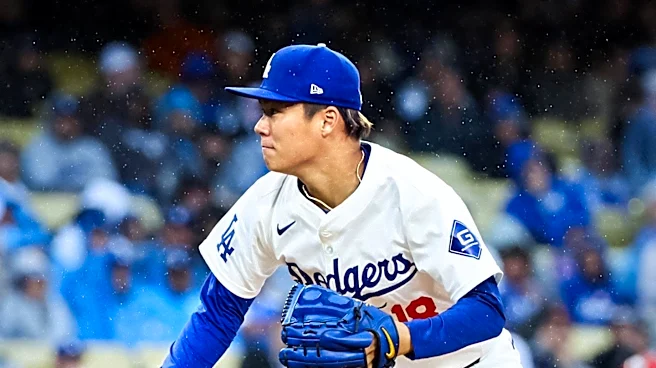
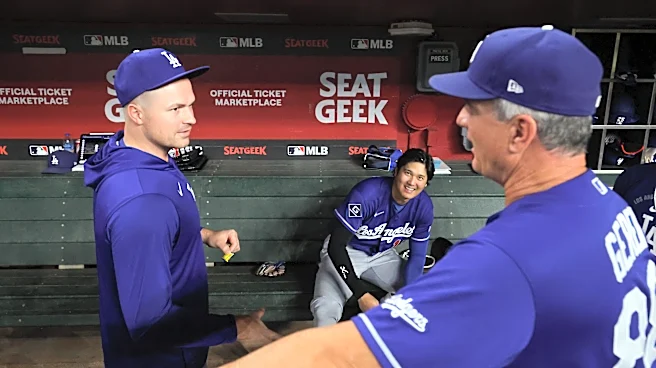
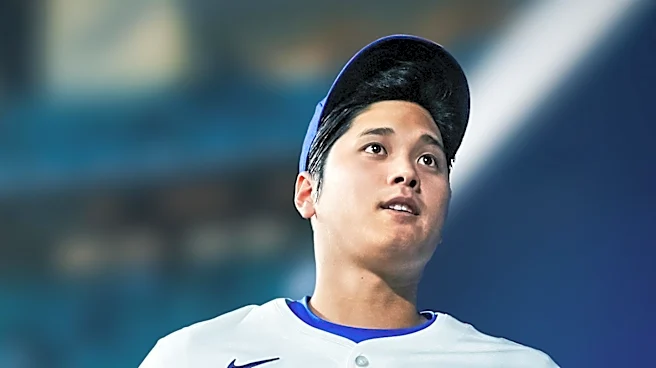
The Los Angeles Dodgers are actively strategizing Shohei Ohtani's role for the 2027 season, particularly concerning his return to pitching. Ohtani's 2026 season was impacted by left knee and right arm injuries, which prevented him from pitching during
the latter half of the year and affected his performance at the plate. Despite these setbacks, the Dodgers remain optimistic about his ability to return as both a designated hitter and pitcher in 2027. General Manager Brandon Gomes acknowledged the complexities of managing Ohtani's workload, describing it as a 'chicken or the egg' scenario. The team is exploring various avenues, such as adjusting his pitching schedule or incorporating more rest days as a position player, to ensure his sustained health throughout the season. Dodgers president of baseball operations Andrew Friedman also expressed excitement about Ohtani pitching again but recognized the challenge of maintaining his health for an entire season, including the postseason. Ohtani himself has stated that his primary focus this offseason is to achieve 100% health through rest, a goal that could be aided by a potential lockout delaying the start of Spring Training and the 2027 season. Encouragingly, current indications suggest Ohtani will not require any surgery during the offseason.
Why It's Important?
Shohei Ohtani's ability to return to his full two-way potential is crucial for the Los Angeles Dodgers and has significant implications for Major League Baseball. As one of the sport's most unique and marketable talents, his performance directly impacts the Dodgers' competitive outlook and fan engagement. If Ohtani can successfully resume both pitching and hitting roles without recurring injuries, it provides the Dodgers with an unparalleled strategic advantage, essentially adding two elite players in one roster spot. This also affects roster construction, as MLB's two-way player rule allows Ohtani to pitch without counting against the pitcher limit, offering the team greater flexibility. Conversely, if health issues persist, the Dodgers will face difficult decisions regarding his long-term role and the allocation of their substantial investment in him. The broader MLB landscape also benefits from Ohtani's two-way success, as it draws significant viewership and interest, contributing to the league's overall popularity and revenue. His health management strategy could also set precedents for how other teams handle multi-talented players in the future.
What's Next?
The immediate focus for Shohei Ohtani is his offseason recovery and rehabilitation, aiming to reach 100% health without surgical intervention. The Los Angeles Dodgers will engage in ongoing discussions with Ohtani to finalize a comprehensive plan for his 2027 season workload, balancing his pitching and hitting responsibilities. This plan will likely involve careful monitoring during Spring Training and a phased approach to his return to the mound. The potential MLB lockout could influence the timeline for his preparation, possibly providing more recovery time. As the 2027 season approaches, fans and analysts will closely watch Ohtani's performance in Spring Training to gauge his readiness for a full two-way season. The Dodgers' decisions regarding his usage will be critical, as they aim to maximize his impact while mitigating injury risks. The team will also need to consider how Ohtani's role affects other veteran players like Freddie Freeman and Max Muncy, particularly concerning designated hitter opportunities.
Beyond the Headlines
The ongoing management of Shohei Ohtani's health and two-way career highlights a broader challenge in professional sports: optimizing the performance of elite athletes while safeguarding their long-term well-being. Ohtani's unique skill set pushes the boundaries of traditional baseball roles, creating a 'chicken or the egg' dilemma for the Dodgers in terms of workload management. This situation could lead to innovative approaches in sports science, training regimens, and player management that could influence how multi-talented athletes are developed and utilized across various sports. Ethically, the balance between maximizing a player's on-field contribution and protecting their physical health is a constant consideration for franchises. The Dodgers' strategy with Ohtani could set a precedent for how teams invest in and manage generational talents, particularly those with demanding dual roles. Furthermore, Ohtani's journey continues to captivate a global audience, underscoring the cultural impact of international sports stars and their ability to transcend traditional athletic boundaries.