


What's Happening?
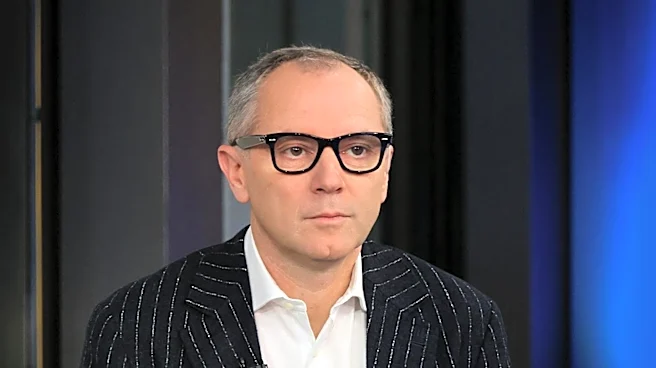
John Malone, a historical figure within Liberty Media, has seen his voting power significantly reduced from 48% to approximately 3%. This change in governance comes as Liberty Media's former CEO, Greg Maffei, has publicly discussed the possibility of
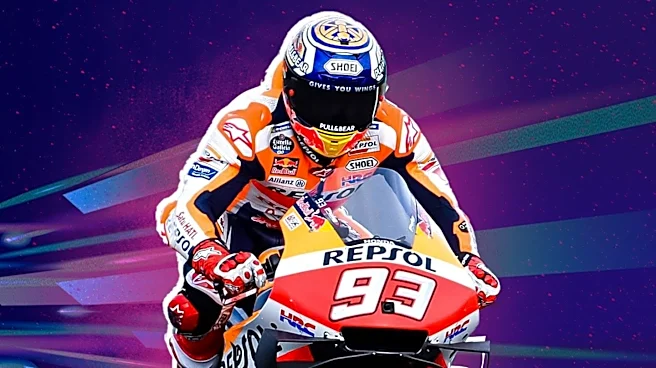
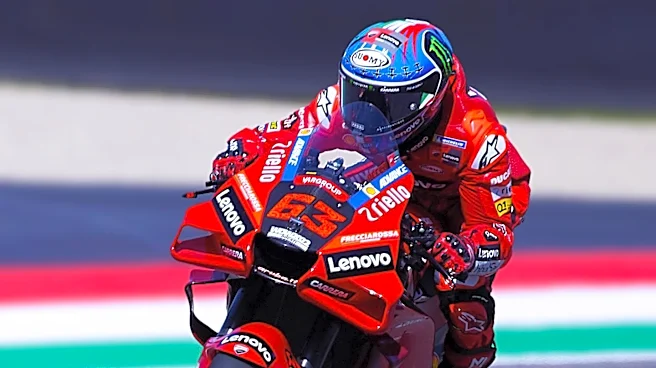
selling Formula 1 by 2028. The valuation of Formula 1 under Liberty Media has seen a substantial increase, from an acquisition cost of around $4.6 billion in 2017 to an estimated $28-30 billion today, with stock prices rising by approximately 250% and EBITDA tripling. This financial success has led to discussions about the opportune moment for investors to realize their gains. The potential sale could also impact MotoGP, which Liberty Media recently acquired and is actively transforming, raising questions about whether these changes are solely for long-term development or to make the asset more attractive for a future sale.
Why It's Important?
The reduction in John Malone's voting power at Liberty Media is a significant internal shift that could influence future strategic decisions, particularly regarding the ownership of major sports properties like Formula 1 and MotoGP. While not directly signaling an immediate sale, it alters the decision-making balance within the company. For U.S. investors and the sports industry, this development highlights the financial strategies employed by large investment groups. The substantial increase in Formula 1's valuation under Liberty Media demonstrates the potential for significant returns in sports ownership, but also underscores the transactional nature of such investments. The potential sale of these high-profile racing series could lead to new ownership structures, potentially impacting broadcast rights, commercial partnerships, and the overall direction of these global sports, affecting stakeholders from teams and sponsors to fans and media companies.
What's Next?
The discussions initiated by Greg Maffei about a potential sale of Formula 1 by 2028, coupled with John Malone's reduced voting stake, suggest that Liberty Media may be positioning itself for a major transaction in the coming years. While no official sale has been announced, the financial logic points towards a realization of gains from the successful valorization of Formula 1. The ongoing transformations in MotoGP, including schedule changes and promotional activities, could be interpreted as efforts to enhance its attractiveness to potential buyers, either as a standalone asset or as part of a larger package. The future of both championships will depend on the scope of any potential transaction and the agreements with governing bodies like the FIA for Formula 1 and the FIM for MotoGP, meaning they might not necessarily be sold together. Stakeholders will be closely watching for further indications of Liberty Media's long-term strategy for these valuable sports properties.
Beyond the Headlines
The situation at Liberty Media extends beyond mere financial transactions, touching upon the fundamental relationship between investment groups and cultural assets like sports championships. While Liberty Media has undeniably achieved commercial success with Formula 1, the underlying question is whether the long-term interests of the sport align with the financial objectives of an investment group primarily focused on maximizing returns and exiting at an opportune moment. This dynamic raises ethical considerations about the stewardship of sports heritage versus the pursuit of profit. For MotoGP, in particular, the current transformations could be seen as a double-edged sword: while aiming for commercial development, they also serve to enhance the asset's marketability for a potential sale. This highlights a broader trend in the sports industry where traditional sporting values can sometimes be at odds with the financial imperatives of corporate ownership, prompting discussions about the balance between commercial growth and preserving the integrity and legacy of the sport.