



What's Happening?
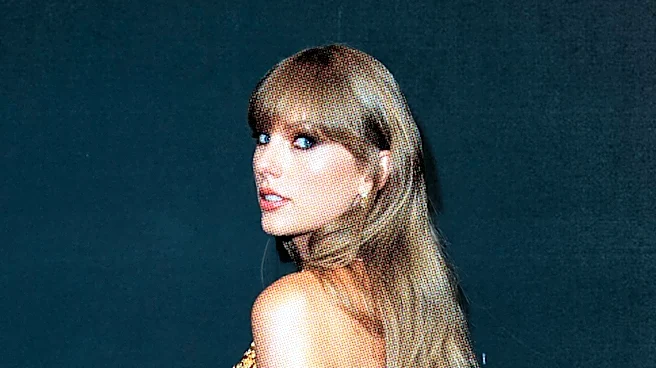
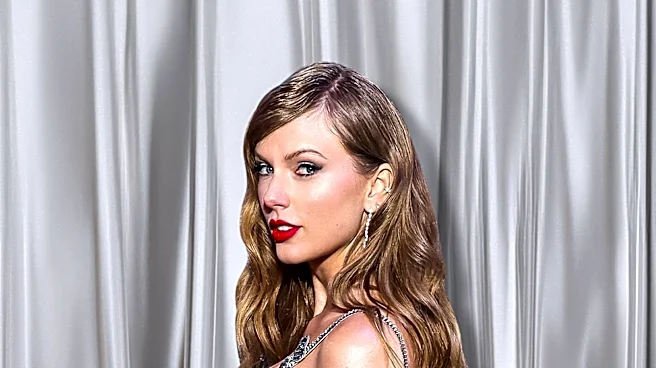
A recent article published by Vanity Fair concerning Taylor Swift has reportedly caused internal disagreement among Condé Nast executives. Chloé Malle, Vogue's head of editorial content, has expressed concerns that the article was unnecessary and could
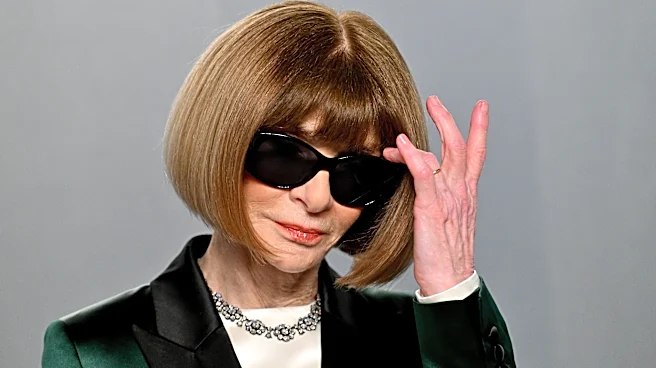
damage the relationship between Condé Nast and the pop superstar. Malle reportedly believes there was 'nothing there' to warrant the piece and fears it could prevent future collaborations, such as a Vogue cover or Swift's attendance at the Met Gala. Conversely, Anna Wintour, Condé Nast Chief Content Officer, was reportedly aware of the article's publication beforehand and had no issues with it. Sources indicate that Wintour prioritizes 'access' and typically avoids such conflicts. Despite the internal friction, Vanity Fair's Editorial Director Mark Guiducci, who reportedly ideated the piece, is said to be pleased with the attention it has garnered, viewing it as a 'calculated decision' to attract new readers and grow the business.
Why It's Important?
This internal dispute highlights the evolving dynamics within major media organizations regarding editorial strategy and celebrity relations. The differing views between Malle, who prioritizes maintaining access to high-profile figures like Taylor Swift, and Guiducci, who seeks to generate attention and readership through potentially controversial content, reflect a broader tension in the publishing industry. For Condé Nast, a company that relies heavily on celebrity engagement for its various publications, alienating a figure of Swift's stature could have significant implications for future content and event participation. The situation also underscores the pressure on editorial directors to drive engagement and subscriptions in a competitive media landscape, even if it means taking risks that could strain long-standing industry relationships. The outcome of this internal debate could influence future editorial decisions across Condé Nast's portfolio.
What's Next?
The immediate aftermath of the article suggests that Vanity Fair's Editorial Director Mark Guiducci's position is secure, with a spokesperson denying any rumors of job insecurity. Sources indicate Guiducci is considered a 'golden boy' at Condé Nast and is credited with growing the magazine's readership and subscriptions. This suggests that Vanity Fair may continue to pursue a strategy of publishing 'daring, interesting things' that generate attention, even if they are perceived as aggressive or controversial by some within the company. The long-term impact on Condé Nast's relationship with Taylor Swift remains to be seen; while Malle fears burned bridges, Guiducci's approach prioritizes immediate engagement metrics. Future interactions between Swift and Condé Nast publications, particularly Vogue and the Met Gala, will be closely watched as indicators of whether the perceived damage to the relationship is lasting.
Beyond the Headlines
This incident delves into the complex ethical and business considerations faced by media outlets in the digital age. The pursuit of 'clicks' and subscriptions, as reportedly prioritized by Guiducci, can sometimes conflict with traditional journalistic ethics of maintaining long-term relationships and avoiding unnecessary conflict. The differing philosophies within Condé Nast—one valuing access and established relationships, the other prioritizing provocative content for immediate engagement—reflect a broader industry struggle to balance influence with profitability. This situation could also signal a shift in how celebrity journalism is approached, moving away from purely promotional content towards more critical or even confrontational pieces, driven by the desire for viral content. The long-term cultural implication could be a more adversarial relationship between celebrities and media, potentially leading to celebrities controlling their narratives more tightly through direct channels, bypassing traditional media outlets altogether.