





What's Happening?
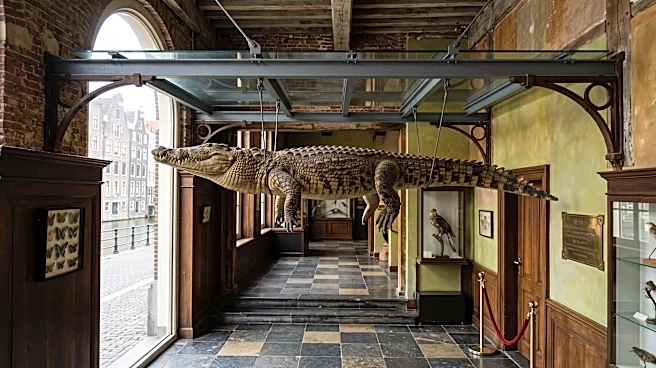
Amsterdam has opened a new museum called Art Zoo, created by Dutch artists Jaap Sinke and Ferry van Tongeren. This museum features hundreds of preserved creatures, artfully arranged bones, and other natural world objects, drawing inspiration from 16th
and 17th-century 'wunderkammers' or curiosity cabinets. Unlike traditional natural history museums where animals are posed as they would appear in the wild, Art Zoo presents its taxidermy with added drama and attitude. For instance, a 12-foot crocodile hangs at the entrance, and a Japanese giant spider crab stretches its 6-foot legs above a doorway. A unique aspect of the museum is its design: the display rooms within the 17th-century canal house are enclosed by brooding, black metal cages, confining human visitors while the animals are displayed 'freely.' All animals in the collection were sourced from zoos after dying of natural causes, primarily from Europe to ensure their history is known. The artists consider naturalist Charles Darwin as a third contributor to their work, with a wall display featuring Darwin busts and an amusing irony in the museum's location, which once housed the Biblical Museum.
Why It's Important?
The Art Zoo museum represents a significant departure from conventional natural history exhibitions, offering a unique perspective on the display and interpretation of the natural world. Its innovative approach of caging visitors rather than animals challenges traditional museum visitor experiences and prompts reflection on humanity's relationship with nature and captivity. This artistic choice can spark discussions about anthropocentrism, the ethics of display, and the role of art in recontextualizing scientific subjects. The museum's emphasis on storytelling and adding 'drama' to taxidermy could influence future museum design and exhibition curation, pushing boundaries beyond mere mimicry of nature. Furthermore, the artists' commitment to sourcing animals ethically from zoos highlights a growing awareness within the art and museum communities regarding responsible collection practices. The museum's blend of art, science, and historical inspiration from 'wunderkammers' contributes to a broader cultural dialogue about how we perceive, preserve, and present the natural world.
Beyond the Headlines
The Art Zoo's unconventional approach to exhibition design, particularly the caging of visitors, carries deeper implications beyond a mere artistic gimmick. It serves as a powerful metaphor, inverting the traditional power dynamic between humans and animals in a zoo setting. This inversion can provoke visitors to consider their own roles within ecosystems and the ethical responsibilities that come with human dominance over other species. The museum's aesthetic, drawing from historical 'wunderkammers,' also speaks to a timeless human fascination with collecting and categorizing the natural world, while simultaneously critiquing the often-unethical practices of past collectors. By presenting taxidermy with 'attitude' and 'drama,' Sinke and van Tongeren challenge the scientific objectivity often associated with natural history, inviting a more emotional and subjective engagement with the specimens. This approach could foster a more empathetic understanding of animal life and death, moving beyond purely scientific observation to a more profound artistic and philosophical contemplation of existence.