








What's Happening?
A Florida homeowner has taken an innovative approach to landscaping by covering their lawn with cardboard to create a pollinator garden. This method, known as sheet mulching, involves using cardboard to suppress grass and weeds, which is then covered
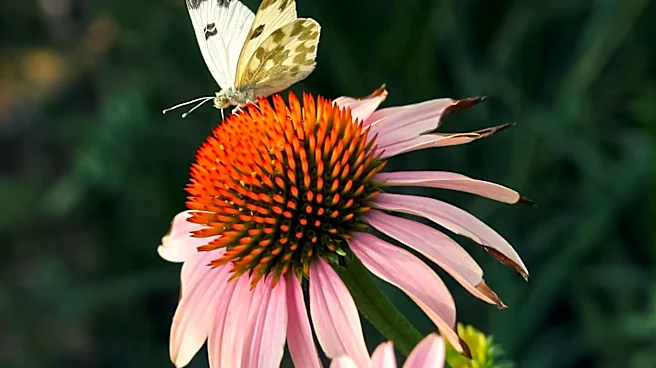
with organic material like compost. The goal is to replace traditional turf with native plants that support bees, butterflies, and other wildlife. This initiative is part of a broader movement to replace resource-intensive lawns with ecologically beneficial gardens. The University of Florida's Institute of Food and Agricultural Sciences supports this method as a sustainable way to establish new garden beds. The project highlights the potential for residential yards to contribute to ecological conservation by providing habitats for pollinators.
Why It's Important?
This transformation is significant as it reflects a growing trend among homeowners to prioritize ecological sustainability over traditional landscaping. By creating pollinator gardens, homeowners can support biodiversity and help combat the decline of pollinator populations, which are crucial for food production and ecosystem health. This approach also reduces the need for chemical fertilizers and pesticides, promoting a healthier environment. The project serves as a model for other homeowners, demonstrating that small changes in landscaping can have a substantial positive impact on local ecosystems.