





What's Happening?
The Global Cement and Concrete Association (GCCA) has announced the Innovandi Open Challenge 2026, inviting start-ups to propose artificial intelligence solutions aimed at decarbonising the cement and concrete industries. This initiative, revealed during
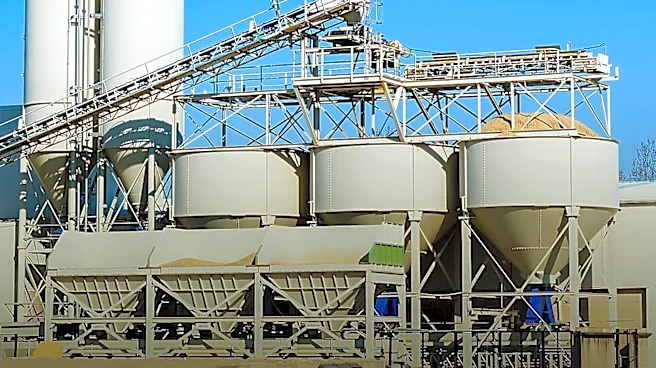
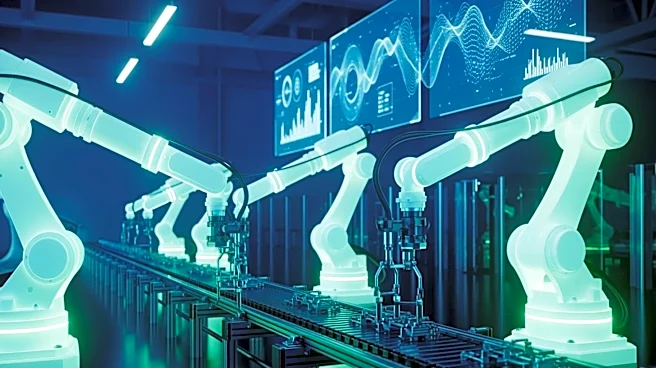
the London Climate Action Week, seeks to leverage AI to enhance cement and concrete mixes, optimize manufacturing processes, and reduce environmental impacts. The challenge is open to technologies that can influence either cement manufacturing or concrete production. Thomas Guillot, GCCA's Chief Executive, emphasized the transformative potential of innovation in these long-standing industries, highlighting the importance of cement and concrete in building a sustainable and resilient world. The Open Challenge, described as the first industry-led accelerator of its kind, has previously seen over 300 global start-ups apply, with 15 forming consortia with GCCA member companies to develop their technologies.
Why It's Important?
The Innovandi Open Challenge 2026 is significant as it addresses the urgent need for sustainable practices in the cement and concrete industries, which are crucial to global construction but also major contributors to carbon emissions. By focusing on AI-driven solutions, the GCCA aims to accelerate the transition to net-zero emissions, aligning with global climate goals. This initiative not only fosters innovation but also provides start-ups with access to the expertise and infrastructure of over 40 GCCA member companies, facilitating the commercial development of their technologies. The challenge underscores the role of industry collaboration in tackling environmental issues and could set a precedent for other sectors to follow.
What's Next?
Start-ups interested in participating in the Innovandi Open Challenge 2026 can apply through the GCCA's dedicated webpage. Successful applicants will have the opportunity to collaborate with GCCA member companies, gaining insights and support to refine and implement their technologies in real-world settings. As the challenge progresses, it is expected to attract a diverse range of innovative solutions, potentially leading to significant advancements in reducing the carbon footprint of cement and concrete production. The outcomes of this initiative could influence policy decisions and industry standards, promoting wider adoption of sustainable practices across the construction sector.