






What's Happening?
Corporate IT energy consumption is experiencing a substantial surge, primarily driven by the increasing demands of Artificial Intelligence (AI) workloads. Data centers, which are central to AI operations, have become major consumers of electricity. A recent
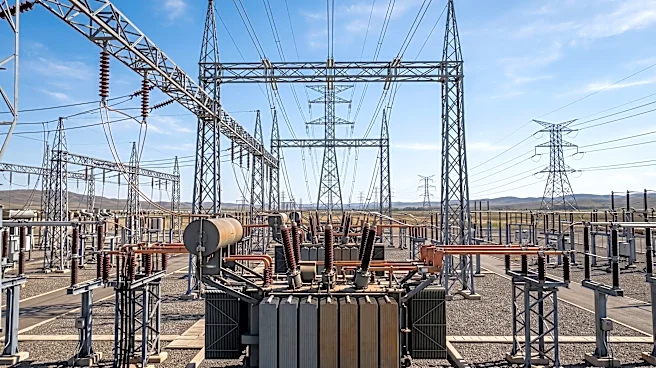
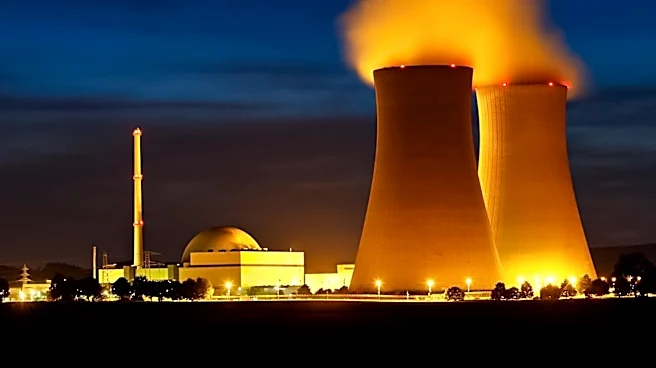
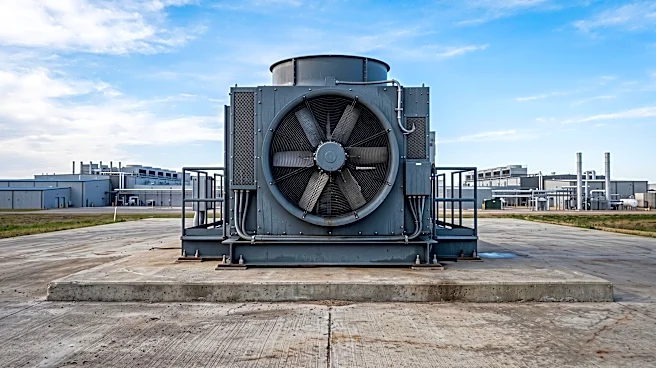
report indicates that the operational emissions of four of the largest cloud and AI companies have approximately doubled between 2020 and 2024. This rapid increase in energy demand is outpacing the decarbonization efforts of electricity grids, leading to concerns that data centers may compete with other sectors for clean power, grid capacity, and storage. The report also highlights a lack of transparency in energy data, making it difficult to track whether electrification is effectively replacing fossil fuels. Furthermore, electrification is largely absent from many corporate transition plans, even when broader decarbonization targets are in place.
Why It's Important?
The escalating energy consumption by AI and data centers poses a significant challenge to U.S. energy infrastructure and climate goals. The increased demand for electricity could strain existing grids, potentially leading to higher energy costs and reliability issues. If this demand is not met by additional renewable energy capacity, it could undermine efforts to reduce carbon emissions and accelerate the climate crisis. The lack of explicit electrification targets in corporate transition plans suggests a disconnect between ambition and action, which could hinder the nation's progress towards a sustainable energy future. This trend also raises questions about the long-term environmental impact of technological advancements and the need for greater accountability and transparency from major tech companies regarding their energy usage and emissions.
What's Next?
To address the growing energy demands of AI and data centers, there is a critical need for increased investment in renewable electricity capacity. Tech companies, with their substantial financial strength, are expected to play a more significant role in funding the necessary grid infrastructure and storage solutions. Grid planners and regulators should support this by linking new data center connections to clean capacity additions. Additionally, facility-level disclosure of energy use, emissions, and renewable electricity sourcing is crucial to understand how demand is being met and to ensure accountability. Policymakers and investors are urged to press companies for clearer commitments to electrification, including specific capital allocations and timelines, to ensure that the growth of AI is sustainable and aligned with broader decarbonization efforts.
Beyond the Headlines
The rapid growth of AI and its associated energy demands highlight a broader ethical and environmental dilemma: how to balance technological advancement with ecological responsibility. The current trajectory suggests that without proactive measures, the benefits of AI could come at a significant environmental cost. This situation calls for a re-evaluation of corporate sustainability strategies, moving beyond mere net-zero targets to concrete, measurable electrification goals. It also underscores the need for a systemic approach involving governments, investors, and tech companies to ensure that the energy transition is equitable and effective. The challenge extends beyond simply generating more clean energy; it requires optimizing energy consumption, enhancing data transparency, and fostering a culture of accountability across the industry.