





What's Happening?
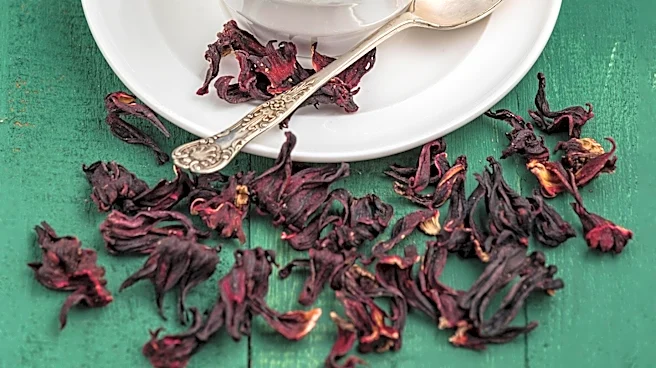
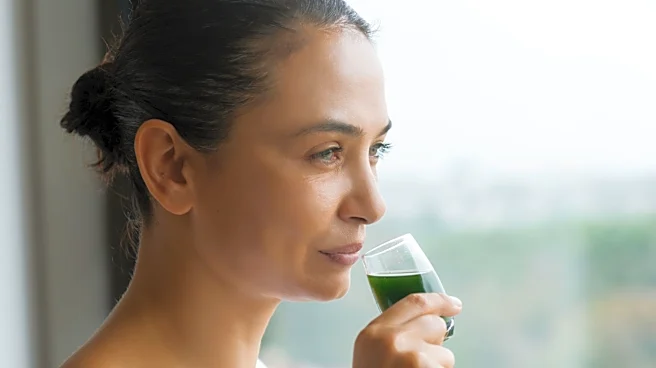
Hibiscus tea, known for its ruby-red color and tangy-sweet flavor, has become a significant part of women's cultural traditions and personal rituals globally, including in the U.S. Women incorporate hibiscus tea into their daily routines for its taste,
its ability to enhance self-care moments, and the sense of ritual and mindfulness it provides. It is often consumed as a flavorful, naturally caffeine-free option for afternoon and evening routines, contributing to relaxation through its taste and aroma. The tea is valued for its sensory appeal and its role in creating moments of intentional pause, whether in social gatherings or individual self-care practices. The guide emphasizes selecting quality hibiscus, proper brewing techniques, and integrating it into meaningful rituals.
Why It's Important?
The growing popularity of hibiscus tea in women's routines in the U.S. highlights a broader trend towards mindful consumption and the integration of wellness practices into daily life. For women, incorporating such rituals can offer a tangible way to manage stress and enhance personal well-being, providing a sense of control and comfort. The emphasis on natural, caffeine-free options like hibiscus tea also reflects a shift in consumer preferences towards healthier beverage choices. This trend impacts the U.S. beverage industry, driving demand for natural and functional drinks. Furthermore, the cultural aspect of hibiscus tea, rooted in global traditions, enriches the diverse tapestry of American lifestyle choices, offering a simple yet profound way to connect with heritage and promote self-care.
What's Next?
The increasing interest in hibiscus tea and similar botanical infusions suggests a continued expansion of the wellness beverage market in the U.S. Consumers are likely to seek out more diverse and ethically sourced herbal teas, prompting manufacturers and retailers to broaden their product offerings. There may be a rise in specialized tea shops and online platforms catering to these preferences, focusing on quality, origin, and unique flavor profiles. Additionally, the emphasis on integrating these beverages into daily rituals could lead to more educational content and workshops on mindful consumption and self-care practices. This trend indicates a future where natural, ritualistic beverage consumption plays an even more prominent role in promoting health and well-being across various demographics.
Beyond the Headlines
The integration of hibiscus tea into daily rituals carries deeper implications beyond its immediate health benefits. It represents a cultural embrace of global traditions, fostering a sense of connection and appreciation for diverse practices. Ethically, the focus on sourcing transparency and quality in hibiscus products can drive more sustainable and responsible practices within the agricultural and food industries. Psychologically, the act of preparing and consuming tea as a ritual can cultivate mindfulness, encouraging individuals to slow down and be present in their daily lives. This development reflects a subtle but significant shift in societal values, prioritizing intentionality, self-care, and a holistic approach to well-being, moving beyond purely functional consumption to embrace the experiential and cultural richness of food and drink.