



What's Happening?
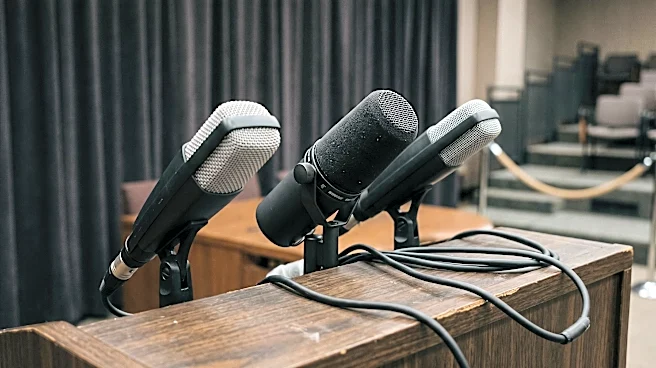
Former WWE referee Jimmy Korderas has provided his honest perspective on pro wrestling press conferences, emphasizing the delicate balance between maintaining character and being authentic. Korderas noted that both WWE and AEW have experimented with post-event
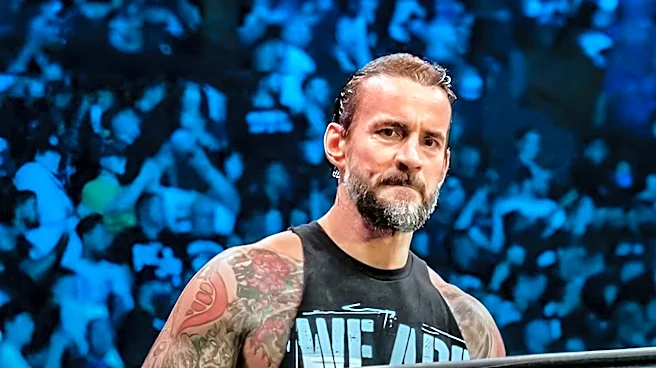
press conferences, yielding mixed results due to the predetermined nature of the industry. He highlighted the infamous 'Brawl Out' incident involving CM Punk and The Elite in AEW as an example of unexpected events that can arise, which ultimately contributed to Punk's departure. Korderas believes that companies must decide whether their press conferences feature performers in character or as themselves, as today's fans are more discerning due to increased access to behind-the-scenes content.
Why It's Important?
Korderas's insights are crucial for understanding the evolving landscape of professional wrestling's public relations and fan engagement. In an era where social media and behind-the-scenes content are prevalent, the traditional kayfabe (the portrayal of staged events as real) is increasingly challenged. His comments underscore the difficulty promotions face in managing their public image while maintaining the illusion of competition. The 'Brawl Out' incident serves as a stark reminder of how blurred lines between character and reality can lead to real-world consequences, affecting talent relations and company reputation. This discussion is vital for promotions as they strategize how to present their product and talent to a sophisticated and informed fanbase.
What's Next?
Korderas suggests that promotions need to 'pick a lane' regarding their press conference approach: either fully in character or fully authentic. He prefers WWE's current post-show model, which focuses on progressing storylines and interacting with fans, rather than traditional press conferences. This preference indicates a potential shift in how wrestling promotions engage with media and fans, moving towards more controlled and narrative-driven post-event content. Companies like WWE and AEW will likely continue to refine their strategies, balancing the need for transparency with the desire to protect the integrity of their storylines. The ongoing challenge will be to find a format that resonates with modern audiences while avoiding the pitfalls of past incidents.
Beyond the Headlines
The debate over wrestling press conferences delves into the broader cultural shift in how audiences consume and interact with entertainment. The rise of reality television and behind-the-scenes documentaries has conditioned viewers to seek authenticity, even in scripted forms of entertainment. For professional wrestling, this creates a unique dilemma: how much 'reality' can be introduced without undermining the core appeal of its fictional narratives? Korderas's observations highlight the ethical and artistic considerations involved in presenting a product that is both entertaining and believable. This ongoing tension between kayfabe and reality will continue to shape the future of professional wrestling's presentation and its relationship with its fanbase.