

What's Happening?
The Chicago Cubs have announced that their annual convention will take place from January 15-17, 2027, at the Sheraton Grand Chicago, despite the possibility of an owners' lockout. This means that current star players, such as Pete Crow-Armstrong and Nico
Hoerner, would not be available to attend. The convention, described as 'three action packed days celebrating all things Cubs baseball,' would instead feature former Cubs players and Marquee Network celebrities. The club has not specified the exact programming in the event of a lockout, but it is anticipated that typical player-involved events would be replaced with alternative activities. This decision comes during a 'hot stove season without a stove,' reflecting the ongoing labor disputes in Major League Baseball.
Why It's Important?
This situation highlights the significant impact of potential labor disputes on fan engagement and team operations within Major League Baseball. A lockout preventing current players from attending a major fan event like the Cubs Convention could diminish the fan experience and potentially strain the relationship between the team and its supporters. For the Cubs organization, proceeding with the convention without its current roster demonstrates an effort to maintain fan interaction and generate revenue, albeit with a modified format. It also underscores the broader financial and operational challenges faced by MLB teams during periods of labor unrest, as they must adapt their strategies to navigate contractual limitations and maintain public interest. The absence of key players could affect merchandise sales, media coverage, and overall fan enthusiasm for the upcoming season.
What's Next?
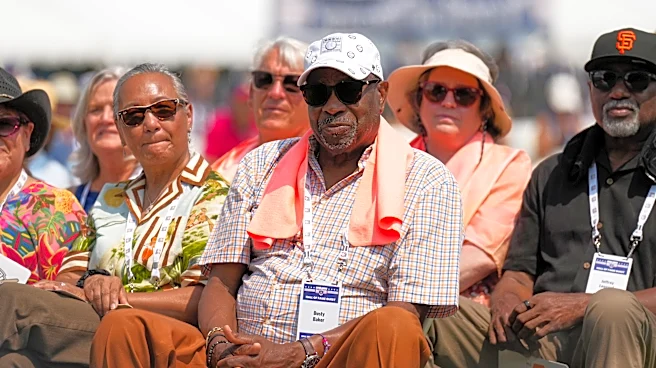
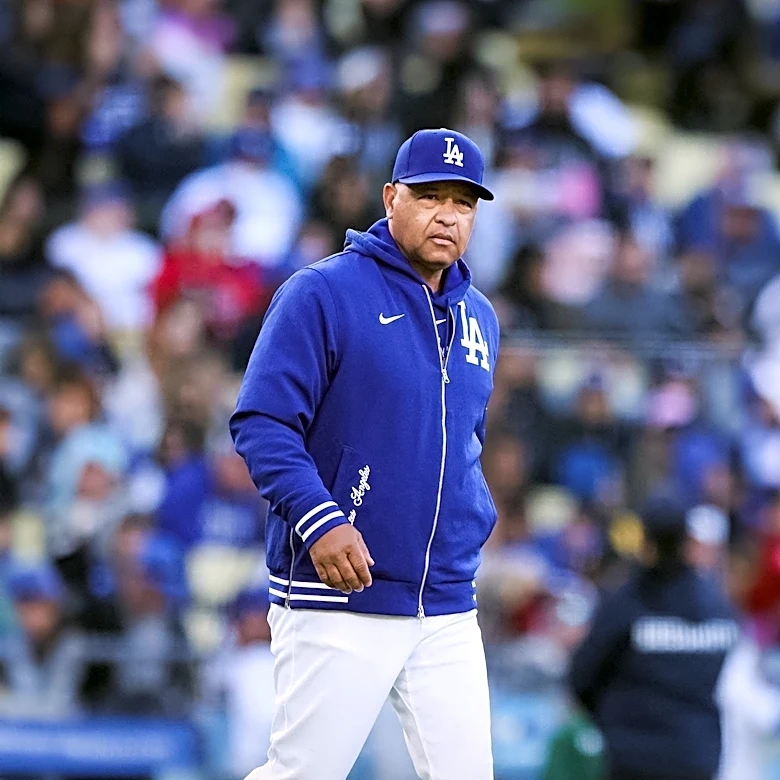
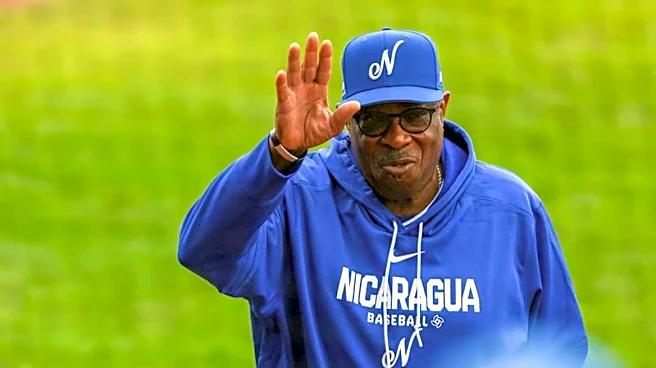
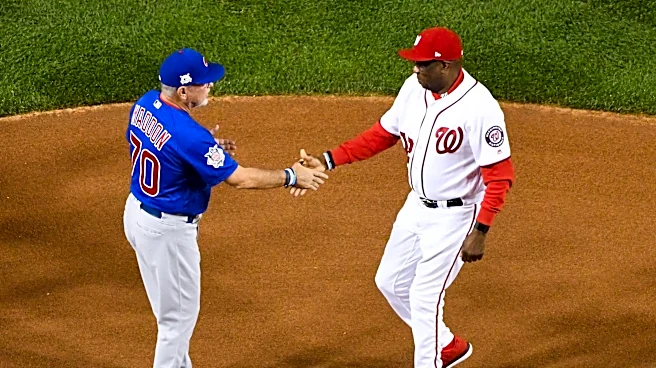
The Cubs will proceed with their convention as planned, with the specific programming contingent on the status of the potential owners' lockout. If the lockout is in effect, the convention will rely on former players and media personalities to engage fans. The broader implications for MLB include continued negotiations between owners and the Players Association regarding a new collective bargaining agreement, which is expected to address issues such as a salary cap and floor. The outcome of these negotiations will determine the availability of players for future events and the overall structure of the league's economic model. The announcement of Baseball Hall of Fame ballot results on December 6, featuring former Cubs managers Lou Piniella, Dusty Baker, and Joe Maddon, will also be a significant event for the baseball community.
Beyond the Headlines
The decision to hold a fan convention without current players reflects a deeper tension within professional sports: the balance between fan experience, player rights, and ownership interests. The historical context of labor disputes, such as the 1994 players' strike, illustrates the long-standing disagreements over salary caps and player compensation. MLB's recent 'Level the Playing Field' ad campaign, advocating for a salary cap, indicates a strategic effort by owners to influence public opinion. This approach, reminiscent of political campaigns, suggests a growing sophistication in how sports leagues manage their public image during contentious negotiations. The ongoing debate over salary structures not only impacts player earnings but also shapes the competitive landscape of the league, with potential consequences for team parity and the overall integrity of the sport.