





What's Happening?
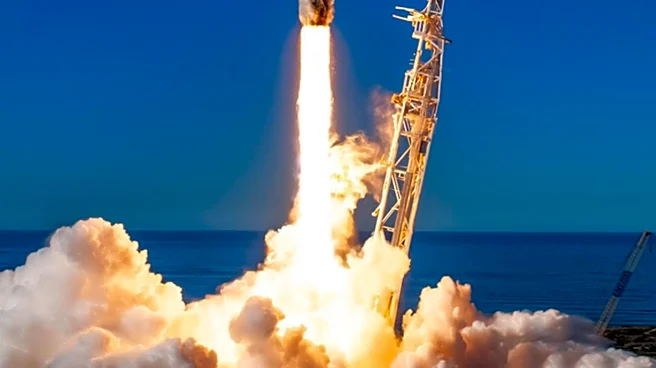
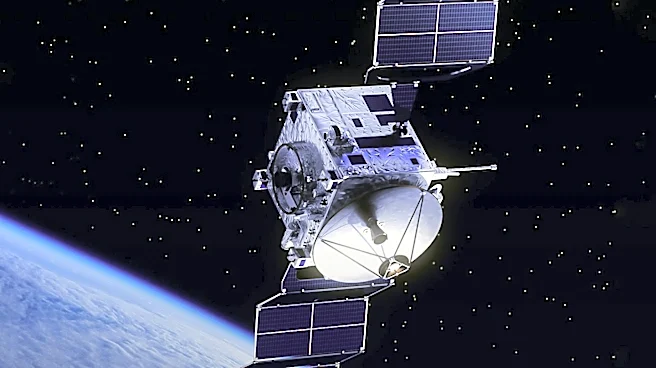
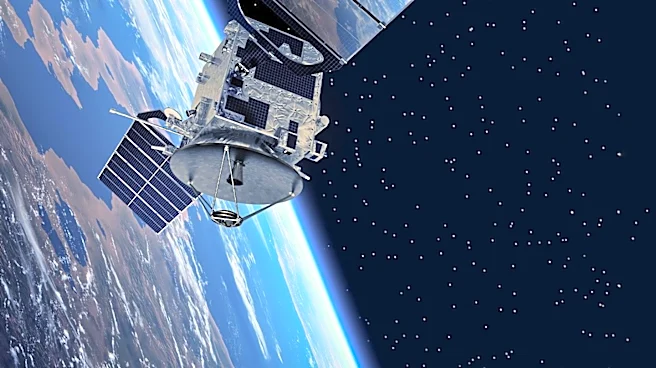
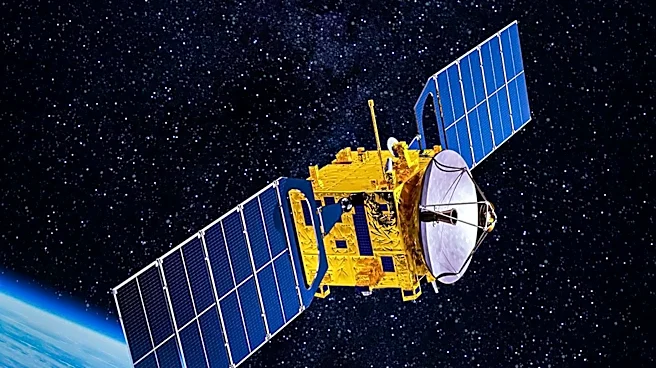
Amazon is set to commence its initial internet service using the Leo broadband satellite network later this year. This development follows the successful launch of 29 satellites from Florida, bringing the total number of satellites in orbit to over 390.
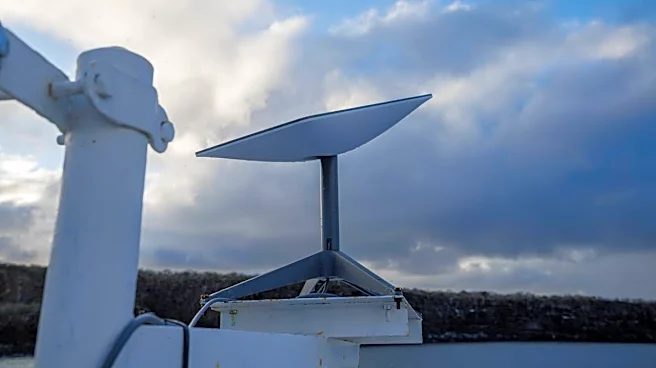
The Leo network aims to provide global internet coverage, with initial services expected to start near the Earth's poles and expand towards the equator. The network is a direct competitor to SpaceX's Starlink, which currently has around 10,000 satellites. Amazon plans to offer internet services to consumers, governments, and companies, including airlines, using Leo terminals. The company has scheduled numerous rocket launches to deploy more than 3,200 satellites, with a target service start date of mid-2026.
Why It's Important?
The launch of Amazon's Leo internet service represents a significant step in the global satellite internet market, challenging the dominance of SpaceX's Starlink. This expansion could lead to increased competition, potentially driving down costs and improving service quality for consumers. The initiative also highlights the growing importance of satellite internet in providing connectivity to remote and underserved areas, which could have substantial implications for global communication infrastructure. Additionally, the project involves significant financial investments, with Amazon having booked approximately $82 billion in rocket launches, indicating the scale and ambition of the endeavor.
What's Next?
Amazon plans to continue launching satellites to expand the Leo network, with future missions aimed at increasing coverage and capacity. The company is also working to resolve technical issues with its launch partners, such as Blue Origin and ULA, to ensure the timely deployment of its satellite constellation. As the network grows, Amazon will likely focus on establishing partnerships with various industries to integrate its internet services. The success of these efforts could influence the broader satellite internet market and shape future technological advancements in global connectivity.