




What's Happening?
Apple TV is adapting William Gibson's seminal sci-fi novel 'Neuromancer' into a ten-episode series, generating excitement and apprehension among fans. The novel, known for its complex themes and pioneering cyberpunk concepts, has been considered 'unfilmable'
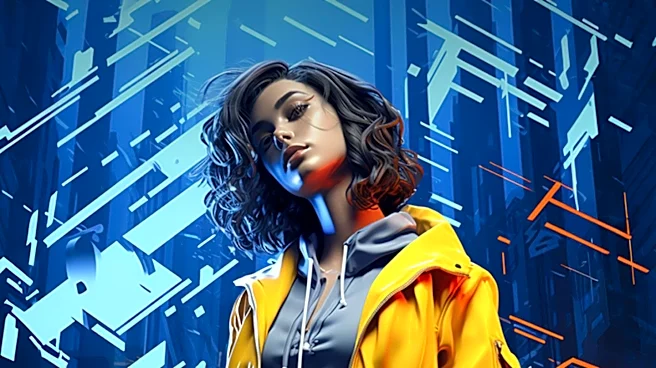
by many due to its abstract ideas. Previous attempts to adapt the book have failed, but Apple TV's project, led by J.D. Dillard and Graham Roland, aims to bring the story to the small screen. The release of the series' first poster has sparked discussions about its design and the potential changes to the novel's technology, reflecting the challenges of translating Gibson's vision into a modern context.
Why It's Important?
The adaptation of 'Neuromancer' by Apple TV is significant as it attempts to bring a foundational work of cyberpunk literature to a broader audience. The series could influence how contemporary viewers perceive the genre and its themes, such as cyberspace and artificial intelligence. Successfully adapting the novel could set a precedent for future sci-fi adaptations, encouraging more ambitious projects. However, the series must balance staying true to the novel's essence while updating its technology to resonate with today's viewers, a task that could redefine the narrative's impact and relevance.
What's Next?
As the series progresses, Apple TV will likely face scrutiny from fans and critics regarding its fidelity to the source material and its handling of the novel's complex themes. The adaptation's success could lead to further exploration of Gibson's Sprawl Trilogy, potentially expanding the universe for television. The series' reception may also influence Apple's future decisions on adapting other challenging literary works, shaping its strategy in the competitive streaming market.