






What's Happening?
Digital farming is revolutionizing row-crop agriculture by integrating connected sensors, software platforms, and automated equipment to collect and analyze data from fields. This approach moves beyond traditional manual observation and experience-based
decision-making, providing growers with actionable insights for managing crops like corn, soybeans, and wheat. The technology encompasses sensors for data collection, software for organization and analysis, connectivity tools for data transfer, decision support tools for recommendations, and automation features for direct equipment control. This shift allows for more precise input application, earlier problem detection, and improved long-term strategic planning. Rather than being a single product, digital farming is a comprehensive category of tools that growers are adopting gradually, often starting with basic data collection and expanding as they recognize its value.
Why It's Important?
The adoption of digital farming is crucial for U.S. row-crop growers as it addresses several critical challenges in modern agriculture. As farm operations expand, manual observation becomes insufficient, making digital tools essential for monitoring vast acreages. Rising input costs for seeds, fertilizers, and chemicals necessitate more precise application methods, which data-driven tools facilitate, reducing waste and improving efficiency. Furthermore, the volatility of weather patterns and commodity prices demands faster, more informed decisions, a capability enhanced by real-time data access. Modern farm equipment already generates significant data, and digital farming platforms simply harness this information, preventing it from going unused. This technological integration allows growers to optimize resource allocation, mitigate risks, and enhance profitability in an increasingly competitive and unpredictable agricultural landscape.
What's Next?
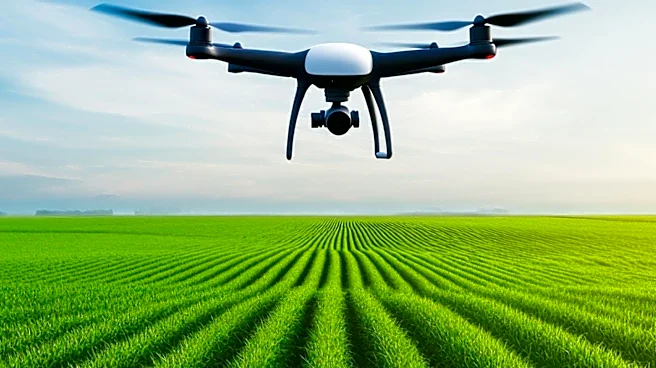
The future of digital farming for row-crop growers involves continued integration and expansion of these technologies. Growers are expected to progressively adopt more advanced applications, moving from basic data consolidation to sophisticated variable rate seeding, in-season monitoring via satellite or drone imagery, and precision spraying. The industry will likely see further development of user-friendly, mobile-compatible platforms designed to support on-field decision-making. There will also be an increased focus on interoperability between different digital farming tools and existing farm equipment, reducing the need for complete overhauls. As the benefits become more evident, more small and mid-sized operations are anticipated to invest in these scalable solutions, driven by the need to manage costs, improve yields, and enhance overall operational efficiency in U.S. agriculture.
Beyond the Headlines
Beyond the immediate operational benefits, digital farming introduces deeper implications for the agricultural sector. Ethically, it raises questions about data ownership and privacy, as vast amounts of farm data are collected and processed by third-party platforms. The shift towards data-driven agriculture could also exacerbate the digital divide, potentially leaving behind growers who lack access to technology, reliable internet, or the expertise to utilize these tools effectively. Culturally, it represents a significant evolution in farming practices, moving from generations of experiential knowledge to a reliance on analytical data, which could alter the traditional identity of a farmer. Long-term, this technology could lead to more sustainable farming practices by optimizing resource use and reducing environmental impact, but it also necessitates ongoing education and support for growers to fully leverage its potential and navigate its complexities.