




What's Happening?
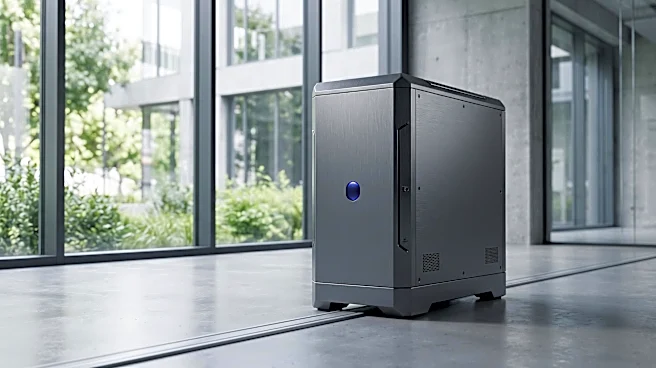
IonQ's Solteris appliance, which hosts Clarion KX platform functions, incorporates an embedded, NIST Entropy Source Validation (ESV) certified quantum random number generator (QRNG). This QRNG, certified on IID SP 800-90B, serves as a critical entropy
source for securing network corridors. The Clarion KX system provides a key-management and policy layer capable of combining external keys from Post-Quantum Cryptography (PQC) and Quantum Key Distribution (QKD) sources. This approach aims to provide earlier mitigation of cryptographic risks by enabling selected network corridors to utilize quantum-safe key material, even as native PQC migration continues across broader IT estates. The system also offers cryptographic agility, allowing for future algorithm or standards rollovers without necessitating a complete infrastructure refresh.
Why It's Important?
The integration of a NIST-certified QRNG into IonQ's Solteris appliance is a significant step in enhancing cybersecurity for U.S. enterprises and government entities. By providing genuine random numbers derived from quantum processes, the QRNG strengthens the foundation of cryptographic keys, making them more resistant to sophisticated attacks, including those from future quantum computers. This is particularly crucial for protecting long-lived data that needs to remain confidential for decades. The ability to implement quantum-safe keying ahead of full PQC migration allows organizations to address immediate vulnerabilities and reduce exposure to 'harvest-now-decrypt-later' threats. This proactive approach helps safeguard critical infrastructure and sensitive information, impacting national security and economic stability by bolstering digital defenses.
What's Next?
The adoption of solutions like IonQ's Clarion KX, with its embedded QRNG, is expected to accelerate as organizations prioritize quantum-safe security measures. The focus will likely shift towards integrating these advanced key management systems into existing network infrastructures to protect high-value data flows. Future developments may include broader standardization of quantum-safe protocols and increased collaboration between quantum technology providers and cybersecurity firms. As the threat landscape evolves with advancements in quantum computing, the demand for robust, quantum-resistant cryptographic solutions will continue to grow, driving further innovation and deployment in both public and private sectors. This will likely involve continuous updates and certifications to meet evolving security standards.
Beyond the Headlines
The deployment of NIST-certified QRNGs by companies like IonQ signifies a broader strategic shift in cybersecurity, moving from a reactive to a proactive stance against emerging threats. This development underscores the recognition that traditional cryptographic methods may eventually be vulnerable to quantum attacks, necessitating a fundamental re-evaluation of security architectures. Beyond the technical aspects, this also highlights the increasing importance of international standards and certifications, such as those from NIST, in validating the efficacy and trustworthiness of quantum technologies. The long-term implications include a more resilient digital ecosystem, but also potential challenges in ensuring equitable access to these advanced security tools and managing the transition from classical to quantum-safe cryptography across diverse global networks.