




What's Happening?
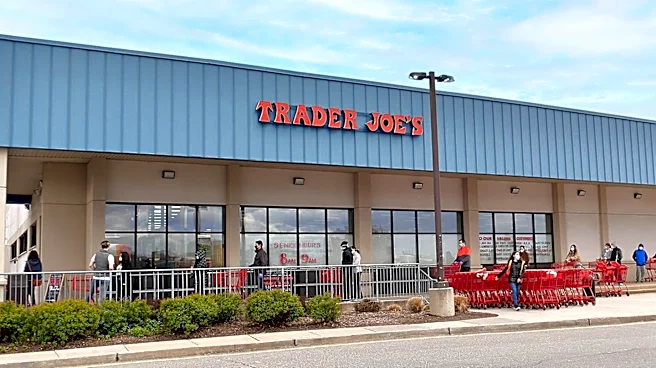
Trader Joe's is now offering Chino Valley Ranchers The Jammy Egg, a pre-cooked and pre-peeled soft-boiled egg product. Each pack contains four large eggs, priced at $3.99. These eggs are designed to provide the desired consistency of a jammy egg, featuring
solid egg whites and a creamy yolk, without the need for home preparation. The product aims to simplify meal preparation for consumers, allowing them to add the eggs directly to dishes like toast, instant ramen, or quinoa bowls. While the eggs are ready to eat, they can be warmed in boiling water for 30 seconds for those who prefer them warm. The packaging indicates an extended shelf life, with a best-by date available on the back of the package.
Why It's Important?
This product introduction by Trader Joe's highlights a growing trend in the U.S. food market towards convenience and ready-to-eat options. For consumers with busy lifestyles or limited time for cooking, these pre-prepared jammy eggs offer a quick and easy way to incorporate protein into their meals. The product caters to a specific demand for gourmet-style food items that typically require precise cooking techniques, making them accessible to a broader audience. However, the price point of approximately one dollar per egg is significantly higher than that of a dozen shelled eggs, which typically range from $2 to $7. This pricing strategy suggests that Trader Joe's is targeting a segment of consumers willing to pay a premium for convenience and consistent quality, potentially impacting the market for traditional egg sales and home cooking habits.
What's Next?
The success of Chino Valley Ranchers The Jammy Egg at Trader Joe's could influence other grocery retailers and food manufacturers to explore similar pre-cooked and specialty egg products. If consumer demand for such convenience items proves strong, it may lead to an expansion of ready-to-eat breakfast and meal components in the market. Competitors might introduce their own versions, potentially leading to increased variety and competitive pricing. Additionally, the product's reception could provide insights into consumer willingness to pay for convenience in the egg category, potentially shifting purchasing patterns away from raw eggs for certain applications. The brand's focus on extended shelf life also suggests a move towards products that offer both convenience and reduced food waste for consumers.
Beyond the Headlines
The introduction of pre-cooked jammy eggs reflects a broader cultural shift towards valuing time and convenience in daily routines. This product, while seemingly minor, underscores how food companies are adapting to modern consumer demands for efficiency and ease, even for basic food items. It also touches upon the ethical considerations of food packaging, as each egg is individually wrapped in plastic, raising questions about environmental impact and sustainability. Furthermore, the premium pricing for convenience could exacerbate economic disparities in food access, as higher-income consumers can more easily afford such time-saving products, while lower-income individuals may continue to rely on more labor-intensive, but cheaper, home cooking methods. This trend could subtly reshape culinary practices and expectations regarding meal preparation in American households.