



What's Happening?
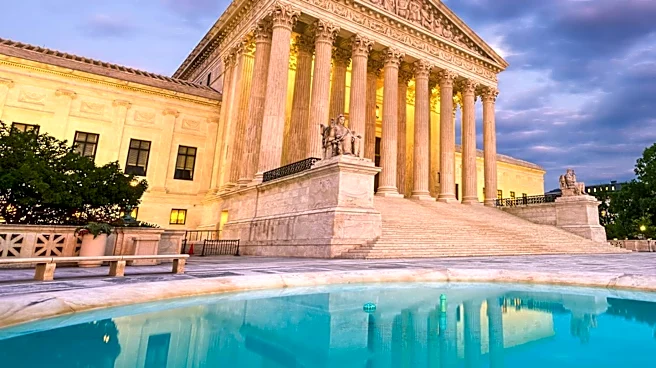
A federal appeals court, the Second Circuit, has sided with Starbucks in a dispute over dress code rules applied at its Reserve Roastery store in New York City. The court rejected a National Labor Relations Board (NLRB) finding that Starbucks' policies
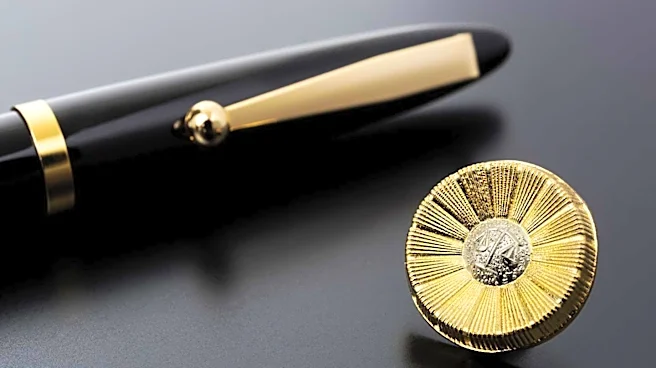
on union pins and logo shirts illegally interfered with workers' organizing rights. The case originated from a 2022 incident where employees wore union logo t-shirts, leading to an unfair labor practice charge. The NLRB's general counsel challenged three policies: a one-pin limit, a ban on political/religious/personal pins, and a requirement for pre-approved writing on shirts. While an administrative law judge initially found the one-pin rule lawful, the Board later reversed this, deeming all three policies unlawful based on its Tesla, Inc. precedent. The Second Circuit disagreed, finding the one-pin policy indistinguishable from a prior ruling in Starbucks I, which upheld a single union button limit. The court also rejected the NLRB's Tesla framework, stating it misreads Supreme Court precedent and requires a genuine balancing of employee organizing rights against employer business interests, not a strict-scrutiny test.
Why It's Important?
This ruling by the Second Circuit significantly impacts the interpretation and enforcement of workplace dress code policies concerning union insignia. By rejecting the NLRB's Tesla framework, the court re-emphasizes a more balanced approach to employee rights versus employer interests, moving away from a standard that effectively presumed employer policies were unlawful. This could provide employers with greater flexibility in establishing and enforcing dress codes, particularly regarding the display of union-related items, as long as policies are neutral and consistently enforced. For unions and employees, it means that the ability to display union insignia may face more restrictions, requiring a more nuanced legal argument to challenge employer policies. The decision also highlights the ongoing tension between federal courts and administrative agencies like the NLRB regarding the interpretation of labor law and the deference owed to agency legal interpretations.
What's Next?
The Second Circuit denied enforcement of the NLRB's order and remanded the case back to the agency. The NLRB is now directed to reevaluate the pin-issue and shirt-logo policies under a properly balanced standard. This standard will require weighing the extent of any restriction on workers' rights, whether the policy is neutral and consistently enforced, and the surrounding circumstances. The court also flagged that the NLRB's remedial order appeared broader than its findings justified and asked the agency to narrow it accordingly on remand. This means the NLRB will need to adjust its approach to these types of cases, potentially leading to new guidance or revised precedents that align with the Second Circuit's interpretation of a balanced standard. Employers should monitor these developments closely as they could influence future dress code policies and labor relations strategies.
Beyond the Headlines
The Second Circuit's decision to reject the NLRB's Tesla framework outright, aligning with a prior Fifth Circuit ruling, signals a growing judicial skepticism towards the Board's recent interpretations of labor law. This trend could lead to a broader re-examination of administrative law principles, particularly concerning the deference courts give to agency legal interpretations, as noted by the court's reference to Loper Bright Enterprises v. Raimondo. The ruling underscores a fundamental debate about the balance of power between federal agencies and the judiciary, and how that balance impacts the rights of both employees and employers. It also highlights the evolving nature of workplace rights in the context of union organizing, where the visual expression of union support through dress codes becomes a battleground for broader legal and ideological conflicts.