







What's Happening?
Associated Wholesale Grocers, Inc. (AWG) has announced a significant expansion of its private brands program, AWG Family of Brands, introducing a wide array of new products. This rollout aims to provide independent retailers with budget-friendly, convenient,
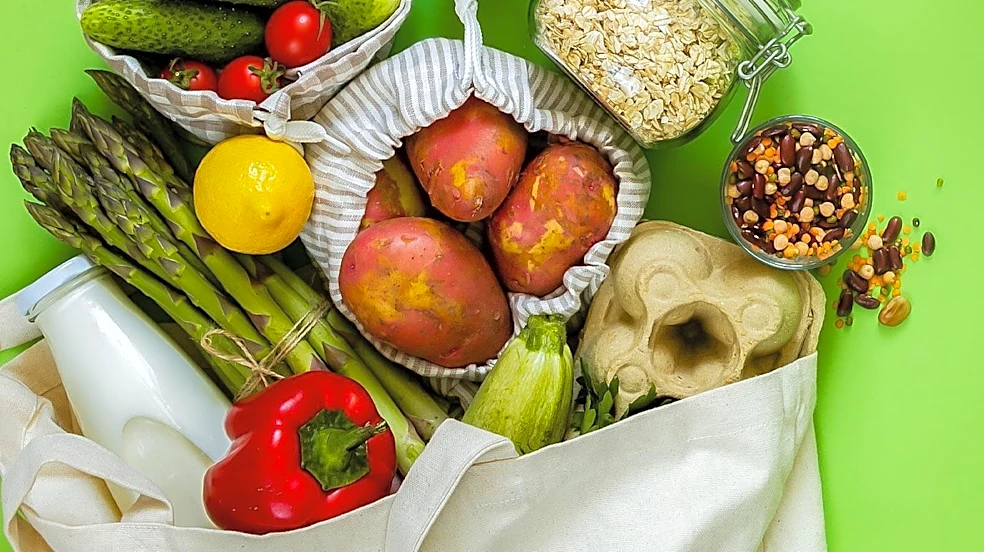
and health-conscious options for consumers ahead of the fall, tailgating, and holiday seasons. The expansion includes over 250 new items under the Full Circle Market brand, catering to health-conscious shoppers with organic, gluten-free, protein-added, and plant-based products. Other additions span various categories, including elevated culinary options like imported pasta, convenient meal solutions such as Asian-inspired meal starters and protein mac & cheese, and everyday value items like bulk half & half and canned vegetables. The product development is informed by market research and sales analytics, tracking emerging trends like the growth in meat snacks and demand for high-protein alternatives.
Why It's Important?
This product expansion by AWG is significant for the U.S. grocery market, particularly for independent retailers who rely on wholesalers for competitive product offerings. By introducing a broad range of budget-friendly and trend-aligned items, AWG is enabling these retailers to better compete with larger chains and meet evolving consumer demands. The focus on 'better-for-you' options, including plant-based and organic products under the Full Circle Market brand, reflects a growing consumer preference for healthier and more sustainable food choices. This move can help independent grocers capture a larger share of this market segment. Furthermore, the emphasis on convenience and value addresses key consumer needs in a dynamic economic environment, where shoppers are often looking for quick meal solutions and ways to stretch their grocery dollars. The data-driven approach to product development suggests a strategic effort to align offerings with current market trends, which can lead to increased sales and customer loyalty for AWG's member retailers.
What's Next?
The new products are currently being rolled out to AWG member retailers, with many items already on shelves and more expected throughout the end of the year. Consumers can anticipate a wider selection of private-label options in independent grocery stores, particularly in the health-conscious, convenience, and value categories. This expansion may lead to increased competition within the private-label market, potentially prompting other wholesalers and retailers to enhance their own store brand offerings. AWG's continued use of market research and sales analytics suggests that future product developments will remain responsive to emerging consumer trends. The success of this rollout will likely influence AWG's long-term strategy for its private brands, potentially leading to further diversification and innovation in its product portfolio to support its network of independent supermarkets.
Beyond the Headlines
The expansion of private label brands like AWG's Full Circle Market reflects a broader shift in consumer trust and perception. Historically, private labels were often seen as lower-quality, budget alternatives. However, with increased focus on quality, specific dietary needs (like gluten-free or plant-based), and transparent sourcing, private brands are increasingly becoming competitive with national brands. This trend empowers independent retailers, allowing them to offer unique products that build customer loyalty and differentiate them from larger competitors. It also signifies a democratization of access to 'better-for-you' products, making organic, plant-based, and other health-conscious options more affordable and accessible to a wider range of consumers. This could have long-term implications for public health by making healthier eating more attainable. Furthermore, the data-driven approach to product development highlights the increasing sophistication of the retail industry in leveraging analytics to meet precise consumer demands, moving beyond traditional product development cycles.