




What's Happening?
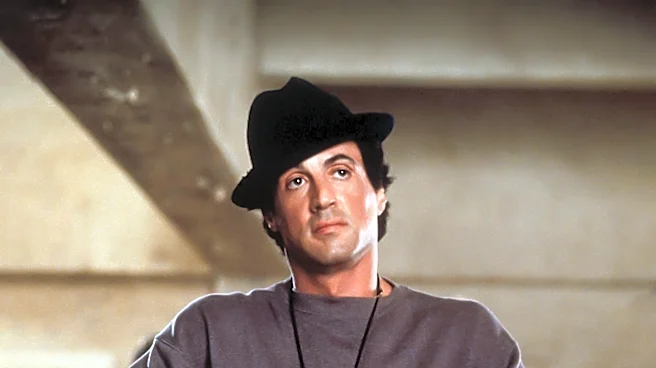
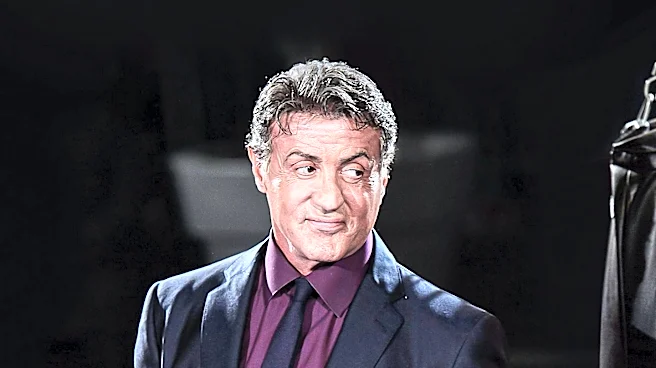
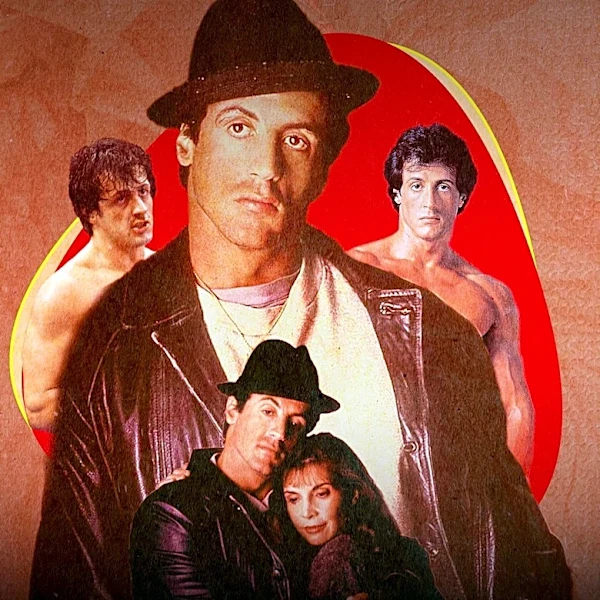
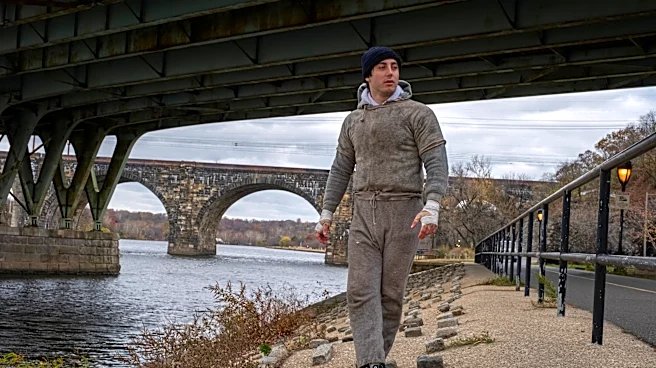
A new film titled 'I Play Rocky' is set to revisit the extraordinary circumstances behind the creation of the 1976 classic 'Rocky.' The biopic, directed by Oscar winner Peter Farrelly, stars Anthony Ippolito as Sylvester Stallone and P.J. Byrne as producer
Irwin Winkler. The movie details Stallone's early struggles as a nearly penniless actor and screenwriter, his financial hardships, and his unwavering determination to portray the title character himself. Despite lucrative offers for his screenplay, Stallone famously refused to sell it unless he was cast as Rocky Balboa, a decision that put his financial future at significant risk. Producers Irwin Winkler and Robert Chartoff ultimately took a considerable financial and professional gamble, even mortgaging their homes, to bring Stallone's vision to life. The film highlights Stallone's perseverance, his belief in his work, and the crucial role of those who recognized his potential against industry skepticism. 'I Play Rocky' also touches on Stallone’s personal life, including his relationship with his first wife, Sasha, and his fractured relationship with his father, which influenced the 'Rocky' story. The film is scheduled to debut in select theaters on November 6 and will be in theaters everywhere on November 20.
Why It's Important?
The release of 'I Play Rocky' is significant as it re-examines a pivotal moment in Hollywood history and the career of one of its most enduring stars. The film underscores the power of conviction and self-belief in the face of overwhelming odds, a narrative that resonates deeply within the entertainment industry and beyond. For aspiring artists and creators, Stallone's story, as depicted in the biopic, serves as a powerful testament to the importance of maintaining creative control and fighting for one's vision, even when it means rejecting substantial financial gain. The film also sheds light on the often-risky nature of film production, showcasing the courage of producers like Winkler and Chartoff who invested in an unknown talent and an unconventional project. This narrative can inspire discussions about the balance between artistic integrity and commercial viability in filmmaking. Furthermore, the enduring appeal of the 'Rocky' story, nearly 50 years later, highlights its cultural impact and its status as a quintessential American underdog tale, reinforcing themes of perseverance and the pursuit of dreams.
What's Next?
Following its limited release on November 6 and wider release on November 20, 'I Play Rocky' will be subject to critical and public reception, which could influence future biopics about iconic Hollywood figures. The film's success may encourage studios to invest in more stories that delve into the behind-the-scenes struggles and triumphs of classic films and their creators. For Anthony Ippolito, portraying a young Sylvester Stallone in such a high-profile role could be a career-defining moment, potentially leading to more significant opportunities in the industry. The film's narrative, emphasizing faith and perseverance, may also spark renewed interest in the original 'Rocky' film and its enduring themes. Additionally, the biopic could reignite conversations about Sylvester Stallone's legacy, both as an actor and a writer, and his influence on American cinema. The film's exploration of the sacrifices made for artistic integrity might also prompt discussions among filmmakers and industry executives about supporting emerging talent and unconventional projects.
Beyond the Headlines
Beyond the immediate narrative of Stallone's rise, 'I Play Rocky' delves into deeper implications concerning the nature of self-mythologizing in Hollywood and the curation of public image. While the film is presented as a 'love letter' to Stallone's journey, it implicitly raises questions about how artists' life stories are told and potentially reinterpreted over time. Stallone himself has been noted for curating his public image and selectively recounting details of his career, sometimes omitting less flattering aspects. This biopic, while not directly controlled by Stallone, contributes to the ongoing narrative surrounding his legacy. The film's focus on the 'underdog' aspect of Stallone's story reinforces a powerful cultural archetype, but it also invites reflection on the complexities of fame, ambition, and the often-blurred lines between an artist's public persona and their private reality. The enduring fascination with the 'making of' stories like 'Rocky' speaks to a broader cultural interest in the human element behind creative masterpieces and the sacrifices involved in achieving artistic vision.