


What's Happening?
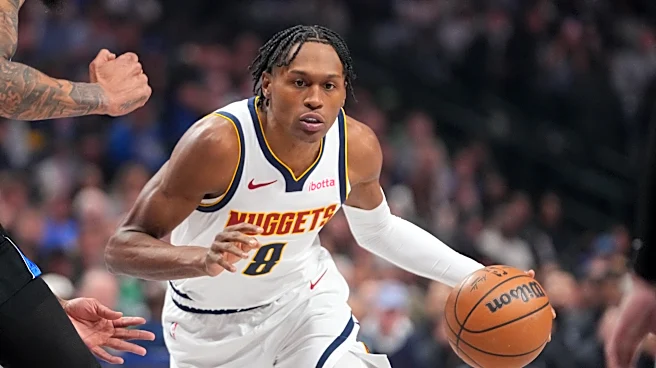
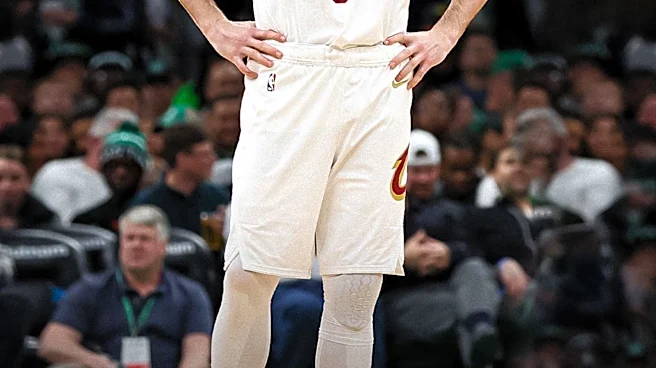
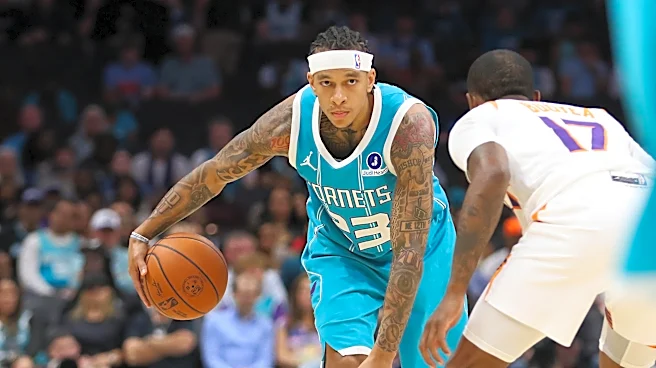
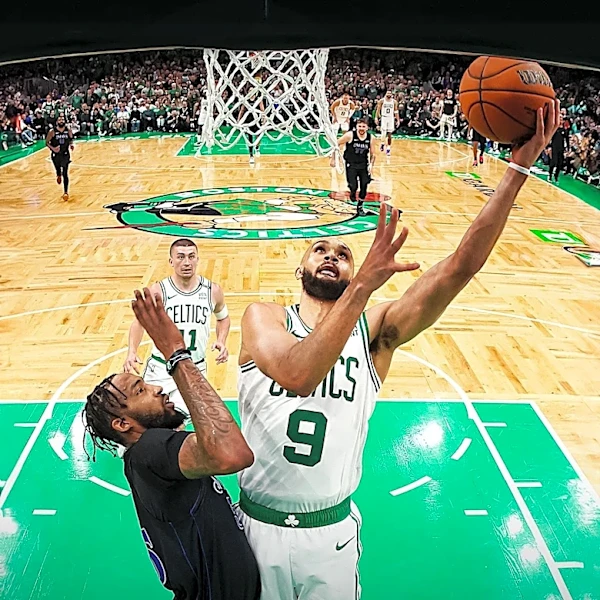
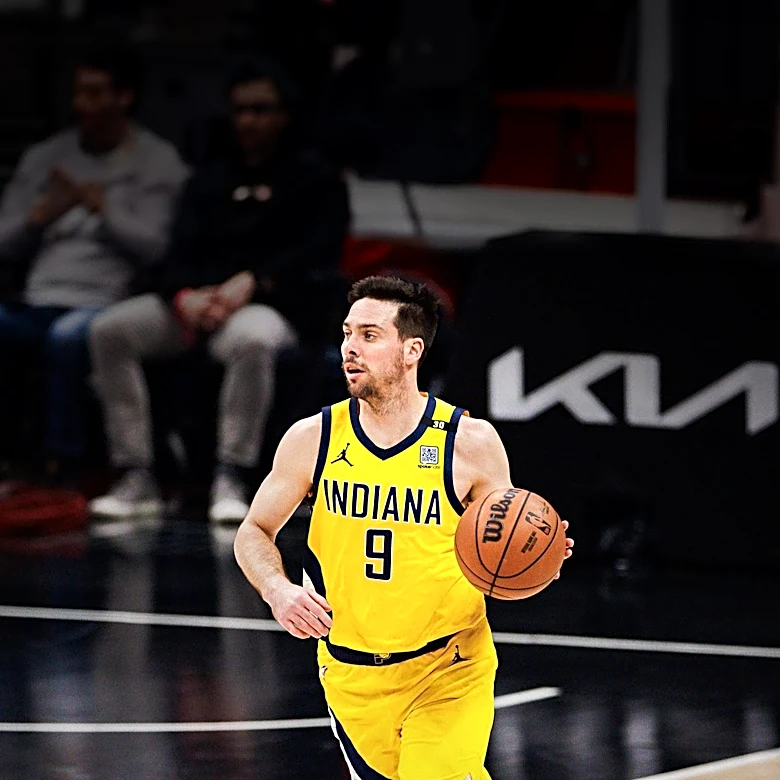
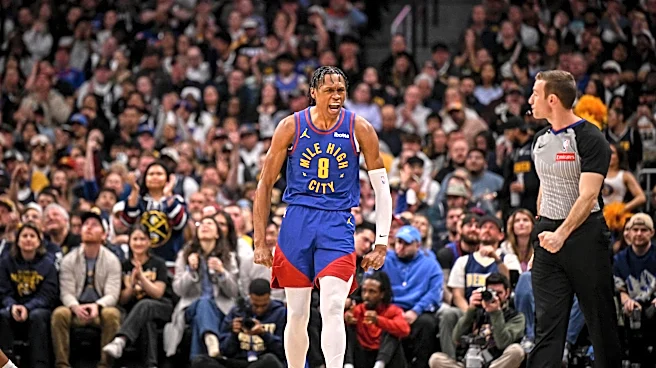
The Denver Nuggets have completed a sign-and-trade deal, sending Peyton Watson to the Cleveland Cavaliers. This transaction, reported by Shams Charania of ESPN, involves Watson signing a new four-year, $88 million contract with Cleveland. In return, the Nuggets will
receive the Cavaliers' unprotected 2031 first-round pick and the Sacramento Kings' 2032 second-round pick. This move follows a period of uncertainty regarding Watson's future with Denver, as the team had declined to offer him an extension last year. Watson had previously stated his intention to operate as a business and seek the most lucrative offer available. The Nuggets' decision is largely attributed to their limited financial flexibility and an unwillingness to incur significant luxury tax penalties, which would have been substantial if they had retained Watson at market value.
Why It's Important?
This trade has significant implications for the Denver Nuggets' immediate and long-term prospects. The departure of Peyton Watson, along with Tim Hardaway Jr., means the Nuggets have lost their two best scoring threats from the bench, totaling 28 points per game. This raises concerns about the team's ability to compete for another championship, especially as Nikola Jokic's prime continues. The return of future draft picks, while potentially valuable, does not offer immediate roster improvement, leading to a perception that the organization is prioritizing financial savings over maximizing its championship window. For the Cleveland Cavaliers, acquiring Watson strengthens their roster with a promising young player, while the Nuggets face the challenge of replacing key offensive production and maintaining their competitive edge in the Western Conference.
What's Next?
The Denver Nuggets are now tasked with filling the void left by Watson and Hardaway Jr. They currently have one roster slot open, even if Lonnie Walker IV's Exhibit 10 contract is converted to a fully guaranteed deal. Internal options include Julian Strawther, who is entering his fourth season and has shown promise as a shooter. The Nuggets are also reportedly pursuing six-time All-Star DeMar DeRozan, though his age and potential salary demands could be hurdles. Another strategy could involve a philosophical shift towards a more defensively focused bench, potentially utilizing newly signed Alpha Diallo. The success of these moves will determine the Nuggets' competitiveness in the upcoming seasons and their ability to contend for another NBA title.
Beyond the Headlines
The Peyton Watson trade underscores a growing tension in the NBA between team competitiveness and financial prudence, particularly for teams operating above the salary cap and facing luxury tax implications. The Nuggets' decision to trade a player they developed for four seasons, rather than incur substantial tax penalties, highlights the restrictive nature of the current NBA cap rules. This situation could influence how other teams approach player development and retention, especially for promising young talent nearing free agency. The long-term impact of prioritizing financial flexibility over immediate championship contention will be a key narrative to watch for the Nuggets, potentially setting a precedent for how teams manage their rosters in an increasingly expensive league environment.