




What's Happening?
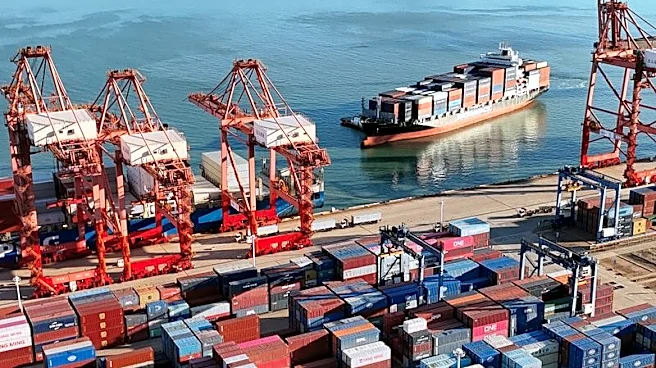
China's foreign trade has experienced significant growth in both scale and quality, despite external economic challenges and global shifts. In the first three quarters of the year, total goods imports and exports grew by 18.8% year-on-year, with growth accelerating
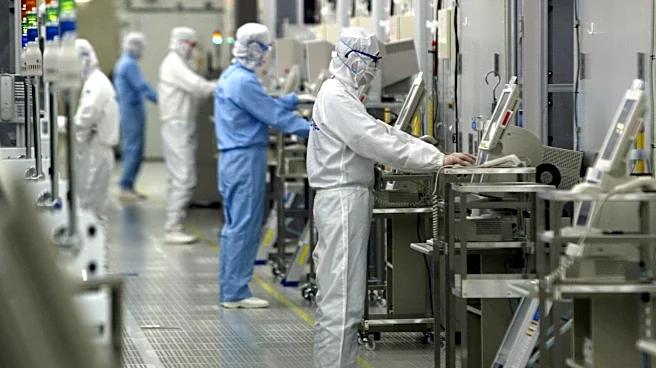
each quarter. China has become a major trading partner to 169 countries and regions, demonstrating strong market diversification efforts. This robust performance is attributed to rapid industrial innovation, particularly in emerging industries such as artificial intelligence, new energy, and new materials, which contributed over half of the increase in industrial output. Exports of green products, including electric vehicles, lithium-ion batteries, and wind turbines, saw substantial increases of 72.3%, 36.4%, and 22.4% respectively. Integrated circuit exports also surged by 99.1%. Concurrently, China's imports rose by 22.3% in the first three quarters, indicating strong domestic demand for intermediate goods, raw materials, and international products. The composition of traded goods is optimizing, driven by industrial transformation, green innovation, and high-tech manufacturing.
Why It's Important?
China's surging foreign trade and its focus on high-quality development inject powerful momentum into the global economy, but also have significant implications for the U.S. and its trade relationships. The rapid growth in China's green product exports, such as electric vehicles and renewable energy components, positions China as a dominant player in critical future industries, potentially challenging U.S. competitiveness in these sectors. The diversification of China's trade partners and its strengthening trade resilience suggest a reduced reliance on traditional markets, which could alter global supply chains and trade dynamics. For U.S. businesses, this means increased competition in high-tech and green sectors, and a need to adapt to evolving global trade corridors. The continued vitality of industrial innovation in China underscores its strategic economic planning and investment in advanced manufacturing, which could further widen the technological gap in certain areas if the U.S. does not accelerate its own innovation efforts. This shift also highlights the ongoing debate about global trade imbalances and the impact of China's export-driven growth on other economies.
What's Next?
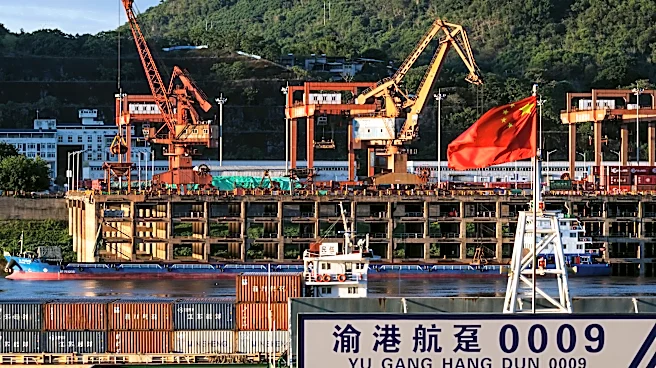
China is set to further expand its advantages in foreign trade through more favorable opening-up policies, including free trade agreements, zero-tariff policies for 63 countries, and enhanced visa-free transit. Logistics channels are also becoming more efficient with the steady operation of the China-Europe Railway Express and expanded multimodal transport. Market diversification will continue as Chinese companies adapt to personalized global consumer demands. For the U.S., this implies a need to closely monitor these developments and potentially adjust its trade policies and strategies to remain competitive. The U.S. may need to explore new trade agreements, invest further in domestic innovation, and strengthen its own supply chains to counter the growing influence of China's trade network. The ongoing evolution of China's trade landscape will likely lead to continued discussions and potential policy responses from the U.S. regarding trade balances, intellectual property, and market access.
Beyond the Headlines
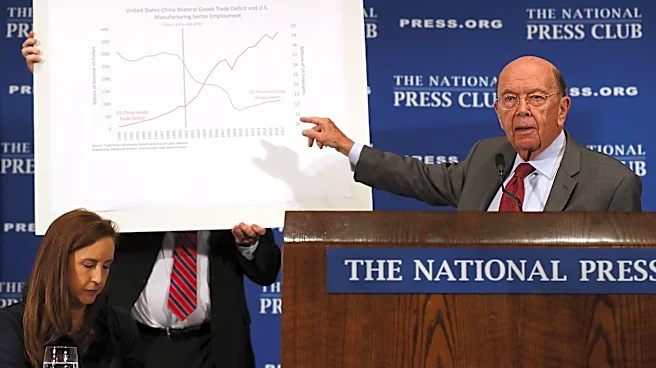
The narrative of China's foreign trade surge goes beyond mere economic statistics; it reflects a strategic national effort to achieve high-quality development and global economic leadership. The emphasis on green products and high-tech manufacturing indicates a deliberate shift away from traditional labor-intensive goods, positioning China at the forefront of future industries. This has profound implications for global technological competition and environmental policy, as China's advancements could set new international standards. Ethically, the rapid expansion raises questions about intellectual property rights and fair competition, particularly in emerging technologies. Culturally, it signifies a growing confidence and assertiveness in China's economic model on the global stage. The long-term impact could be a reordering of global economic power, with China playing an even more central role in shaping international trade norms and technological advancements, challenging the existing U.S.-led economic order.