




What's Happening?
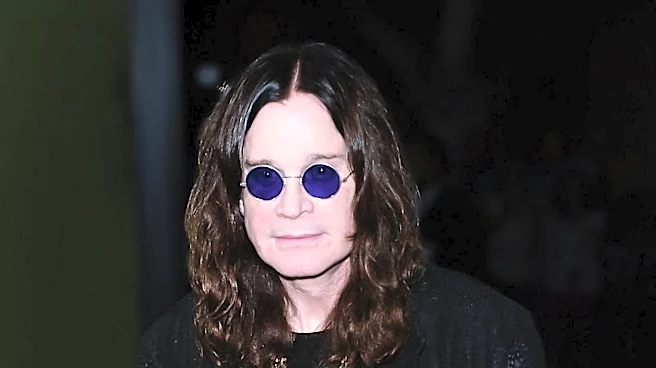
Jack Osbourne, son of legendary Black Sabbath singer Ozzy Osbourne, recently clarified his father's role in songwriting. In an interview with The HoneyDew With Ryan Sickler podcast, Jack Osbourne stated that Ozzy Osbourne never claimed to have written
all the music and lyrics for his albums, both during his time with Black Sabbath and in his solo career. This statement addresses a common perception or misconception regarding Ozzy Osbourne's creative input. The discussion arose in the context of an interview where Jack Osbourne was asked about his father's lyrical contributions to his recorded songs. This clarification provides insight into the collaborative nature of music creation within the rock and metal genres, particularly for a prominent figure like Ozzy Osbourne.
Why It's Important?
This clarification from Jack Osbourne is important for several reasons within the music industry and for fans of Ozzy Osbourne and Black Sabbath. It helps to set the record straight regarding the creative process behind some of rock's most iconic music, potentially dispelling long-held beliefs about sole authorship. For musicians and songwriters, it underscores the often-collaborative environment of album production, where multiple individuals contribute to the final product. For fans, it offers a more nuanced understanding of their favorite artists' work, acknowledging the contributions of various talents involved in creating the music. This insight can also influence how music history is perceived and taught, emphasizing teamwork over individual genius in certain contexts. Furthermore, it highlights the ongoing public interest in the behind-the-scenes aspects of music creation, even decades after the music's release.
What's Next?
While this clarification from Jack Osbourne is a retrospective statement, it may prompt further discussions and analyses within music journalism and fan communities regarding the songwriting credits of Ozzy Osbourne's extensive catalog. It could lead to renewed interest in interviews with other musicians and collaborators who worked with Ozzy Osbourne, potentially shedding more light on the creative dynamics of those periods. This statement might also encourage a broader conversation about the complexities of attributing songwriting in the music industry, especially for artists with long and varied careers. For Jack Osbourne, this interview contributes to his public persona as a commentator on his family's legacy, and he may continue to share insights into his father's career in future appearances or projects.
Beyond the Headlines
Beyond the immediate clarification, this story touches upon the broader theme of artistic legacy and public perception. In the music world, the narrative surrounding an artist's creative process can significantly shape their legacy. When an artist is widely believed to be the sole creator of their work, it can elevate their status, but it can also obscure the contributions of others. Jack Osbourne's statement subtly challenges this singular narrative, promoting a more accurate, and perhaps more humble, view of his father's role. This also highlights the ethical considerations of crediting in creative industries, where the lines between inspiration, collaboration, and sole authorship can often be blurred. It serves as a reminder that even the most iconic figures often rely on a network of talent to achieve their artistic vision, and acknowledging these contributions is crucial for a complete understanding of their work.