

What's Happening?
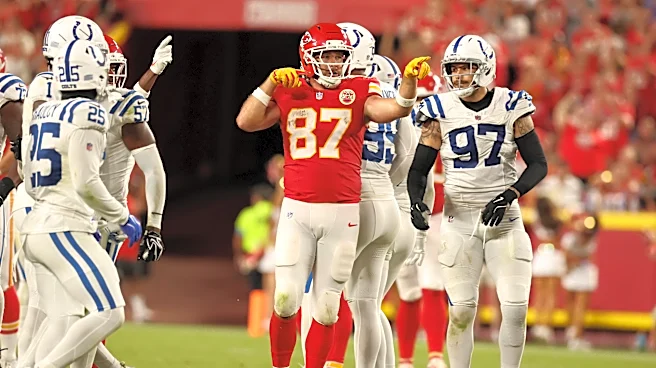
Kansas City Chiefs tight end Travis Kelce has publicly called on NFL Commissioner Roger Goodell to implement a league-wide mandate for natural grass fields, citing player safety concerns. This appeal follows a recent game in Nashville where players, including
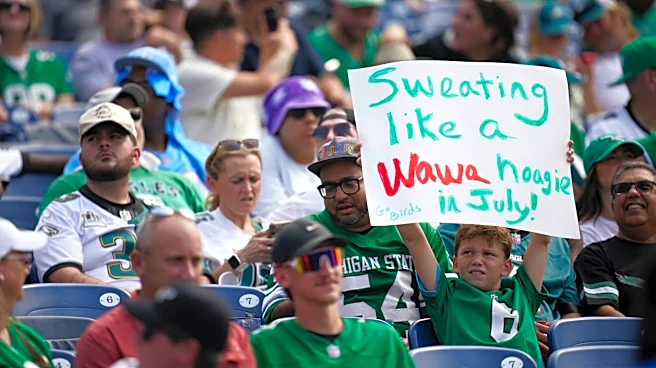
those from the Philadelphia Eagles and Tennessee Titans, contended with extreme heat conditions on an artificial turf field. Reports indicated that the on-field temperature reached a staggering 157 degrees Fahrenheit (69 degrees Celsius), causing plastic cleats to melt. Kelce expressed strong disapproval, stating, “You shouldn’t be allowed to put players on a field that does that. Why is that even allowed? It’s so insane to me that you’re allowed to put the product in a situation like that. The NFL has got to figure something out for that. That’s insane.” He emphasized that the financial considerations of maintaining natural grass should not outweigh player well-being, especially given the ongoing concerns about non-contact injuries on artificial surfaces.
Why It's Important?
This call from a prominent player like Travis Kelce highlights a critical and long-standing issue within the NFL regarding player safety and playing surfaces. The debate between artificial turf and natural grass has significant implications for player health, career longevity, and the overall integrity of the sport. Artificial turf fields are often chosen for their lower maintenance costs and durability, but they are frequently associated with a higher incidence of injuries, particularly non-contact ones, and can exacerbate extreme weather conditions as seen in the Nashville game. A shift to natural grass fields across the league would represent a substantial financial investment for team owners but could lead to a reduction in player injuries, improving athlete welfare and potentially extending careers. This issue also touches upon the league's responsibility to its players and the balance between economic considerations and health and safety standards, impacting the perception of the NFL among fans and players alike.
What's Next?
Following Travis Kelce's public plea, the NFL and Commissioner Roger Goodell are likely to face increased pressure to address the issue of playing surfaces. While a direct and immediate mandate for natural grass fields might be a complex undertaking due to existing stadium contracts and financial implications, the league could initiate further studies into the safety differences between artificial turf and natural grass. Discussions with the NFL Players Association (NFLPA) are also probable, as player safety is a key concern for the union. Teams with artificial turf fields may need to re-evaluate their stadium infrastructure and consider the long-term benefits of transitioning to natural grass, despite the higher upfront and maintenance costs. This renewed attention could lead to policy changes, incentives for teams to adopt natural grass, or stricter regulations for artificial turf fields to mitigate risks, especially in extreme weather conditions.
Beyond the Headlines
The debate over playing surfaces extends beyond immediate player safety to broader ethical and economic considerations within professional sports. The financial incentives for maintaining artificial turf, such as reduced upkeep and increased versatility for non-football events, often clash with the well-being of the athletes who perform on these surfaces. This situation underscores a tension between profit motives and human capital investment in professional sports. Furthermore, the incident in Nashville highlights the impact of climate change on sports, as rising temperatures make artificial turf fields even more hazardous. A league-wide shift to natural grass could set a precedent for other sports leagues and organizations to prioritize athlete health over cost-saving measures, potentially influencing stadium design and maintenance practices globally. It also raises questions about the long-term health consequences for players who spend their careers on artificial turf, prompting a re-evaluation of industry standards and responsibilities.