






What's Happening?
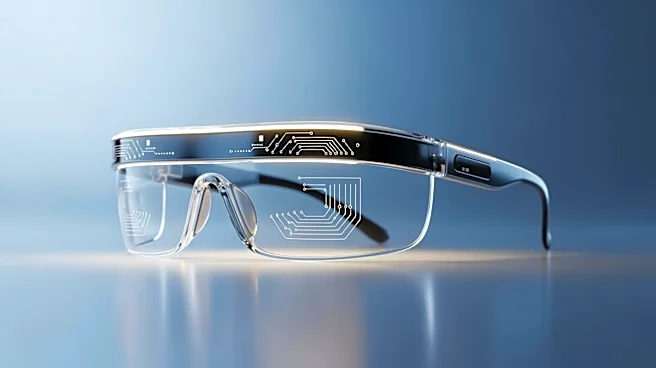
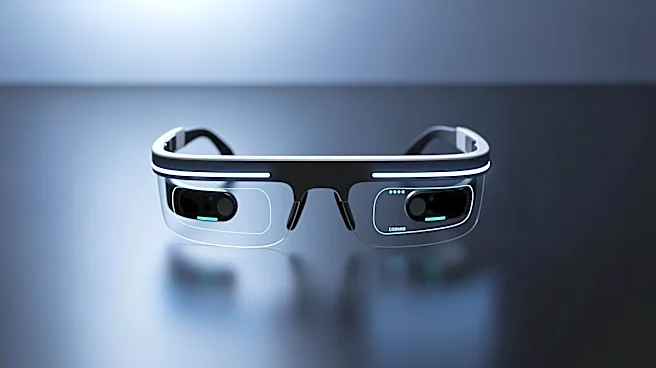
At the Augmented World Expo (AWE) 2026, Snap unveiled its new augmented reality glasses, SPECS, with a price tag of $2,195. The presentation, led by CEO Evan Spiegel, described the glasses as akin to a 'phone accessory or an open-ear headphone,' which
has sparked significant backlash among developers and privacy advocates. The description has been perceived as prioritizing lifestyle and fashion over technical capabilities, causing concern among XR engineers who expected a focus on developer-friendly features. The glasses are positioned as a premium product, with a standalone design that reduces dependency on smartphones. This strategic choice has divided opinions, with some praising the design and comfort, while others worry about the implications for developer support and privacy due to always-on sensors.
Why It's Important?
The introduction of SPECS at a high price point and with a lifestyle-oriented marketing approach highlights a strategic shift for Snap, potentially impacting the augmented reality market. By focusing on design and consumer appeal, Snap may attract fashion-forward consumers and lifestyle brands, but risks alienating developers who are crucial for building a robust app ecosystem. The backlash from developers suggests a potential challenge in gaining support from the tech community, which could affect the long-term success of the product. Additionally, privacy concerns related to the always-on sensors could influence public perception and regulatory scrutiny.
What's Next?
As SPECS are set to launch in Fall 2026, Snap will need to address the concerns raised by developers and privacy advocates to ensure a successful market entry. The company may need to enhance developer support and clarify privacy measures to build trust and encourage app development. The reaction from consumers and the tech community will be critical in determining the product's success. Snap's ability to balance lifestyle appeal with technical functionality will likely shape its competitive position in the augmented reality market.