





What's Happening?
A casting call for a comedy musical titled "George Floyd the Musical" has ignited widespread condemnation across Broadway, leading to an apology and ban from Playbill, a prominent theater publication. The advertisement sought comedic singers and rappers
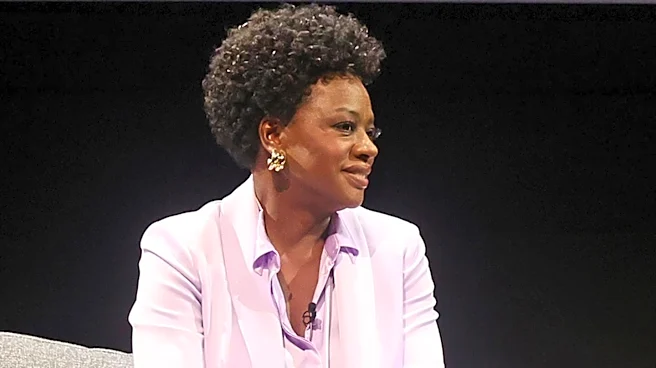
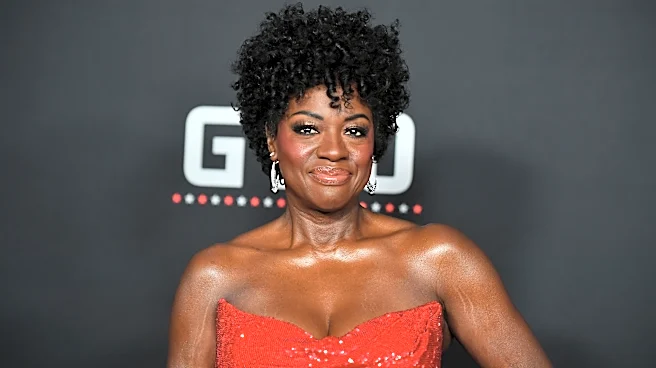
for a production inspired by George Floyd's 2020 killing by a police officer. Oscar winner Viola Davis expressed disbelief, wishing she had been present when the idea was first proposed, while "Snow White" star Rachel Zegler labeled the project "so, so insanely awful." Veteran Broadway actress Donna Murphy called it offensive and disturbing, and former CNN anchor Don Lemon questioned the humor in Floyd's final moments. Playbill removed the listing, issuing a strong apology and banning the company, Busted Broadway, from its platform and editorial coverage. Busted Broadway, an independent New Jersey-based record label, insists the project is a satire on culture rather than a mockery of Floyd or his death, and is intended as a concept album, not a stage production.
Why It's Important?
This incident highlights a significant tension within the American theater community regarding artistic freedom versus ethical responsibility, particularly when dealing with sensitive and tragic real-world events. The immediate and forceful backlash from prominent figures like Viola Davis and Rachel Zegler, alongside Playbill's decisive action, underscores the industry's evolving standards for what is considered acceptable and respectful. The controversy also brings to light the ongoing debate about satire's boundaries, especially when it touches upon racial injustice and police brutality, issues that have deeply impacted U.S. society. The incident could influence future casting and production guidelines within the theater industry, potentially leading to stricter vetting processes for controversial projects and a greater emphasis on social sensitivity. It also reflects a broader societal conversation about how art should engage with trauma and historical events, and who has the authority to interpret and represent such narratives.
What's Next?
The immediate consequence is Playbill's ban on Busted Broadway, which will restrict the company's access to a major industry platform for casting and promotion. Busted Broadway, however, maintains that "George Floyd the Musical" is intended as a concept album, not a stage production, suggesting they may proceed with its development outside traditional Broadway channels. The controversy is likely to fuel further discussions within the theater community about the ethics of satirical works, particularly those addressing recent tragedies and social justice issues. This could lead to increased scrutiny of new productions and potentially influence funding decisions or collaborations for companies known for provocative content. The contrasting reactions to this project and the ongoing "Slam Frank" musical, which parodies Anne Frank's story, indicate a continuing debate about where the line between provocative satire and exploitation lies, and how different historical traumas are perceived and represented in art.
Beyond the Headlines
The controversy surrounding "George Floyd the Musical" delves into deeper ethical and cultural implications concerning the commodification of trauma and the limits of artistic expression. The project's promotional poster, featuring an illustration of Floyd with the tagline "The $20 Bill That Changed the World," has been widely criticized for trivializing a profound moment of racial injustice. This raises questions about whether certain events are too sacred or too recent to be subjected to comedic interpretation, especially when the victims and their communities are still grappling with the pain. The creators' defense of the musical as a satire on culture rather than the individual highlights a recurring tension between an artist's intent and the audience's reception, particularly when dealing with issues of race and power. The incident also reflects a broader societal struggle to reconcile freedom of speech with the imperative to avoid causing harm or perpetuating insensitivity, particularly in a country still deeply divided by racial issues.