


What's Happening?
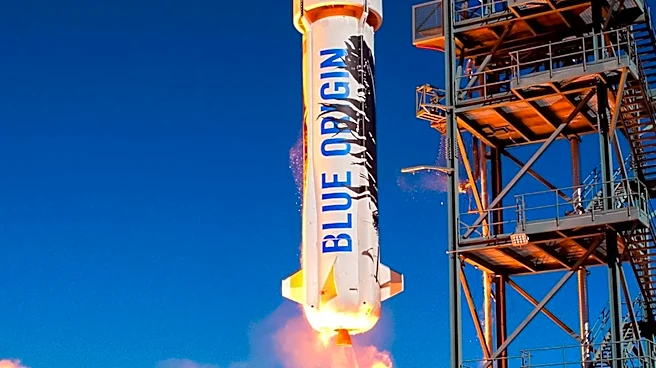
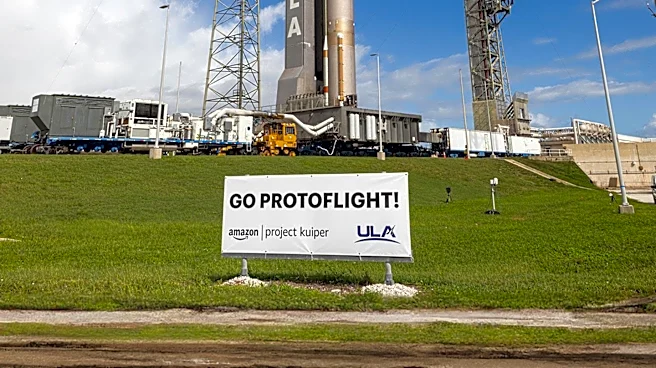
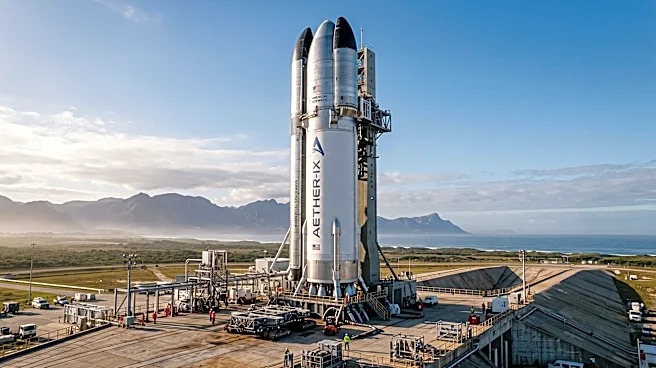
United Launch Alliance (ULA) has indicated that the failure of its Vulcan Centaur rocket, which resulted in the loss of 40 Amazon Leo satellites, was due to insufficient fuel delivery to the first-stage engines, rather than a malfunction of the Blue Origin-supplied
BE-4 engines themselves. The anomaly occurred approximately 10 minutes after launch, preventing the second stage from reaching the required speed and altitude to deploy the satellites. Preliminary analysis suggests that the problem lies within the fuel supply system, including tanks, pressure, and fuel flow paths, rather than the BE-4 engines. Dave Limp, CEO of Blue Origin, expressed disappointment but affirmed confidence in the ULA team and the BE-4 engines.
Why It's Important?
This finding is crucial for Blue Origin, as it suggests their BE-4 engines are not inherently flawed, potentially preventing broader delays for their New Glenn rocket program, which also uses these engines. For ULA, however, the incident is a significant setback for its new heavy-lift rocket, Vulcan, intended to replace the retiring Atlas V fleet. The failure impacts ULA's reputation and its ability to meet commercial launch schedules, particularly for major clients like Amazon. The loss of 40 satellites further complicates Amazon's Project Kuiper deployment, which is already behind schedule for its FCC regulatory deadline. The incident highlights the critical importance of every component in complex aerospace systems and the ripple effects a single point of failure can have across multiple programs and companies.
What's Next?
ULA is continuing its investigation into the specific mechanism of the fuel delivery anomaly, with oversight from the Federal Aviation Administration (FAA). The FAA will participate in all stages of the inquiry and must approve the final report and any corrective actions before Vulcan Centaur can return to flight. While the next Amazon Leo satellite launch is scheduled for November 23, 2026, using a European Ariane 6 rocket, the direct replacement of the 40 lost satellites will likely depend on Vulcan's return to service. Amazon is collaborating with ULA on the investigation and aims to resume launches as quickly as possible, but the availability of launch slots remains a significant constraint.
Beyond the Headlines
The distinction between an engine failure and a fuel delivery system issue is significant for the aerospace industry. It shifts the focus of investigation and potential redesigns from the engine manufacturer (Blue Origin) to the rocket integrator (ULA). This incident could lead to enhanced scrutiny of fuel system designs and integration processes across the industry. Furthermore, the reliance of a major U.S. company like Amazon on both domestic and international launch providers underscores the global nature of the space economy and the competitive pressures within it. The incident also highlights the financial implications of launch failures, as insurance may cover the value of lost hardware but cannot replace lost time or market position.