




What's Happening?
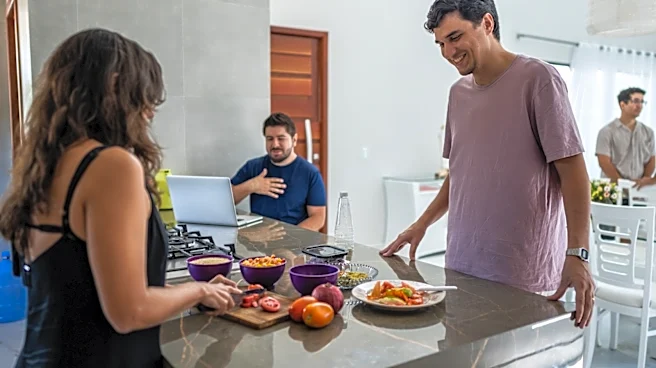
Kitchen island seating is undergoing a significant evolution, moving beyond the conventional design of simply extending a countertop for stools. Contemporary kitchens are now incorporating diverse approaches such as waterfall ends, lower dining ledges,
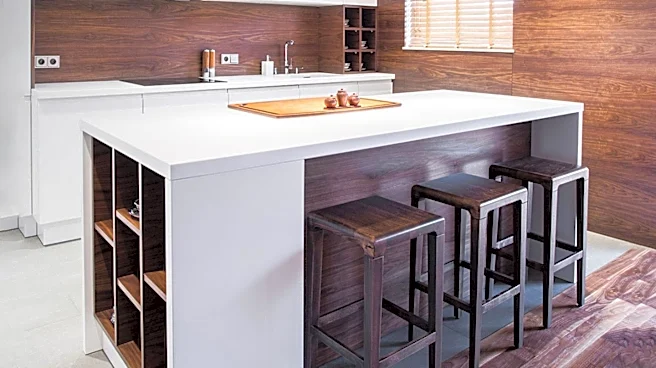
raised wood counters, wraparound surfaces, and open table-style extensions to create more functional and aesthetically pleasing seating areas. These innovative designs often separate the seating zone from the prep area through variations in height, material, or direction. Examples include white stone counters that drop to the floor in a waterfall edge, wood surfaces that extend to form table-like sections, and black panels that define a bar-like seating area. Some designs feature curved counters to accommodate more stools, while others integrate open shelving beneath the seating area for added utility.
Why It's Important?
This shift in kitchen island design reflects a broader trend in U.S. home architecture and interior design towards multi-functional and personalized living spaces. As kitchens increasingly serve as central hubs for dining, socializing, and even working, the demand for more versatile and comfortable seating solutions grows. This evolution impacts the home furnishings and construction industries, driving innovation in materials, custom cabinetry, and furniture design. Homeowners benefit from more ergonomic and adaptable kitchen layouts that cater to diverse activities, from casual meals to entertaining guests. The emphasis on distinct seating zones also addresses the desire for clear separation between cooking and social areas, enhancing both practicality and aesthetic appeal in open-plan living environments. This trend signifies a move away from purely utilitarian kitchen design towards integrated, lifestyle-centric spaces.
What's Next?
The trend of diversifying kitchen island seating is expected to continue, with further innovations in design and materials. We may see an increased integration of smart home technology within these seating areas, such as built-in charging stations or adjustable height mechanisms. Designers will likely explore more sustainable and unique materials, offering homeowners a wider range of customization options. The demand for bespoke kitchen solutions will also grow, as consumers seek designs that perfectly fit their specific needs and aesthetic preferences. This evolution will likely influence kitchen appliance manufacturers to create more compact or integrated units that complement these varied island designs, further blurring the lines between kitchen and living spaces. The focus will remain on creating highly functional, comfortable, and visually appealing kitchen environments that support modern lifestyles.
Beyond the Headlines
The transformation of kitchen island seating goes beyond mere aesthetics; it reflects a fundamental change in how Americans use their homes. The kitchen, once primarily a utilitarian space, has become the heart of the home, serving as a central gathering point for family and friends. This design evolution acknowledges and supports this cultural shift, promoting interaction and comfort within the culinary environment. The move towards more defined and varied seating options also speaks to a desire for intentional design, where every element serves a specific purpose and contributes to the overall well-being of the occupants. It highlights a growing appreciation for craftsmanship and thoughtful spatial planning, moving away from generic, mass-produced solutions towards more personalized and meaningful home environments. This trend underscores the psychological impact of design on daily life, fostering connection and functionality.