




What's Happening?
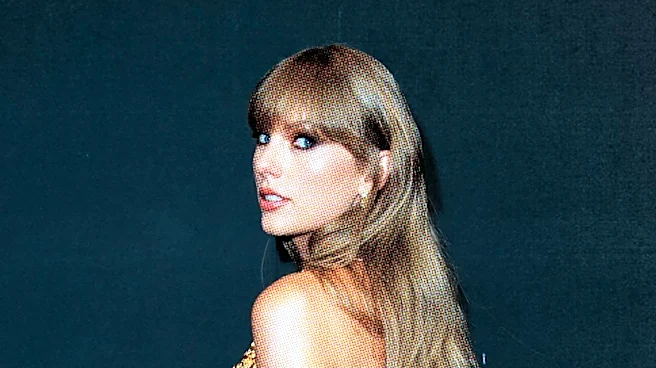
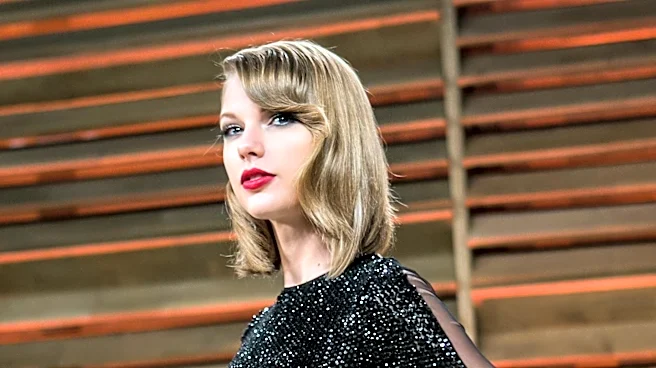
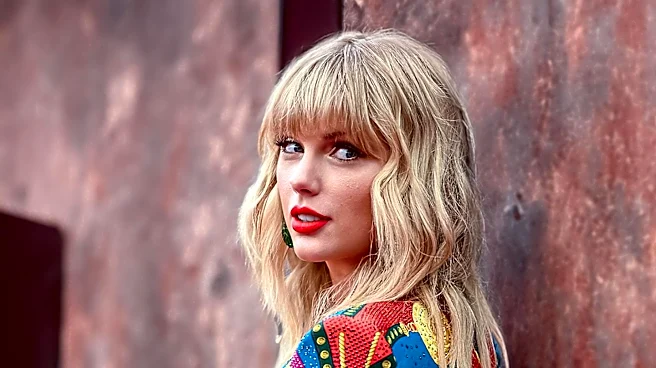
Taylor Swift is reportedly furious over a recent Vanity Fair profile that characterized her as 'punitive' and suggested she 'loves to smack people in the head [figuratively].' According to an insider, Swift takes such coverage personally and has a 'very
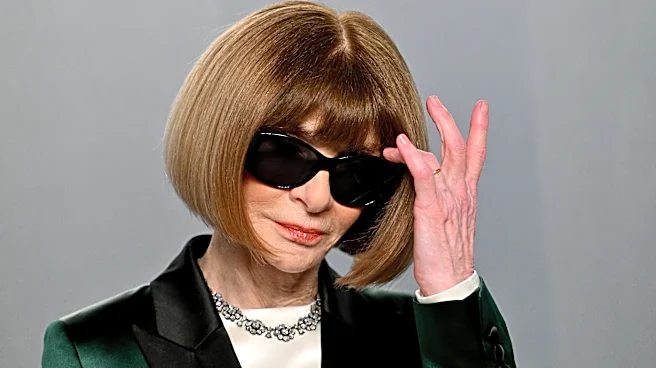
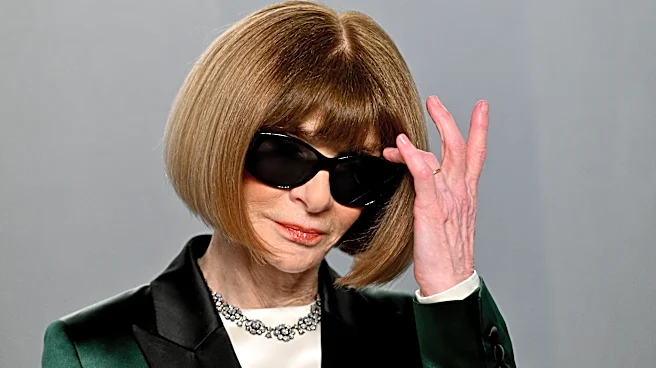
long memory,' indicating she will not easily dismiss the negative portrayal. The fallout from the article has reportedly caused internal questioning among employees at Condé Nast, Vanity Fair's parent company. Sources suggest that Condé Nast Chief Content Officer Anna Wintour 'doesn't want to be involved in any of this,' and Vogue's head of editorial content, Chloé Malle, reportedly questioned the necessity of publishing the profile, believing there was 'nothing there.' A representative for Vogue and Wintour, however, denied reports of internal tension, stating 'there is no truth to any of it' and that Wintour was aware of the article prior to publication with no objections.
Why It's Important?
This situation highlights the delicate balance between journalistic integrity and celebrity relations within the entertainment industry. For Condé Nast, a major media conglomerate, alienating a global superstar like Taylor Swift could have significant repercussions. Swift's immense influence and dedicated fanbase mean that negative coverage, especially from a prominent publication, can lead to widespread backlash against the media outlet. The reported internal dissent within Condé Nast suggests a potential conflict between editorial decisions and the business implications of maintaining access to high-profile figures. Losing Swift's cooperation could jeopardize future opportunities for Vogue covers or her attendance at events like the Met Gala, which are crucial for the publications' visibility and cultural relevance. This incident underscores the power dynamics between celebrities and media, where a star's reaction can directly impact a publication's strategic relationships and perceived credibility.
What's Next?
The immediate future may see continued scrutiny on Vanity Fair and Condé Nast regarding their editorial approach to celebrity profiles. While a representative for Vogue and Anna Wintour has denied internal tension, the reported sentiments from insiders suggest a potential strain on the relationship between Taylor Swift and the publishing house. It remains to be seen if Swift or her team will issue a public statement or take any direct action in response to the profile. The broader implications could include other celebrities becoming more cautious about engaging with Condé Nast publications if they perceive a risk of critical or 'punitive' portrayals. The situation could also prompt internal discussions within Condé Nast about their editorial guidelines for celebrity features and the potential impact on their access to major stars.
Beyond the Headlines
This incident delves into the complex ethical considerations surrounding celebrity journalism. The tension between a publication's desire for compelling, unfiltered content and the need to maintain relationships with influential figures raises questions about journalistic independence versus commercial interests. The reported characterization of Swift as 'punitive' and having a 'very long memory' also touches upon the public perception of powerful celebrities and their ability to control their narratives. This event could contribute to a broader conversation within the media industry about the responsibilities of profiling public figures, especially those with significant cultural and economic sway. It also highlights the potential for internal conflict within large media organizations when editorial decisions clash with strategic business objectives, particularly concerning access to highly sought-after talent.