



What's Happening?
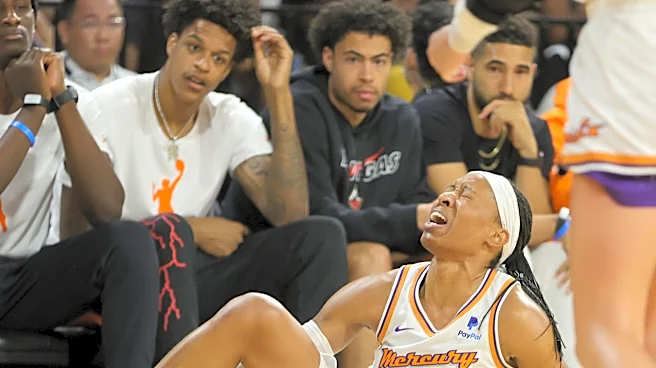
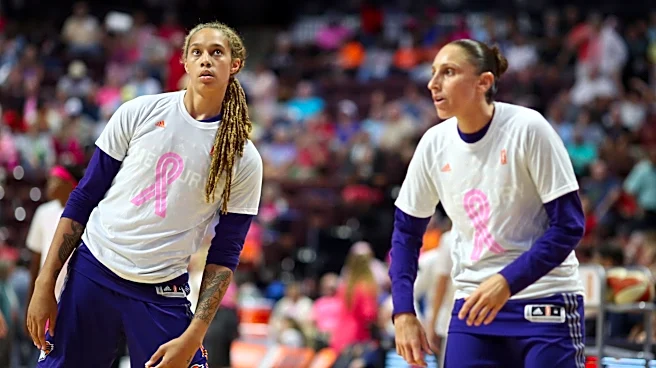
The Phoenix Mercury, a WNBA team under the Player 15 Group umbrella, is actively recruiting a Head Strength & Conditioning Coach. This full-time, year-round position is crucial for overseeing the daily operations of the weight room and implementing individualized
training programs for players. The role focuses on optimizing basketball performance, fostering player development, reducing injury risks, and supporting rehabilitation efforts for medical issues. The selected coach will be responsible for developing and executing WNBA-specific strength and conditioning programs, leading training sessions, and conducting scientific assessments to monitor player workload, performance, and fatigue. Collaboration with the broader Health & Performance staff and coaching staff is essential to align training with holistic player needs and team objectives. The position requires at least five years of experience with professional, college, Olympic, or national team athletes, with professional basketball experience preferred. Candidates must hold a current CSCS certification or equivalent, a Bachelor’s Degree in exercise and sport science, and current CPR, AED, and First Aid certifications. The role involves significant travel with the team during the WNBA season and offseason.
Why It's Important?
This hiring initiative by the Phoenix Mercury underscores the increasing emphasis on sports science and athlete well-being within professional basketball. Investing in a dedicated Head Strength & Conditioning Coach highlights the team's commitment to maximizing player potential and extending careers through advanced physical preparation and injury mitigation strategies. For the Phoenix Mercury, this role is vital for maintaining a competitive edge in the WNBA, as player health and peak physical condition directly translate to on-court success. The focus on individualized programming and scientific monitoring reflects a broader trend in professional sports towards data-driven approaches to training and recovery. This position also impacts the overall player experience, offering comprehensive support that can attract and retain top talent. The emphasis on injury risk reduction and rehabilitation can lead to fewer missed games, ensuring key players are available throughout the season, which is critical for team performance and fan engagement.
What's Next?
The Phoenix Mercury will proceed with the recruitment process, evaluating candidates based on their experience, certifications, and ability to integrate into a multidisciplinary health and performance team. Once a Head Strength & Conditioning Coach is hired, the immediate next steps will involve the new coach developing and implementing comprehensive strength and conditioning programs tailored to the Mercury's roster. This will include establishing assessment protocols, designing individualized training plans, and collaborating with existing medical and coaching staff to ensure a cohesive approach to player development and welfare. The coach will also begin traveling with the team for games, training camps, and offseason activities, directly supporting players' physical needs. Over time, the effectiveness of these programs will be measured by improvements in player performance metrics, reductions in injury rates, and overall team success in the WNBA.
Beyond the Headlines
The recruitment of a Head Strength & Conditioning Coach by the Phoenix Mercury reflects a deeper evolution in professional sports, where the lines between traditional coaching, medical care, and sports science are increasingly blurred. This role is not just about physical training but also about integrating scientific principles into daily athletic life, influencing nutrition, sleep, and recovery strategies. The emphasis on data-driven assessment and individualized programming signifies a shift towards a more personalized and holistic approach to athlete management, moving beyond one-size-fits-all training regimens. This trend has broader implications for sports education and research, as the demand for highly specialized professionals in sports science continues to grow. Furthermore, the focus on injury prevention and long-term athlete health highlights a growing recognition of athletes as valuable assets whose careers need to be sustained through sophisticated support systems, potentially influencing how player contracts and insurance are structured in the future.