
What's Happening?
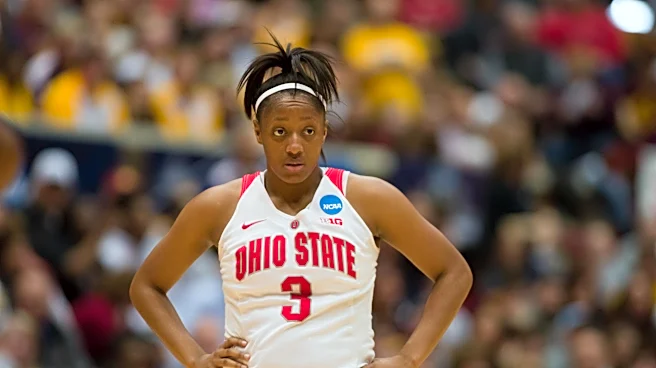
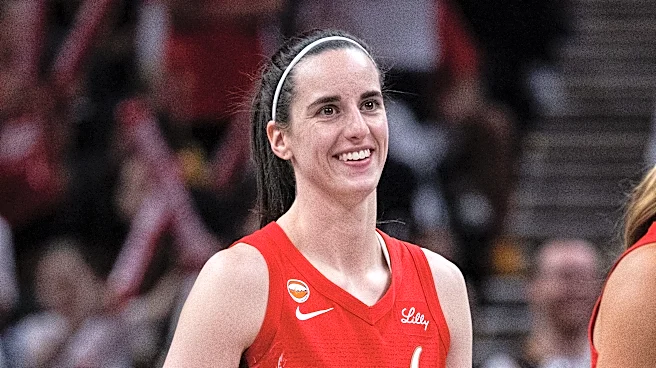
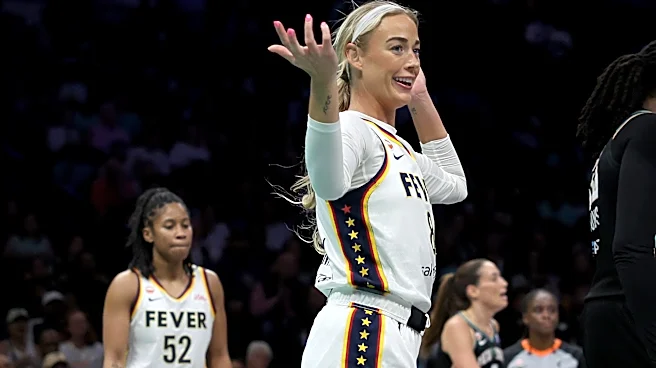
Former WNBA star Angel McCoughtry has ignited a controversy by suggesting that players like Caitlin Clark and Sophie Cunningham achieve fame due to their physical attractiveness rather than solely their basketball
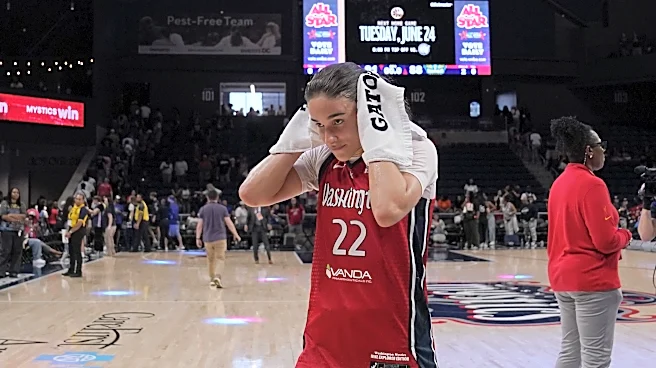
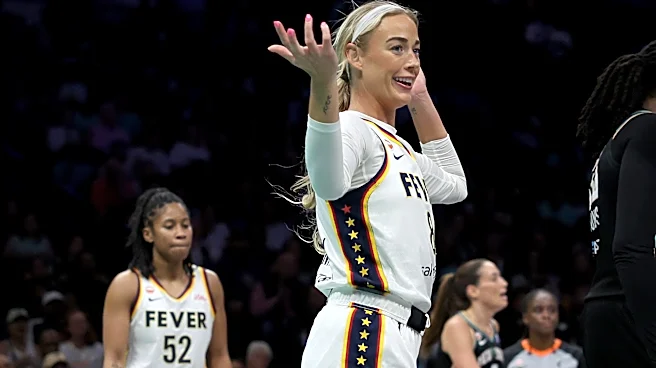
skills. McCoughtry made these remarks on the 'Get To The Point' podcast, arguing that Clark receives more promotion than her Indiana Fever teammate Kelsey Mitchell, whom McCoughtry considers the team's best player. She questioned whether success in the women's game is driven by skill or by visibility and appearance, citing Cunningham's major shoe deal despite averaging fewer points. This perspective implies that some players' marketability is influenced by their looks, potentially overshadowing their on-court performance. Analysts Rachel DeMita and Robin Lundberg have strongly criticized McCoughtry's comments, labeling them as disrespectful and misrepresentative of the league's evolving landscape.
Why It's Important?
This debate touches on critical issues within professional sports, particularly regarding gender, media representation, and marketability. McCoughtry's comments raise questions about the criteria for player promotion and endorsement deals in the WNBA, suggesting a potential bias towards appearance over athletic merit. This can be detrimental to the league's image and may undermine the achievements of its athletes. Conversely, analysts argue that increased visibility for players like Clark and Cunningham expands the overall market for the WNBA, benefiting all players, including those like Kelsey Mitchell, whose recognition has grown. The controversy highlights the ongoing tension between traditional views of athletic success and the commercial realities of modern sports, where image and public appeal often play a significant role in an athlete's brand value.
What's Next?
The discussion sparked by Angel McCoughtry's comments is likely to continue within WNBA media and fan circles, prompting further conversations about player marketability, media coverage, and endorsement equity. The league and its teams may face increased scrutiny regarding how they promote players and allocate marketing resources. This could lead to internal discussions about ensuring equitable opportunities for all athletes, regardless of their public image. Players themselves might become more vocal about these issues, advocating for recognition based purely on their athletic contributions. The debate also serves as a reminder for brands and sponsors to consider the broader implications of their endorsement choices and to ensure they align with principles of fairness and merit.
Beyond the Headlines
The controversy delves into deeper societal perceptions of women in sports, where athletes often face scrutiny not only for their performance but also for their appearance. McCoughtry's remarks, while contentious, reflect a long-standing concern within women's sports about whether female athletes are valued primarily for their athletic prowess or for their marketability based on conventional beauty standards. This discussion can influence how young female athletes perceive their own paths to success, potentially creating pressure to conform to certain images. It also underscores the ongoing challenge for women's sports leagues to navigate commercial pressures while upholding the integrity of athletic competition and promoting genuine talent. The debate ultimately calls for a more nuanced understanding of how athletes are perceived, valued, and marketed in a rapidly evolving media landscape.