


What's Happening?
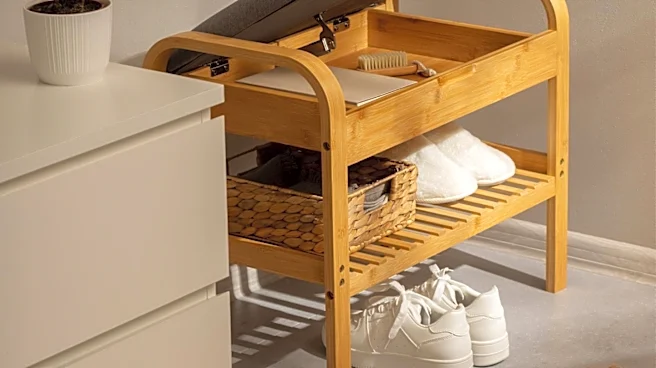
Multifunctional furniture is becoming increasingly popular, particularly in urban areas where living spaces are limited. This type of furniture serves multiple purposes, such as sofa beds, storage beds, and versatile tables that provide both seating and workspace.
These pieces are designed to maximize space and utility, offering solutions for storage, seating, and additional functions like workspaces. The trend is particularly strong in areas with smaller living spaces, such as urban centers, where every square meter is valuable. The emphasis on quality and durability is crucial, as multifunctional furniture must withstand frequent use and multiple functions.
Why It's Important?
The rise of multifunctional furniture reflects a broader trend towards efficient use of space in urban living environments. As cities become more densely populated, the demand for housing increases, often resulting in smaller living spaces. Multifunctional furniture offers a practical solution by allowing residents to make the most of their limited space without sacrificing comfort or functionality. This trend also highlights a shift in consumer priorities towards sustainability and minimalism, as people seek to reduce clutter and make more intentional choices about their living environments. The furniture industry stands to benefit from this trend by innovating and offering products that meet these evolving consumer needs.
What's Next?
As the demand for multifunctional furniture continues to grow, manufacturers are likely to focus on innovation and design to meet consumer needs. This could include the development of new materials and technologies that enhance the functionality and durability of these products. Additionally, there may be an increase in collaborations between furniture designers and architects to create integrated living solutions that maximize space efficiency. Retailers may also expand their offerings to include more customizable options, allowing consumers to tailor furniture to their specific needs and preferences.