







What's Happening?
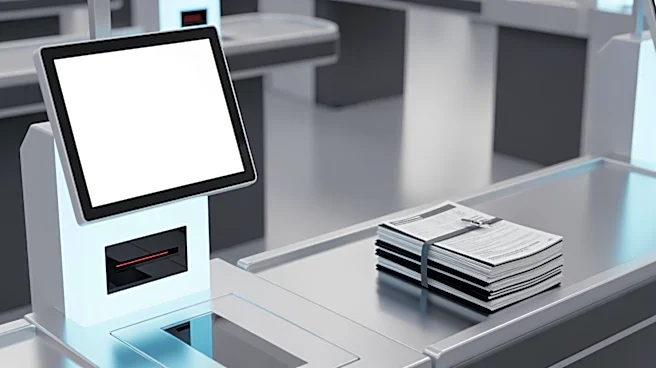
Several U.S. states are considering legislation to regulate the use of self-checkout systems in retail stores. Proposed bills in states like Massachusetts, Rhode Island, and Connecticut aim to address concerns over theft and labor by imposing restrictions
on self-checkout operations. These include capping the number of self-checkout stations, requiring a minimum number of staffed lanes, and limiting transactions to 15 items. The trend reflects a growing interest among lawmakers to regulate self-checkout as part of broader operational standards in retail settings.
Why It's Important?
The proposed regulations could have significant implications for retailers, potentially increasing operational costs and affecting customer service models. By imposing limits on self-checkout usage, the bills aim to address issues related to theft and job displacement. However, they also raise questions about the balance between technological innovation and labor concerns. Retailers may need to adjust their staffing and store layouts to comply with new regulations, which could impact their competitiveness and profitability.
What's Next?
As these bills progress through state legislatures, retailers will need to monitor developments and prepare for potential changes in operational requirements. The outcome could influence similar legislative efforts in other states and at the local level. Retailers may also engage in lobbying efforts to shape the final form of the regulations and ensure that their interests are considered.