








What's Happening?
Singapore-based mining company Boroo Pte. Ltd., along with its subsidiary Gatsuurt Mining Inc., has reached a conditional C$140 million ($99.6 million) agreement to acquire the Eagle Gold Mine in central Yukon from court-appointed receiver PricewaterhouseCoopers
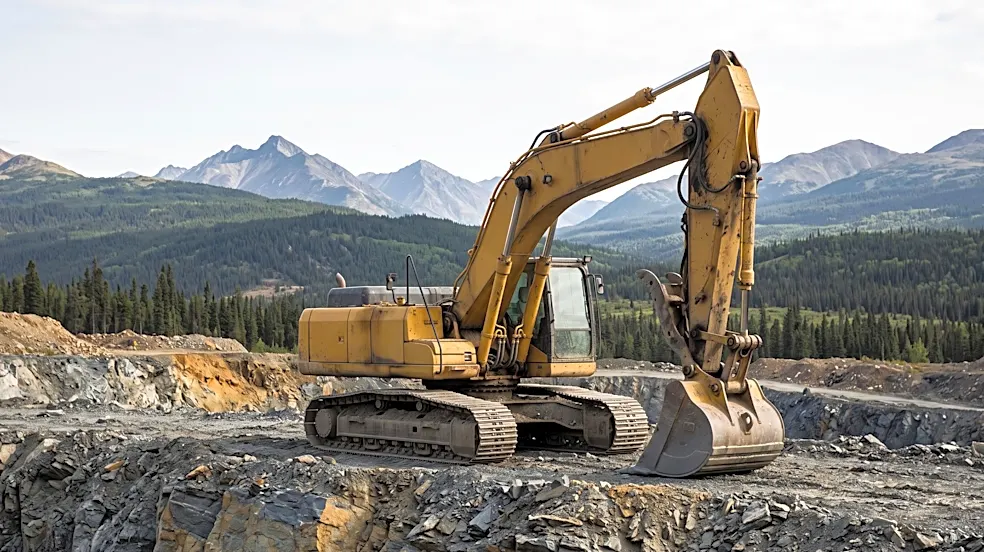
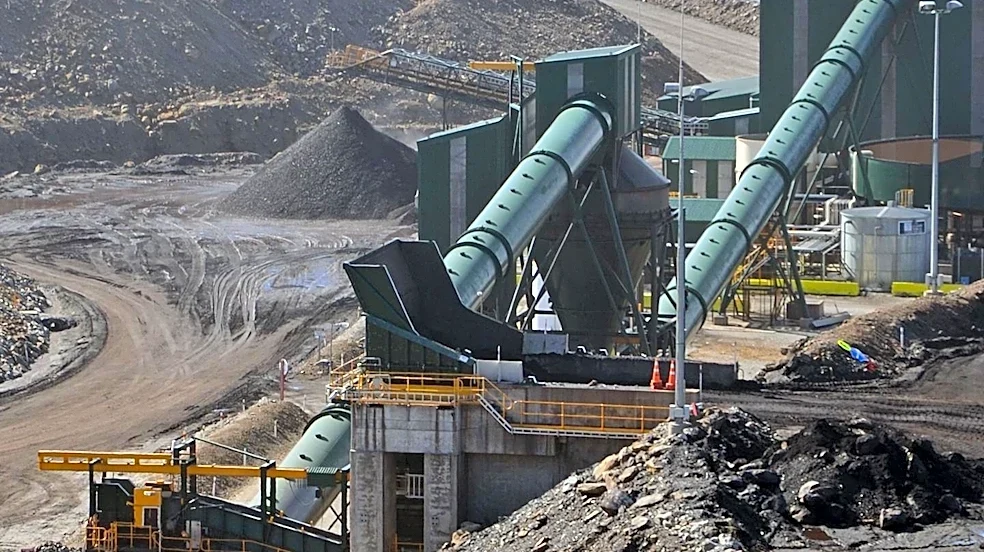
Inc. The deal, reported by the Yukon government on October 22, involves Boroo taking over the operation and pursuing a restart of the mine, which has been shut down since June 2024 following a collapse of its heap leach pad that released cyanide-laden material. Under the proposed sale, Boroo would assume responsibility for ongoing site operations and remediation efforts, and provide an additional C$104 million ($74 million) in security. The agreement is contingent on court approval, with closing expected before December 31. The Yukon government has already advanced C$185 million ($131.6 million) to the receiver for remediation and receivership costs.
Why It's Important?
This acquisition is significant for several reasons. Firstly, it represents a potential pathway to restart a major mining operation that has been dormant due to a significant environmental incident, highlighting the complexities of managing and remediating large-scale industrial sites. The transfer of remediation responsibilities to Boroo, coupled with a substantial security requirement, underscores the increasing emphasis on environmental accountability in the mining sector. For the Yukon government, the deal offers a chance to recover some of the funds expended on cleanup efforts and potentially see the mine return to productive operation, contributing to the local economy. The incident at Eagle Gold Mine also serves as a cautionary tale regarding the environmental risks associated with mining, particularly concerning hazardous materials, and the need for robust regulatory oversight and operational safety measures.
What's Next?
The agreement is subject to court approval, which will be a critical next step. If approved, Boroo will make an initial deposit and subsequent payments, with additional payments tied to obtaining necessary permits and achieving commercial production. Boroo has indicated plans to invest approximately C$1.5 billion (US$1.07 billion) over the lifespan of the mine, signaling a long-term commitment to the region. Before mining can resume, any new operations will need to meet recommendations from the Independent Review Board and comply with updated policies and practices introduced in the Yukon since the mine was originally licensed. The territorial government expects all recommendations to be completed by spring 2027, suggesting a phased approach to restarting operations with a strong focus on environmental integrity and safety.
Beyond the Headlines
The acquisition of the Eagle Gold Mine by Boroo extends beyond a simple business transaction; it delves into the broader implications of corporate responsibility, environmental stewardship, and the economic viability of resource extraction in sensitive regions. The incident that led to the mine's closure—a heap leach pad collapse—highlights the inherent risks of certain mining practices and the potential for severe environmental damage. Boroo's commitment to addressing these environmental challenges and working with local communities, including the First Nation of Na-Cho Nyäk Dun, suggests a shift towards more sustainable and socially conscious mining operations. This case could set a precedent for how future mining projects are managed, particularly in terms of environmental risk assessment, remediation funding, and engagement with indigenous populations, influencing industry standards and regulatory frameworks in North America.