

What's Happening?
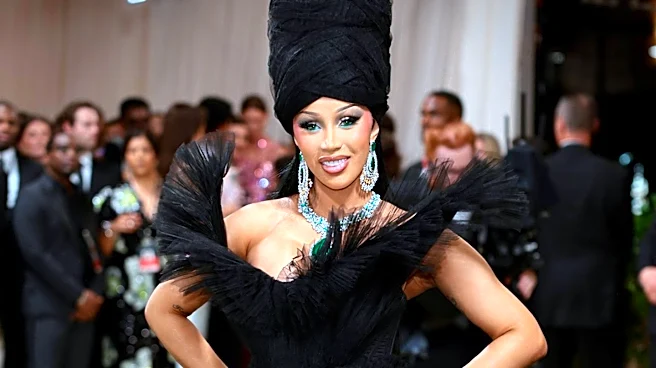
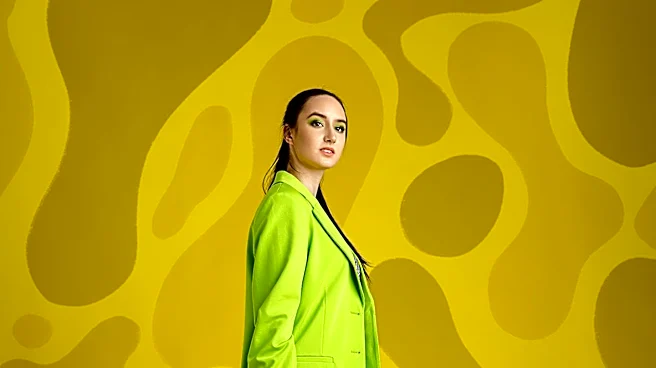
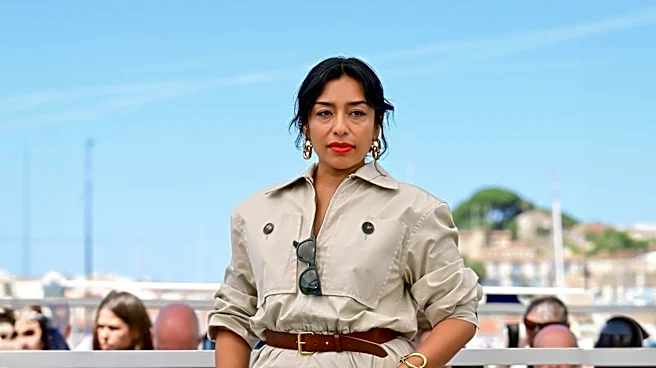
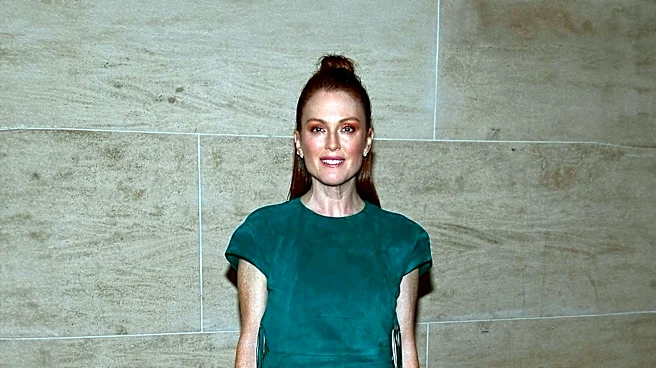
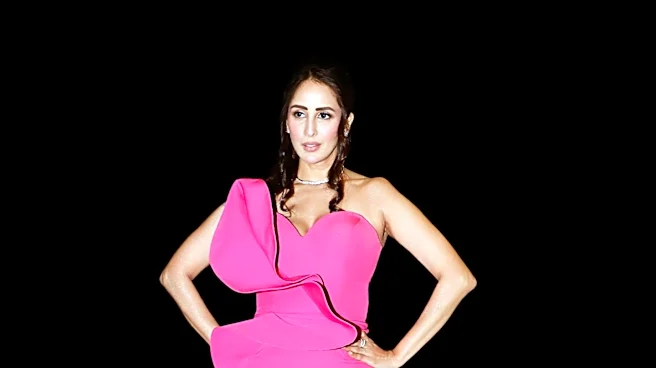
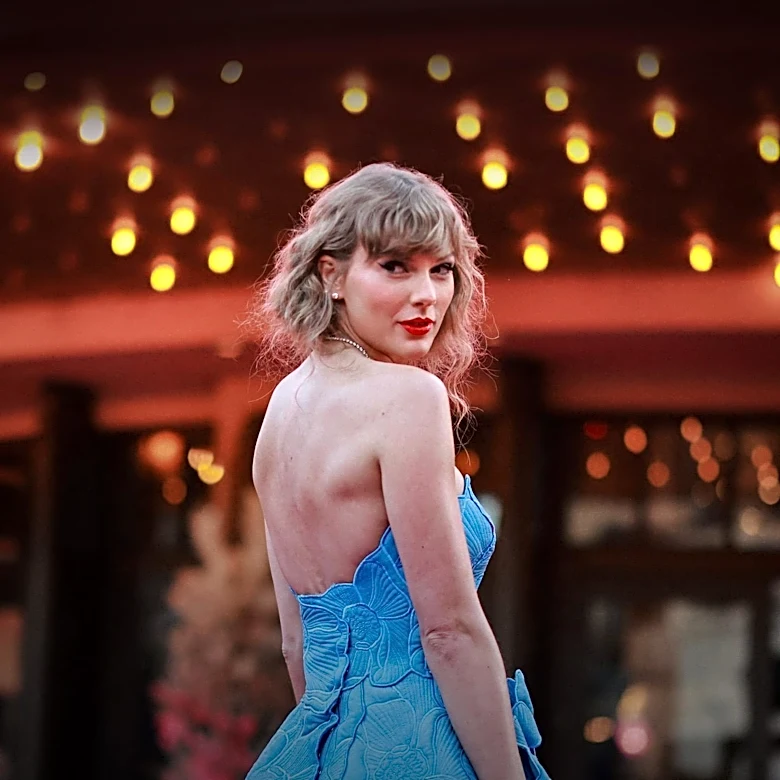
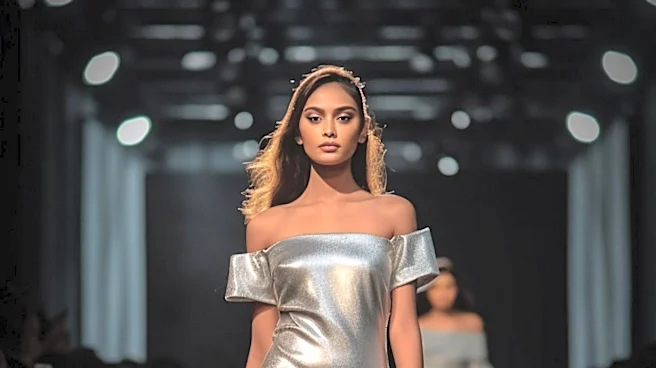
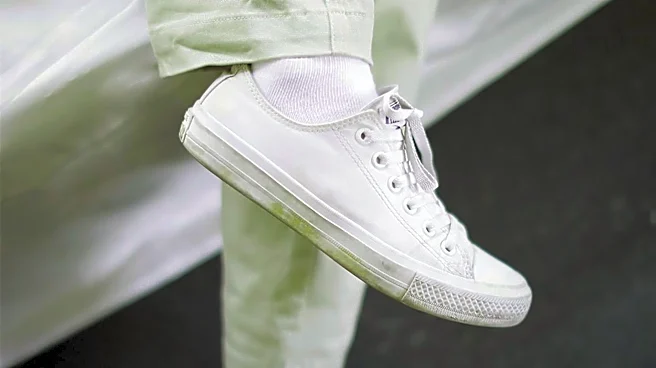
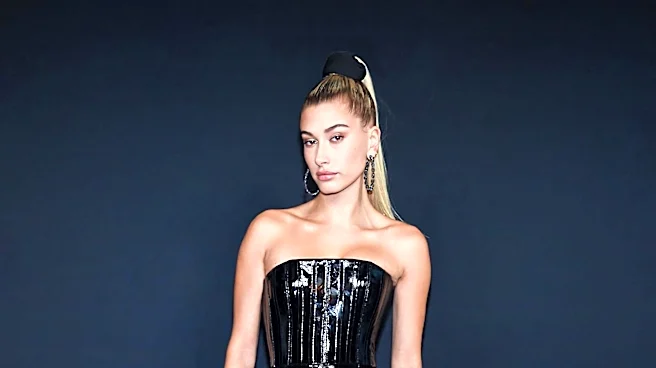
This week, several celebrities have embraced quirky fashion touches for their red carpet appearances, as reported by Vogue. Stars like Teyana Taylor, Hailey Bieber, Hunter Schafer, and Tracee Ellis Ross have opted for bold and playful styles that showcase
their individuality. Schafer attended Comic-Con in a neon-bright Marc Jacobs outfit, while Bieber wore a vintage Galliano-era Dior slip dress in New York City. Taylor's Saint Laurent short suit was elevated with extra-pointy heels, and Ross's Prada pinstripe shirting was paired with a bejeweled red skirt.
Why It's Important?
The embrace of quirky fashion touches by celebrities highlights a broader trend towards self-expression and individuality in fashion. This trend is significant as it reflects changing consumer preferences, with individuals seeking unique and daring styles that stand out. For the fashion industry, this presents an opportunity to innovate and experiment with new designs and materials, catering to the growing demand for personalized fashion. Additionally, the influence of celebrities on fashion trends can drive consumer interest and sales, impacting the industry's overall growth.
What's Next?
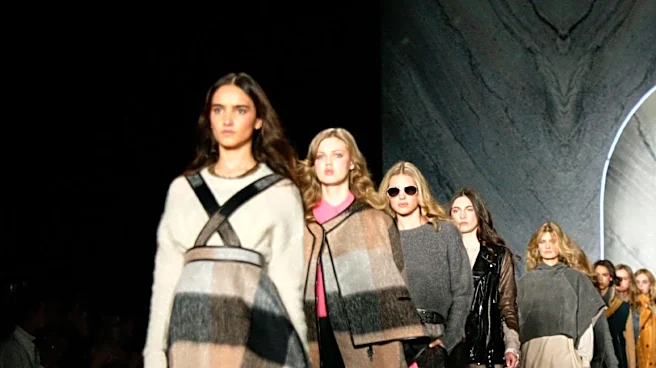
As the trend towards quirky and individualistic fashion continues, it is likely that more designers will incorporate bold and playful elements into their collections. This could lead to a greater diversity of styles and options for consumers, encouraging them to experiment with their fashion choices. Additionally, the influence of celebrities on fashion trends may inspire new collaborations and partnerships, further shaping the industry's direction.
Beyond the Headlines
The focus on individuality and self-expression in fashion raises questions about the role of traditional fashion norms and standards. As consumers increasingly seek out unique and personalized styles, there may be a shift away from conventional fashion rules, leading to a more inclusive and diverse fashion landscape. This could also impact other industries, such as beauty and lifestyle, as they adapt to changing consumer preferences.