






What's Happening?
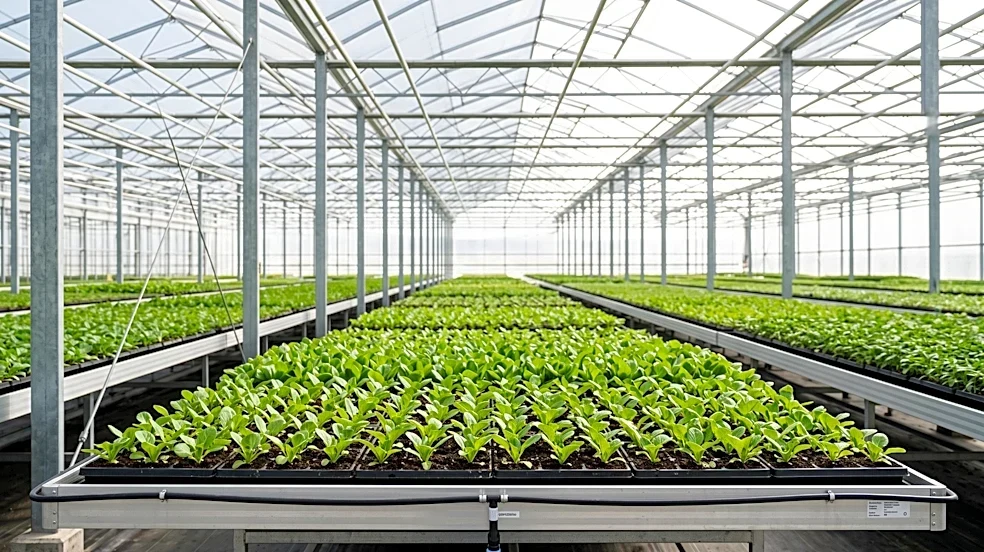
The annual State of the Industry survey by American Vegetable Grower, led by Editor Carol Miller, indicates that the protected crop production industry has matured rather than rapidly reinvented itself. With six years of survey data, the findings show
that growers are refining their use of protected agriculture methods without fundamentally altering their core motivations. Extending the growing season remains the primary reason for investing in protected structures, a consistent trend over time. However, growers now expect these structures to achieve multiple objectives beyond just season extension, such as producing their own transplants, reducing pest pressure, buffering weather challenges, and increasing production flexibility. The survey also highlights emerging regional differences in protected production models across the U.S., with distinct approaches observed in New England, the Midwest, and the Southeast/South Central states.
Why It's Important?
This survey provides crucial insights into the stability and evolution of the U.S. protected agriculture sector. The consistent emphasis on season extension underscores its economic importance for growers, allowing them to maximize yields and market access. The diversification of benefits sought from protected structures, such as pest reduction and weather management, reflects growers' strategic adaptation to environmental and market pressures. Regional variations in adoption and application of protected agriculture indicate tailored approaches to local climate conditions and market demands, influencing investment decisions and operational strategies across different states. For the U.S. agricultural industry, these trends suggest a resilient sector that is optimizing existing technologies to enhance productivity and sustainability, rather than undergoing radical shifts. This stability can provide a predictable environment for related businesses, including suppliers of greenhouse technology, seeds, and agricultural inputs.
What's Next?
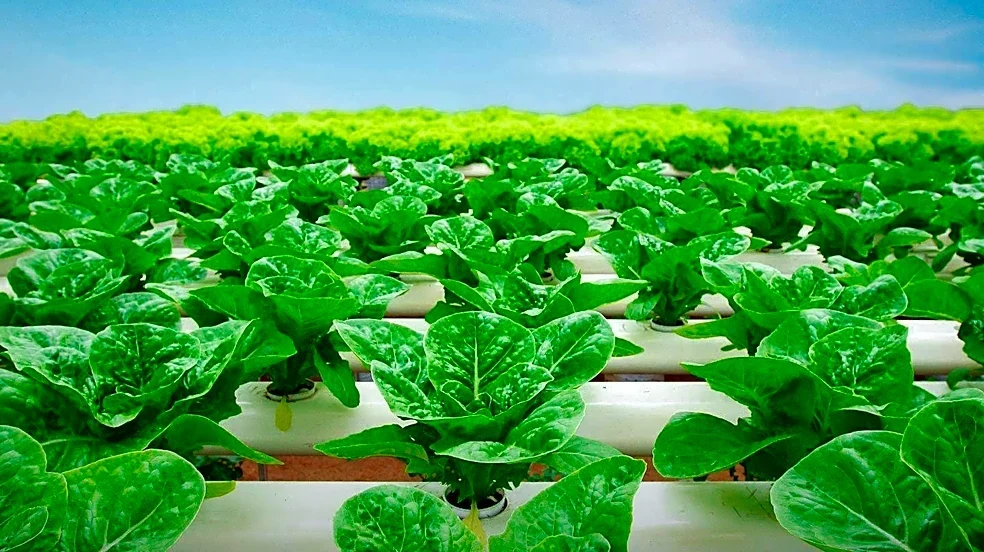
The insights from American Vegetable Grower's survey suggest that future developments in protected agriculture will likely focus on optimizing existing practices and technologies rather than introducing entirely new concepts. Growers will continue to refine how they utilize protected structures to achieve multiple returns on investment, such as integrating pest management strategies and improving crop quality alongside season extension. Regional differences will likely persist, leading to specialized solutions and support systems tailored to the specific needs of growers in different parts of the country. For instance, areas prone to extreme weather may see increased investment in structures designed for resilience. The continued dominance of tomatoes as a key protected crop, alongside the growing importance of peppers, leafy greens, and cucurbits, indicates a gradual expansion of crop diversity within protected environments. This trend could drive innovation in crop-specific protected cultivation techniques and market development for these crops.
Beyond the Headlines
The maturity of the protected agriculture industry, as indicated by the survey, has broader implications for food security and environmental sustainability in the U.S. By extending growing seasons and mitigating weather risks, protected cultivation contributes to a more stable and reliable food supply, reducing reliance on imports and enhancing local food systems. The focus on reducing pest pressure and improving crop quality within controlled environments can also lead to more sustainable farming practices, potentially decreasing the need for chemical inputs. Furthermore, the regional adaptations highlight the ingenuity of U.S. farmers in responding to diverse climatic conditions, showcasing a dynamic and evolving agricultural landscape. This sustained growth and refinement in protected agriculture could also influence consumer preferences, offering a wider variety of fresh produce year-round and potentially impacting dietary habits and public health.