


What's Happening?
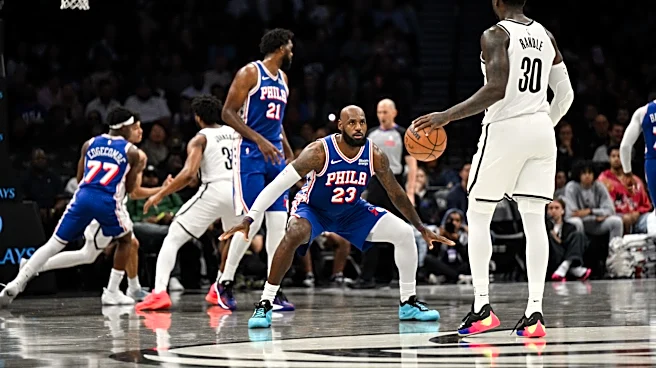
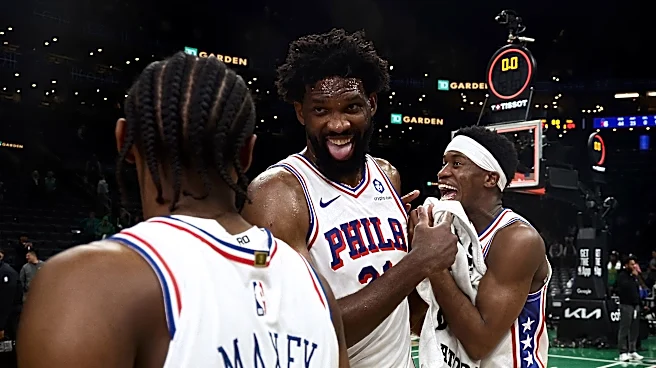
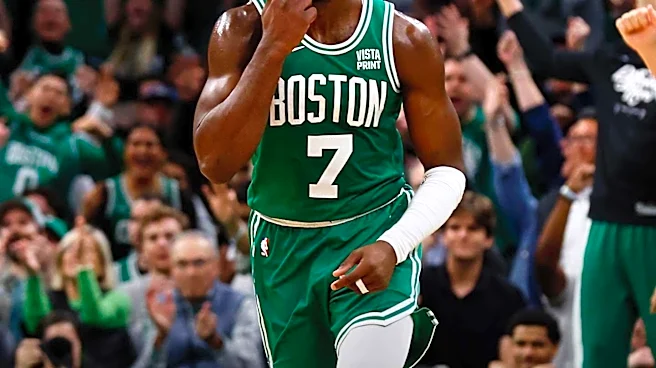
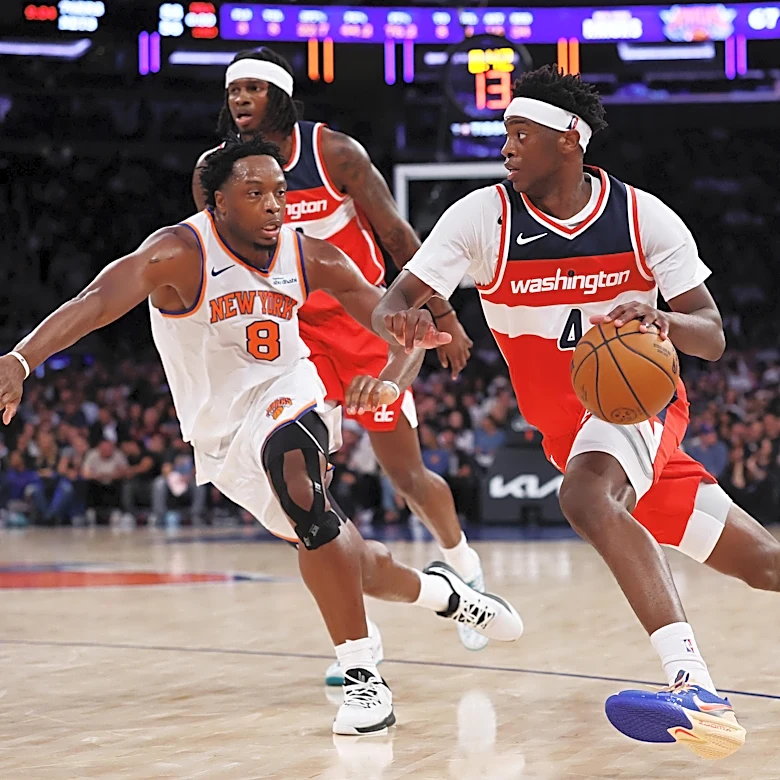
Jaylen Brown, a professional basketball player, used his live Twitch stream to respond to comments made by Anthony Edwards in a recent Adidas commercial. In the commercial, Edwards made remarks targeting several NBA players, including LeBron James and
Brown. Edwards commented on James' age and Brown's hairline, suggesting that James' decision not to join him in Minnesota was due to his knees and that both James and Brown would benefit from barbers in Philadelphia for 'enhancements.' Brown, who is also represented by Adidas, expressed his disbelief and questioned a fellow Adidas-sponsored player, VJ Edgecombe, about the commercial's content. Brown indicated that he felt the comments were a deliberate attempt by Adidas to create a rivalry between players.
Why It's Important?
This incident highlights the evolving landscape of athlete endorsements and personal branding in professional sports. While athletes often engage in playful banter, the use of a commercial platform to deliver what some perceive as insults can have various implications. For Adidas, it represents a marketing strategy aimed at generating viral content and increasing brand visibility, potentially at the risk of alienating some of its sponsored athletes or creating internal friction. For players like Brown, it underscores the importance of maintaining their public image and responding to perceived slights, even if they are part of a marketing campaign. The situation also demonstrates how social media and streaming platforms provide athletes with direct channels to communicate with their audience and address issues without intermediaries, influencing public perception and potentially impacting endorsement deals and team dynamics.
What's Next?
It remains to be seen how Adidas will manage the reactions to its commercial campaign and whether other players targeted by Edwards will issue public responses. The interaction could lead to further playful exchanges between the athletes, potentially fueling more viral content for Adidas, or it could prompt a reevaluation of marketing strategies that involve direct jabs at other public figures. Brown's mixed reaction, acknowledging the 'genius' of Edwards' campaign while also expressing personal offense, suggests a complex dynamic where athletes balance professional obligations with personal feelings. Future Adidas campaigns may either lean into this controversial style or adopt a more cautious approach, depending on the overall reception and any potential backlash.
Beyond the Headlines
The incident touches upon the broader ethical considerations in advertising, particularly when campaigns involve direct commentary on competitors or other public figures. While the goal might be to create buzz and engagement, there's a fine line between humorous rivalry and disrespectful remarks. This situation also reflects the increasing blurring of lines between entertainment, sports, and personal branding, where athletes are not just performers but also content creators and influencers. The use of a player's personal stream to address a commercial highlights the power of individual platforms in shaping narratives, potentially challenging traditional media control over athlete messaging. It also raises questions about the extent to which brands should encourage or control the content their sponsored athletes produce, both within and outside official campaigns.