





What's Happening?
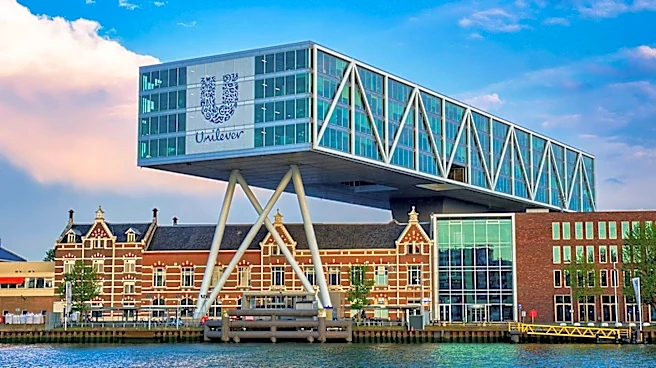
A Hamburg court in Germany has ruled that Unilever's use of the term 'sustainably grown' on its Pfanni dumpling mix potatoes was misleading. This decision has prompted Unilever to remove the claim from its packaging and website. The ruling highlights
an increasing examination of environmental marketing claims by regulatory bodies. This development could impact how Unilever positions its brands, manages compliance, and communicates its broader sustainability efforts across its product portfolio. The company has been undergoing a portfolio reshaping, including the planned demerger of its food businesses and the creation of the Magnum Ice Cream Company, aiming for a leaner group focused on categories with strong brand strength and pricing power.
Why It's Important?
This German court ruling is significant as it underscores a growing global trend of stricter regulatory oversight on 'green' marketing claims. For Unilever, a major consumer goods company with a global presence, this decision could set a precedent for how it markets its products in other regions, including the U.S. It suggests that companies must provide clear, verifiable evidence for their sustainability claims to avoid legal challenges and reputational damage. The ruling could lead to increased compliance costs and a need for more rigorous internal processes for substantiating environmental assertions. This heightened scrutiny might also influence consumer trust in sustainability labels, potentially impacting purchasing decisions and forcing companies to be more transparent about their environmental practices.
What's Next?
Unilever will likely need to reassess its marketing strategies and compliance frameworks for sustainability claims across its product lines, potentially extending beyond Germany. The company may face increased pressure to provide more detailed and transparent information regarding its 'sustainably grown' or similar environmental assertions. This ruling could also encourage other regulatory bodies, including those in the U.S., to intensify their scrutiny of environmental marketing. Investors will be watching to see if Unilever can maintain its margin progress and growth in emerging markets while absorbing these additional compliance requirements and potential shifts in marketing approaches. The broader consumer goods industry may also adapt by adopting more conservative or thoroughly vetted environmental claims.
Beyond the Headlines
The Hamburg court's decision reflects a broader societal shift towards demanding greater accountability from corporations regarding their environmental impact and marketing. This ruling could contribute to the evolution of 'greenwashing' regulations, pushing companies to move beyond vague or unsubstantiated claims towards more concrete and measurable sustainability initiatives. It highlights the ethical dimension of corporate communication, where misleading environmental claims can erode public trust and undermine genuine efforts towards sustainability. In the long term, this trend could foster a more transparent and credible market for sustainable products, benefiting consumers who seek environmentally responsible choices and penalizing companies that fail to meet these evolving standards.