







What's Happening?
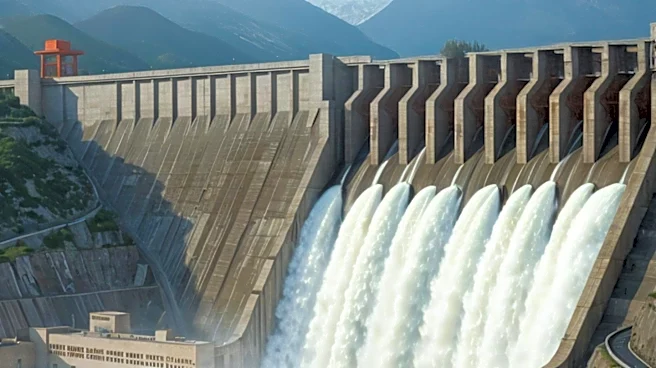
The Federal Energy Regulatory Commission (FERC) has unanimously approved new measures to simplify the National Environmental Policy Act (NEPA) review procedures for hydropower projects deemed to have minimal environmental impact. This decision aims to enhance
efficiency and speed up the approval process while maintaining environmental standards. FERC Chairman Laura V. Swett emphasized the importance of moving approvals forward quickly while fulfilling NEPA obligations. The regulatory changes include expanding an existing categorical exclusion to cover terminations or revocations of hydropower licenses and exemptions involving minor or no ground-disturbing activities. Additionally, FERC adopted two categorical exclusions from the Tennessee Valley Authority, which apply to the development of recreation sites and public use areas near hydropower projects.
Why It's Important?
The streamlining of NEPA review processes by FERC is significant as it could lead to faster implementation of hydropower projects, which are crucial for sustainable energy development. By reducing the time and resources required for environmental reviews, FERC aims to focus more on large-scale projects that have a greater impact on energy production. This move could benefit the renewable energy sector by facilitating quicker project approvals, potentially leading to increased investment and development in hydropower. However, it also raises concerns about the adequacy of environmental oversight, as expedited processes might overlook potential ecological impacts.
What's Next?
Following the approval of these measures, FERC will likely monitor the implementation of the new review processes to ensure they meet the intended goals of efficiency and environmental protection. Stakeholders in the hydropower industry may respond by accelerating project proposals, taking advantage of the streamlined procedures. Environmental groups might scrutinize the impact of these changes, advocating for continued vigilance in environmental assessments. The success of these measures could influence future regulatory approaches in other sectors of renewable energy.