



What's Happening?
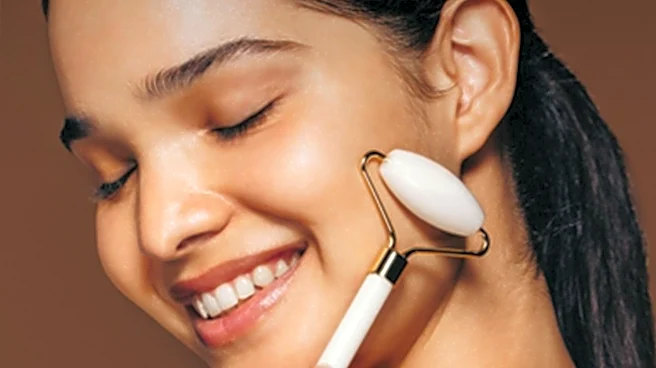
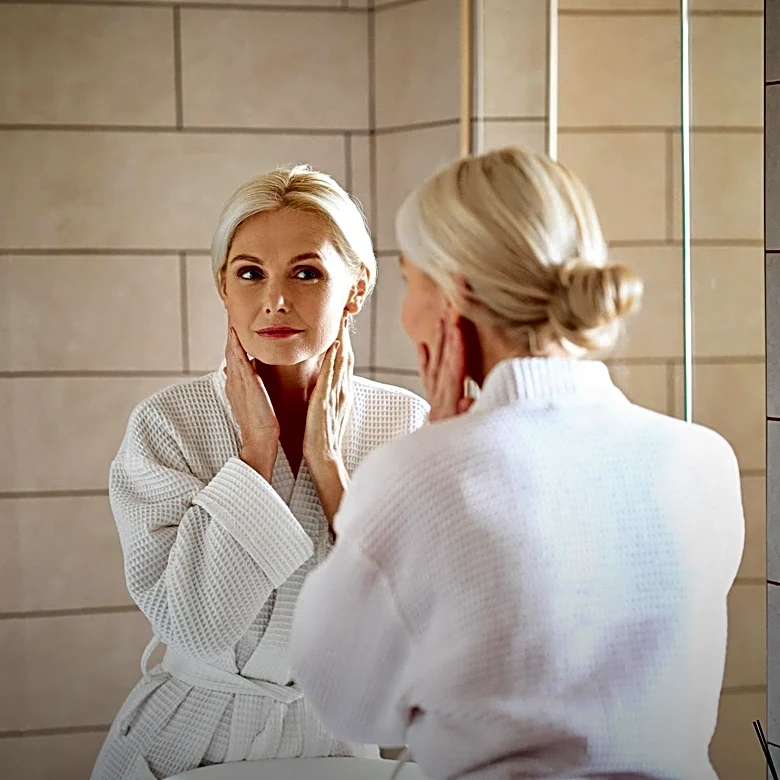
Facial yoga, as promoted by the FaceFlow app, is marketed as a method to naturally lift, tone, and sculpt the face through guided exercises. The app offers personalized routines and various exercise programs, with advanced features available through subscription
plans. However, research indicates that while facial exercises might modestly affect cheek fullness or facial expressions, they do not contract excess skin or guarantee a lift. The app's approach is to provide a structured program that includes assessment and feedback, emphasizing improved movement quality and awareness rather than promising a definitive lift.
Why It's Important?
The significance of this development lies in the growing interest in non-invasive beauty treatments and the skepticism surrounding their effectiveness. As consumers increasingly seek natural alternatives to surgical procedures, the demand for apps like FaceFlow is rising. However, the lack of conclusive evidence supporting the efficacy of facial exercises in tightening skin raises questions about consumer expectations and the potential for misleading claims. This situation highlights the need for further research and transparency in the beauty industry, as well as the importance of setting realistic expectations for users.
What's Next?
Future developments may include more comprehensive studies to evaluate the long-term effects of facial exercises on skin appearance. The beauty industry might also see increased scrutiny from regulatory bodies to ensure that claims made by such apps are substantiated by scientific evidence. Additionally, there could be a push for more personalized and adaptive programs that consider individual differences in facial structure and response to exercises.
Beyond the Headlines
The ethical implications of marketing beauty apps with unproven claims are significant. Consumers may invest time and money into programs that do not deliver the promised results, leading to dissatisfaction and potential financial loss. This scenario underscores the importance of ethical marketing practices and the role of consumer protection agencies in regulating claims made by beauty and wellness products.