





What's Happening?
Gym Track: Workout Log, an application designed for individuals serious about strength training, has been updated to offer enhanced features for logging sets, tracking personal records (PRs), and following structured workout programs. The app aims to provide
a clean and fast interface that minimizes distractions during training sessions. Key functionalities include rapid set logging with prefill from previous sessions, support for various set types like warm-up, working, dropset, and failure sets, and per-side rep tracking for unilateral exercises. It also incorporates a rest timer, plate calculator, and 1RM estimates. Users can choose from 10 pre-built programs, such as Starting Strength and 5/3/1, or create their own multi-week programs with progressive overload and deload weeks. The app also offers progress visualization through exercise progression charts, volume tracking by muscle group, and body weight/body fat percentage trending.
Why It's Important?
The advancements in Gym Track are significant for the U.S. fitness and technology sectors, particularly for the growing segment of serious lifters and strength athletes. By providing a comprehensive and user-friendly platform for tracking workouts, the app can help individuals optimize their training, prevent plateaus, and achieve their strength goals more efficiently. This impacts the broader fitness industry by setting a higher standard for workout tracking applications, potentially driving innovation among competitors. For businesses, the app's ability to offer structured programs and detailed progress tracking can lead to increased user engagement and retention, a critical factor in the competitive app market. Furthermore, the focus on data-driven training can contribute to a more informed and effective approach to physical fitness across the nation, potentially reducing injuries and improving overall public health outcomes related to strength training.
What's Next?
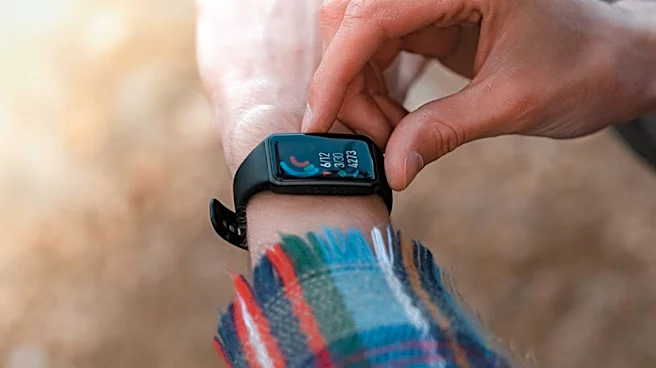
Gym Track is expected to continue its development, with a focus on its 'Pro' upgrade, which offers personalized post-workout breakdowns and weekly summaries based on individual training data. This premium feature aims to provide smarter training insights and program generation tailored to the user's history and goals. The app will likely continue to refine its algorithms for personalized advice and program creation. Competitors in the workout logging and fitness app space will need to respond to these advanced features by developing similar intelligent analytics and personalized coaching tools to remain competitive. Users can anticipate further enhancements in data visualization, program customization, and potentially integration with wearable fitness devices to provide an even more holistic view of their training and recovery. The app's privacy policy and terms of use are also clearly outlined, indicating a commitment to user data management.
Beyond the Headlines
The evolution of workout tracking apps like Gym Track reflects a deeper cultural shift towards data-driven self-improvement and optimization in the U.S. fitness landscape. This trend extends beyond mere logging to sophisticated analysis and personalized guidance, blurring the lines between digital tools and personal coaching. The reliance on algorithms for program generation and performance insights raises questions about the role of human expertise in fitness and the potential for over-reliance on technology. Ethical considerations around data privacy and the potential for algorithmic bias in fitness recommendations are also emerging. Long-term, such apps could democratize access to advanced training methodologies, making personalized strength coaching more accessible to a wider audience. However, it also highlights the importance of critical engagement with technology, ensuring that users understand the limitations and potential pitfalls of relying solely on app-generated advice for their physical well-being.