



What's Happening?
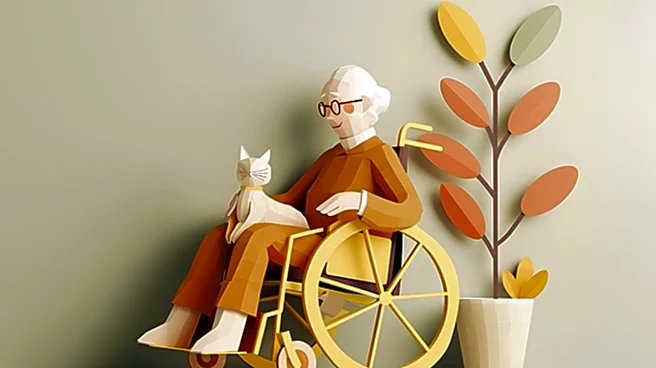
A growing sentiment among some experts suggests that seniors should reconsider the pressure to engage in 'death cleaning' or extensive decluttering for the benefit of their heirs. While some advice encourages older individuals to clear out their homes
to spare their children the task, this new perspective advocates for seniors to keep items that bring them joy, regardless of their perceived utility or future burden on family. The argument posits that if possessions provide innocent pleasure, there is no compelling reason to discard them. This approach challenges the notion that adult children will be unduly burdened by inherited clutter, suggesting that mature individuals are capable of making their own decisions about what to keep or discard. It also highlights the emotional value of possessions, such as old letters, collections, or books, which can evoke happy memories and a sense of personal history.
Why It's Important?
This shift in advice for seniors has significant implications for lifestyle, mental well-being, and family dynamics in the U.S. It challenges a prevalent cultural expectation that older adults must meticulously organize their affairs, including possessions, to ease the burden on their descendants. By prioritizing personal contentment and the emotional value of belongings, it encourages a more compassionate and less guilt-driven approach to aging. This perspective can reduce stress and anxiety for seniors who may feel overwhelmed by the task of decluttering. For families, it redefines the responsibilities of heirs, suggesting that adult children are capable of managing inherited items and that the process can even be a way to connect with their parents' lives and memories. This discussion also touches on broader societal views on consumerism, minimalism, and the emotional attachment to material objects, prompting a reevaluation of what truly constitutes a 'burden' versus a cherished legacy.
What's Next?
This evolving perspective on decluttering for seniors is likely to continue influencing discussions around aging, estate planning, and family relationships. It may lead to more open conversations between seniors and their adult children about expectations regarding inherited possessions. We might see a greater emphasis on the emotional and historical value of items, rather than just their monetary worth or practical utility. This could also encourage the development of services that assist families in respectfully managing estates, rather than solely focusing on disposal. The nuanced approach suggests that while extreme clutter can be problematic, a certain level of 'friendly clutter' that brings happiness should be embraced. Ultimately, this trend could foster a more individualized and less prescriptive approach to end-of-life planning, allowing seniors to live more contentedly with their cherished belongings.
Beyond the Headlines
The debate over 'death cleaning' delves into profound psychological and cultural dimensions of aging and legacy. It highlights the tension between the desire for personal comfort and the perceived obligation to simplify for others. The emotional attachment to possessions often reflects a lifetime of experiences, memories, and identity, making the act of decluttering a deeply personal and sometimes painful process. This discussion also touches upon the concept of 'Swedish Death Cleaning,' a popular trend that encourages systematic decluttering. The counter-argument presented here suggests that while organization can be beneficial, it should not come at the cost of a senior's happiness or sense of self. It implicitly critiques the pressure on older adults to conform to external expectations, advocating for autonomy and self-determination in their later years. This shift could lead to a broader cultural acceptance of diverse approaches to living and dying, where personal well-being and emotional fulfillment are prioritized over rigid organizational ideals.