









What's Happening?
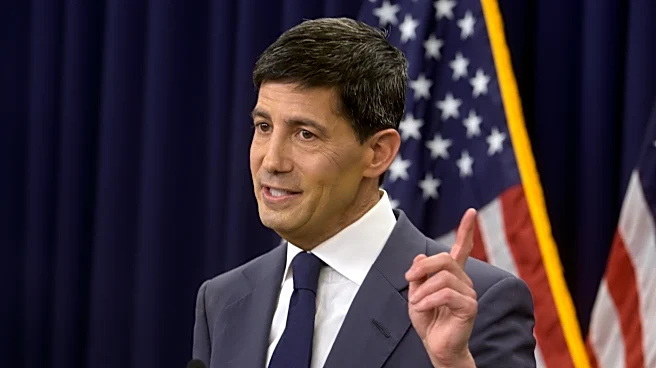
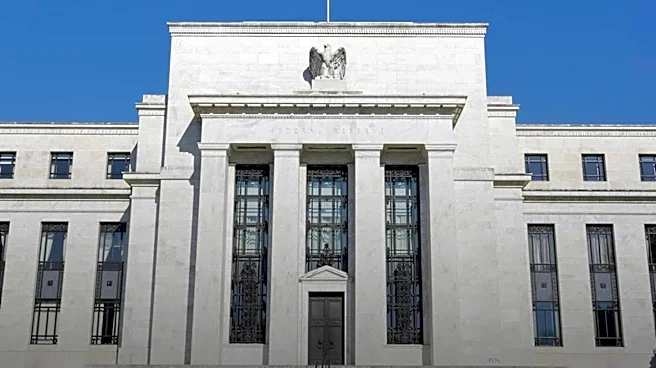
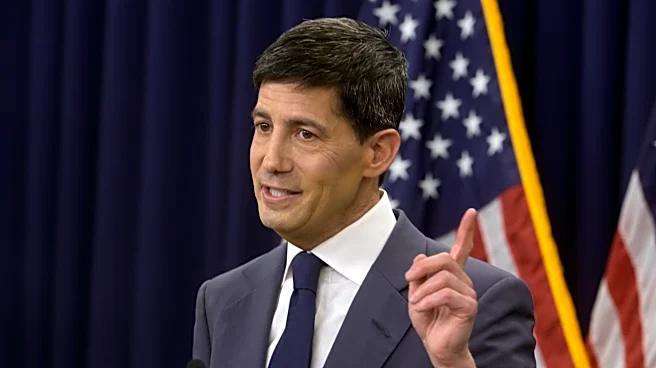
Federal Reserve Governor Christopher Waller has expressed concerns about persistent inflation pressures, particularly in core intermediate goods prices tracked by the Producer Price Index (PPI). Despite a recent decline in energy prices, core inflation remains
a concern, with the PPI showing noticeable increases in recent months. Waller emphasized the need for the Federal Open Market Committee (FOMC) to consider tightening monetary policy if upcoming Consumer Price Index (CPI) and PPI reports indicate continued inflationary pressures. The Fed's target inflation rate is 2%, but recent data shows inflation rates significantly above this target, prompting discussions on potential rate hikes.
Why It's Important?
The potential for a rate hike by the Federal Reserve is significant as it could impact borrowing costs for consumers and businesses, potentially slowing economic growth. Persistent inflation pressures, particularly in core goods, suggest that inflation may not subside without intervention. A rate hike could signal the Fed's commitment to controlling inflation, but it also risks slowing economic recovery. The decision will affect various stakeholders, including businesses, consumers, and financial markets, as they adjust to potential changes in monetary policy.
What's Next?
The FOMC will closely monitor upcoming CPI and PPI reports to determine the necessity of a rate hike. If inflationary pressures persist, a rate hike could be implemented in the near term, possibly at the upcoming July meeting. The Fed will need to balance the risk of overtightening, which could lead to a recession, against the need to control inflation. Stakeholders, including businesses and financial markets, will be watching closely for signals from the Fed regarding its next steps.