





What's Happening?
Carolina Herrera has inaugurated a new flagship boutique in Miami’s Design District, coinciding with the brand's 45th anniversary. This nearly 3,000-square-foot store is the sixth U.S. boutique for the luxury fashion house and opened on a recent Saturday.
The new location offers the complete range of Carolina Herrera products, including ready-to-wear, eveningwear, handbags, accessories, beauty, fragrance, and eyewear. It features the fall 2026 runway collection, which draws inspiration from 'Women in the Arts,' alongside a newly introduced handbag line. Emilie Rubinfeld, president of Carolina Herrera, stated that the opening is a significant milestone for the brand and an exciting business opportunity, highlighting the collaboration with Craig Robins, CEO and president of Dacra, to secure the ideal location. The company anticipates that ready-to-wear, handbags, and beauty products will be the top sellers.
Why It's Important?
The opening of Carolina Herrera's flagship store in the Miami Design District signifies the continued growth and strategic expansion of luxury retail in key U.S. markets. This move reinforces Miami's position as a prominent destination for high-end fashion and design, attracting both domestic and international consumers. For Carolina Herrera, this expansion strengthens its brand presence in the U.S., a crucial market for luxury goods, and allows for a more immersive brand experience for its clientele. The investment in a physical retail space, especially one that integrates art and design, reflects a broader trend in luxury retail to create experiential shopping environments that go beyond mere transactions. This development also contributes to the economic vitality of the Miami Design District, which already hosts numerous other luxury brands, potentially increasing foot traffic and sales for the entire area. The focus on 'Women in the Arts' for the fall collection also aligns with cultural trends, potentially broadening the brand's appeal.
What's Next?
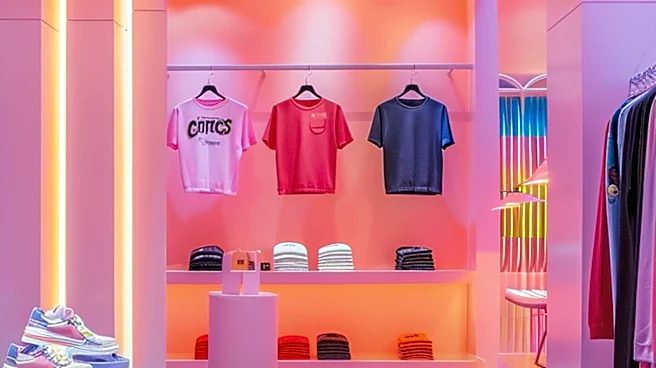
Following the grand opening, Carolina Herrera will likely focus on leveraging its new Miami flagship to enhance brand visibility and drive sales, particularly for its ready-to-wear, handbag, and beauty categories. The boutique's design, which incorporates custom art installations and unique architectural elements, is expected to draw significant attention and create a distinctive shopping experience. The brand may also explore further collaborations with local artists and designers in Miami to maintain its connection to the 'Women in the Arts' theme and the vibrant local culture. Given the brand's previous expansion in South Florida with a Palm Beach location in December 2023, this new flagship could serve as a hub for regional marketing and customer engagement initiatives. The success of this new store will likely influence future retail expansion strategies for Carolina Herrera within the U.S. market, potentially leading to similar experiential retail concepts in other major cities.
Beyond the Headlines
The strategic decision by Carolina Herrera to establish a significant presence in the Miami Design District reflects a deeper understanding of evolving consumer behaviors in the luxury market. In an era dominated by e-commerce, physical flagships are transforming into brand sanctuaries that offer more than just products; they provide an immersive brand narrative and a sensory experience. The integration of art, design, and fashion within the boutique, as envisioned by creative director Wes Gordon and executed with interior designers, elevates the shopping experience to a cultural event. This approach not only fosters brand loyalty but also positions Carolina Herrera as a patron of the arts, aligning with contemporary values that prioritize authenticity and cultural engagement. The choice of Miami, a city known for its vibrant art scene and diverse demographics, further underscores a strategic move to tap into a dynamic and growing luxury consumer base that values unique, curated experiences over traditional retail models. This trend suggests a future where luxury retail spaces are increasingly becoming cultural destinations.